

Explore the rich tapestry of history and tradition that shapes the unique cultural landscape of the United Kingdom.
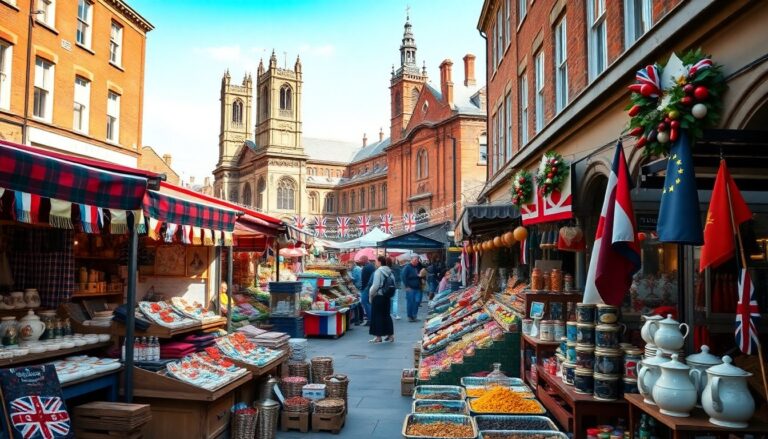
The United Kingdom is a fascinating blend of history and culture, shaped by centuries of tradition, migration, and innovation. Its cultural landscape reflects a variety of influences that have transformed the nation over time. From the ancient Celtic roots found in Wales and Scotland to the impacts of Roman conquests and later waves of immigration, the UK embodies a rich tapestry of blended cultures.
The Historical Influences on UK Culture
To truly grasp the cultural landscape of the UK, it’s essential to explore its historical influences. The Roman Empire significantly impacted the early development of British society. It introduced new governance systems, architectural styles, and even culinary practices.
Evidence of Roman influence is still visible today in the ruins of ancient sites like the Roman Baths in Bath and Hadrian’s Wall.
The Anglo-Saxon Era
After the fall of the Roman Empire, the Anglo-Saxon period marked a time of significant transformation.
This era witnessed the rise of local kingdoms and the emergence of the Old English language, which set the stage for what would evolve into modern English. Anglo-Saxon literature, including timeless epic poems like Beowulf, showcases the values and beliefs of the time, focusing on themes such as heroism, loyalty, and the importance of kinship.
Diversity Through Migration
The cultural identity of the UK has been deeply influenced by migration. Throughout history, the British Isles have welcomed various groups, each adding to the rich cultural tapestry. The Norman Conquest of 1066 brought significant French influences in language and governance. Meanwhile, the Industrial Revolution drew people from Ireland, Europe, and beyond, leading to the creation of vibrant cities filled with diverse communities.
Modern Influences
Okay, but can we talk about how the UK is a true melting pot of cultures? The Windrush Generation and later migrations from the Caribbean, South Asia, and Africa have significantly enriched its cultural landscape. Today, cities like London are not just places to live; they are celebrated for their vibrant multicultural environments, offering a plethora of food, music, and art from around the globe. 🌍
The Arts: A Reflection of Cultural Diversity
The UK boasts a long-standing tradition of artistic expression that beautifully mirrors its diverse cultural heritage. From the timeless works of Shakespeare to contemporary music genres like grime and dubstep, the arts provide a rich canvas for cultural exchange. Who else noticed that various ethnic influences are palpable in British theatre? Productions often delve into themes of identity and belonging, showcasing the dynamic interplay of different cultural narratives.
Exploring British Literature and Poetry
British literature serves as a vibrant tapestry, capturing the nation’s multifaceted identity. Writers such as Chinua Achebe, Zadie Smith, and Salman Rushdie have profoundly shaped this narrative. Their works provide deep insights into the immigrant experience and the complexities of multiculturalism. Often, they explore themes of race, class, and cultural identity, inviting readers to reflect on these critical issues.
What Lies Ahead for UK Culture?
As we gaze into the future, the cultural landscape of the UK is poised for ongoing transformation. The forces of globalization and technology are not just trends; they are catalysts for change. The digital age has unlocked new possibilities for artists and creators, allowing them to connect with global audiences. This dynamic exchange of ideas is blending cultural expressions in exciting and unpredictable ways.
Embracing Diversity: The Future of UK Culture
While challenges persist, particularly regarding representation and inclusion, the resilience of diverse communities indicates a promising future for UK culture. Different traditions can not only coexist but also enrich one another, creating a vibrant cultural tapestry.
As the UK navigates the complexities of the 21st century, its capacity to embrace and celebrate its multicultural identity will be essential. The ongoing conversations surrounding cultural heritage, representation, and inclusivity will significantly impact the narrative of what it means to be British in a rapidly changing world.
