

**Exploring the Evolution of News Feeds: The Impact of Social Media on Journalism** In today's digital age, social media platforms are revolutionizing the way we consume news. This transformation is reshaping the journalism landscape, influencing everything from content creation to audience engagement. Join us as we delve into the significant changes brought about by social media in journalism and explore the implications for journalists, readers, and the industry as a whole. Discover how these advancements are not just altering how we receive information, but also redefining the very essence of news reporting and storytelling in our interconnected world. Stay informed and adapt to the evolving media environment—understanding these trends is crucial for anyone engaged in the world of journalism.
The Evolution of News Consumption
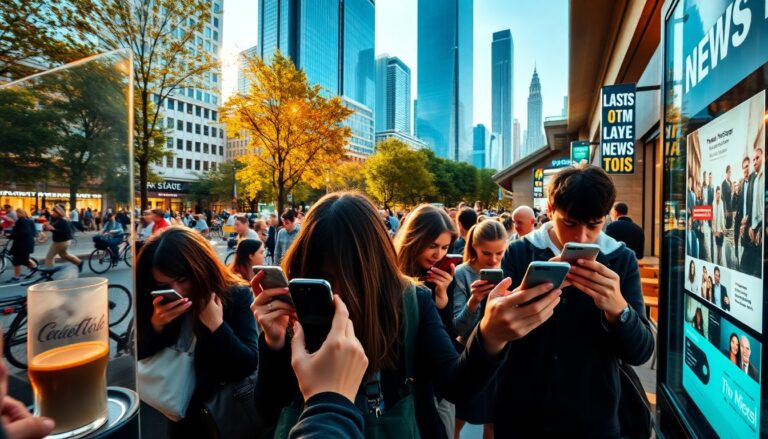
In recent years, the way we consume news has undergone significant transformation. Just a few decades ago, the primary sources of information were newspapers and television broadcasts. Today, however, our smartphones deliver a constant stream of updates, memes, and breaking news.
This shift represents more than a mere trend; it indicates a profound evolution in digital journalism. The change is not only about the platforms we use but also about how we interact with news and information. A critical examination of this evolution reveals its impact on society and public discourse.
As we navigate this landscape, it is essential to consider the implications of these changes. This discourse will explore how digital platforms are reshaping our understanding of news and the responsibilities that come with it.
The Rise of Social Media Journalism
Social media has emerged as a significant force within the journalism sector. Platforms such as Twitter, Instagram, and Facebook have transformed both the distribution and consumption of news. These platforms provide live updates on global events, appealing to the public’s desire for immediate information. However, is this shift entirely beneficial? Your insights on this matter would be valuable.
Journalists are increasingly adapting to this rapid-paced environment. Many now prioritize breaking news on social media, often outpacing traditional outlets. This shift, while efficient, presents unique challenges. With an overwhelming amount of information available, how can we determine what is credible? The distinction between fact and fiction can become blurred in this context, raising concerns among many observers.
Additionally, the role of engagement has grown significantly. Journalists are evolving from mere storytellers to active community builders. It is noteworthy how reporters engage directly with their audiences, often soliciting feedback or posing questions in their posts. This interactive approach reintroduces a human element to journalism, fostering a more connected experience for readers.
Authenticity vs. Sensationalism
Authenticity remains a cornerstone in today’s media landscape. Sensationalism often overshadows crucial facts. While scrolling through social media feeds, many users encounter headlines crafted to provoke emotional reactions rather than convey information. This approach can contribute to misinformation and erode public trust in journalism.
Covering stories with integrity and context is essential for credibility. Readers increasingly seek authenticity, which is vital for building trust. Journalists must maintain a credible voice amidst the overwhelming noise of sensationalism. However, reconciling this integrity with the pressure to achieve viral status presents a significant challenge.
Interestingly, some journalists are now engaging their audiences for story ideas and feedback. This collaborative method not only fosters community but also ensures that the narratives shared resonate with audience interests. This shift represents a refreshing change in the journalistic approach.
The Future of Journalism
What does the future hold for journalism as technology evolves? Innovations like virtual reality and podcasts are reshaping storytelling, offering immersive experiences that traditional journalism cannot match.
It is an exciting time to be a journalist. New tools and platforms allow us to reach audiences in unprecedented ways. However, with this power comes a significant responsibility. Journalists must prioritize the accuracy of their reporting and consider the impact of their words. We are not merely sharing news; we are influencing public perception.
The evolution of journalism from print to social media reflects our ever-changing world. As we navigate these changes, we must uphold the core values of our profession: authenticity, integrity, and community engagement. What are your thoughts? How has social media changed your view of news? Join the conversation in the comments!
