

Explore the captivating evolution of sports through centuries of transformation.
The Evolution of Sports: A Journey Through Time
Sports have always been a vital aspect of human civilization, mirroring our culture, values, and social structures. From ancient competitions to today’s high-tech athletic events, the evolution of sport showcases our relentless pursuit of competition and excellence.
This article explores the historical trajectory of sports, spotlighting key developments and their societal impacts.
The Origins of Sports
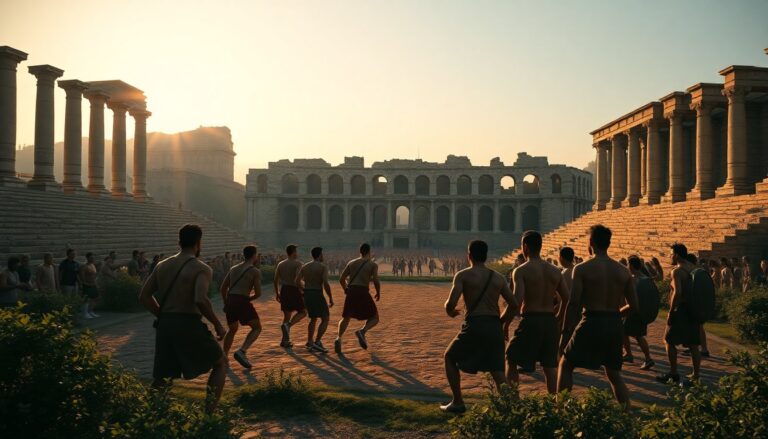
The origins of sports can be traced back to ancient civilizations. The Olympic Games, held in ancient Greece as early as 776 BC, stand out as a significant example.
These games were more than just athletic contests; they held profound cultural meaning, honoring the Greek god Zeus and demonstrating the athletic prowess of competitors from various city-states. The Olympics laid the groundwork for modern sports by promoting values such as fair play, competition, and unity.
Ancient Sports and Their Influence
Different ancient cultures developed distinct forms of competition. The Romans popularized gladiatorial contests, which, despite their brutality, captivated audiences and became a cornerstone of entertainment. Meanwhile, Mesoamerican cultures created games like Ullamaliztli, blending sport with ritualistic elements. These early sports not only entertained but also fostered social cohesion and identity.
The Impact of the Industrial Revolution on Sport
The Industrial Revolution in the 18th and 19th centuries brought transformative changes to society, including the rise of organized sports. As people flocked to urban areas for work, there was a growing demand for recreational activities. This era saw the formal structuring of sports, leading to the formation of clubs and associations. The establishment of standardized rules for games like football and cricket enabled fair competition and increased participation.
Professionalism and Commercialization
The late 19th and early 20th centuries ushered in the era of professional sports. Athletes began earning a living from their skills, resulting in heightened competition and the emergence of sports as a legitimate career. The formation of leagues, such as the National Football League (NFL) in the United States, transformed sports into a lucrative industry. This commercialization also highlighted the importance of media coverage, which further popularized events and athletes.
The Globalization of Sports
In the latter half of the 20th century, sports became a global phenomenon. The advent of television allowed viewers to watch sporting events worldwide, connecting diverse cultures through shared interests. Major events like the FIFA World Cup and the Olympics showcased elite athletes on a global stage, fostering international camaraderie and competition. This globalization also boosted sponsorship and advertising, intertwining sports with commerce.
The Role of Technology in Modern Sports
Today, technology significantly influences sports. From performance analytics that assist athletes in optimizing their training to innovations in equipment that enhance safety and performance, technology has revolutionized both the playing and viewing of sports. Furthermore, the rise of social media has transformed fan engagement, creating a more interactive experience.
Looking ahead, the evolution of sport continues. Issues like sustainability, inclusivity, and mental health are increasingly vital in discussions surrounding sports. The future will likely require a balance between tradition and innovation, ensuring that sports remain an essential part of our global culture.
