

**Recent Airspace Violation by Russian Jets: Estonia's Diplomatic Response Amid Rising Military Tensions in Europe** In a significant development, recent incursions by Russian jets into Estonian airspace have compelled the Estonian government to initiate diplomatic actions. This incident underscores the intensifying military tensions across Europe and raises concerns regarding regional security. The Estonian authorities are actively engaging in discussions with international partners to address these violations and reinforce collective defense measures.
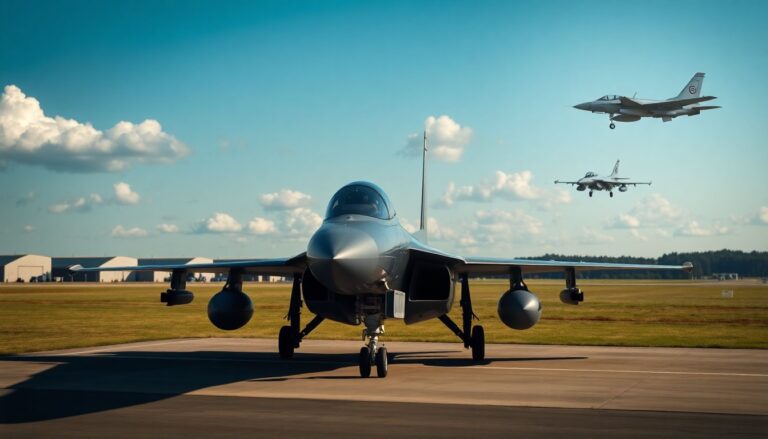
In a significant diplomatic incident, Estonia summoned a Russian diplomat following an unauthorized incursion by three Russian fighter jets into its airspace. The incident occurred on a recent Friday, with the aircraft reportedly remaining within Estonian territory for 12 minutes, according to the country’s foreign ministry.
This event comes amid heightened military activities in the region, particularly following NATO’s recent interception of Russian drones over Poland. The ongoing situation in Ukraine has raised concerns about the potential for conflict to spill beyond its current borders.
Details of the Airspace Violation
Estonian Foreign Minister Margus Tsakhna stated that this is not the first instance of Russian encroachment upon Estonian airspace this year. Tsakhna noted a total of four such violations, characterizing the latest incident as “unprecedentedly brazen.”
The Russian military aircraft involved were identified as MIG-31 fighters, which entered Estonian airspace near Vaindloo Island in the Gulf of Finland.
The Estonian military reported that the jets violated standard aviation protocols, lacking flight plans, having their transponders switched off, and failing to communicate with Estonian air traffic control.
NATO’s Response
In response to the breach, Italian Air Force F-35 jets, part of the NATO Baltic Air Policing Mission, were deployed to monitor the situation. The Estonian military confirmed that the Russian jets flew parallel to the border from east to west, notably avoiding a direct approach to the Estonian capital, Tallinn.
Regional Tensions and Implications
The military maneuvers and airspace violations have prompted European nations to remain vigilant, especially after Russia’s recent infringement of Polish airspace. This marks a significant escalation in aggression toward NATO member states since the onset of the conflict in Ukraine, which began with Russia’s full-scale invasion in February 2022.
Other NATO allies have reported similar incidents and drone crashes on their territories, contributing to a climate of unease among European governments. As diplomatic efforts led by the United States to de-escalate the situation have yielded limited results, the pressure on nations like Estonia remains palpable.
Calls for Action
Foreign Minister Tsakhna emphasized the need for a robust response to Russia’s ongoing provocations, asserting that “Russia’s increasingly extensive testing of boundaries and growing aggressiveness must be met with a swift increase in political and economic pressure.” This sentiment resonates throughout the Baltic states, which are acutely aware of their vulnerability to potential aggression.
Following the diplomatic breach, the Russian chargé d’affaires was summoned to receive an official protest note from Estonia’s foreign ministry, underscoring the seriousness with which Estonia regards the matter. The European Union’s foreign policy chief, Kaja Kallas, described the airspace violation as “an extremely dangerous provocation” that heightens regional tensions.
Geopolitical Context
Estonia, along with its Baltic neighbors Lithuania and Latvia, remains on heightened alert due to their geographical proximity to Russia. These countries are considered likely targets should Russia decide to escalate its military ambitions further. Poland, while larger in size, shares similar concerns, particularly given its steadfast support for Ukraine.
This event comes amid heightened military activities in the region, particularly following NATO’s recent interception of Russian drones over Poland. The ongoing situation in Ukraine has raised concerns about the potential for conflict to spill beyond its current borders.0
