

Explore the rich layers of the United Kingdom's cultural heritage and its vital role in shaping national identity.
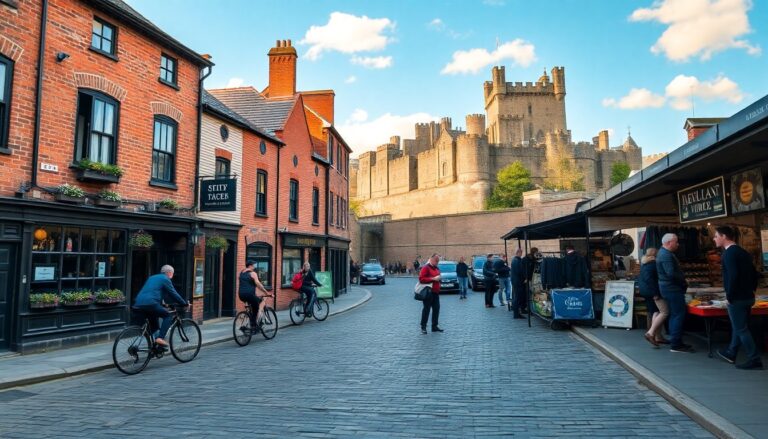
Exploring the Cultural Tapestry of the United Kingdom
The United Kingdom is a vibrant tapestry of cultural heritage that has evolved over centuries. But what makes its culture so unique? 🌍
From ancient Celtic traditions to the influences of modern globalization, the UK offers a fascinating glimpse into how culture can be both preserved and transformed.
This rich history is not just a collection of artifacts; it’s alive and constantly changing, reflecting the dynamic nature of society.
As we dive deeper into this cultural landscape, we can see how various traditions and artistic expressions shape daily life.
Who else finds it intriguing how the past and present intertwine in such a diverse way? 💬
A Tapestry of Traditions
The cultural identity of the UK is woven from a tapestry of traditions that varies significantly from region to region.
Each country within the UK—England, Scotland, Wales, and Northern Ireland—has its own unique heritage and cultural practices. For example, who doesn’t love the traditional Scottish music, with its iconic bagpipes? This haunting sound has become a symbol of Scottish identity. Meanwhile, the Welsh take great pride in their eisteddfodau, vibrant festivals that celebrate literature and music. Isn’t it fascinating how these traditions shape the identities of each nation? 💬
Festivals and Celebrations
Festivals are essential for preserving and showcasing the cultural heritage of the UK. For instance, the Notting Hill Carnival in London is a vibrant celebration of Caribbean culture that strengthens community bonds. Similarly, the Edinburgh Festival Fringe is famous worldwide for its diverse theatrical performances, drawing artists and audiences from across the globe. These celebrations not only reflect the UK’s rich cultural diversity but also promote social cohesion and a sense of national pride.
Art and Literature: A Reflection of Society
The contributions of the UK to art and literature are truly remarkable. Iconic figures like William Shakespeare and Charles Dickens, along with contemporary artists such as Banksy, have significantly shaped the cultural landscape. Shakespeare’s works are not merely literary masterpieces; they delve into the complexities of human existence and the societal norms of his time.
Today, modern literature and art continue to mirror the dynamic changes within the UK. They tackle pressing themes such as identity, migration, and social justice. This ongoing dialogue between art, literature, and society raises important questions about our collective experiences and challenges. How do these creative expressions influence our understanding of contemporary issues? And who else is inspired to engage with these vital conversations?
The Role of Museums and Galleries
Museums and galleries across the UK are more than just buildings; they are vital repositories of the nation’s cultural heritage. Institutions like the British Museum and the Tate Modern do much more than display historical artifacts and contemporary art. They engage in educational initiatives that foster cultural understanding and appreciation.
Through dynamic exhibitions and outreach programs, these institutions play a crucial role in making culture accessible to everyone. They ensure that the rich history of the UK is preserved and shared with future generations. So, whether you’re an art enthusiast or just curious, there’s something for everyone to discover and learn in these cultural hubs.
Modern Influences and Global Connections
In the 21st century, the UK’s cultural heritage has been profoundly enriched by global influences. The growing interconnectedness of our world has led to a dynamic fusion of cultures, with the UK emerging as a melting pot for diverse traditions and practices. This blending is particularly evident in the culinary scene, where traditional British dishes are now infused with flavors from around the globe, creating a vibrant and diverse gastronomic landscape.
Immigration and Cultural Exchange
Immigration has played a crucial role in shaping the UK’s cultural fabric. New communities introduce their unique customs and practices, contributing to the collective identity of the nation. For instance, the impact of South Asian culture can be seen in British cuisine, music, and festivals. This cultural exchange not only enhances the variety of experiences available within the UK, but also fosters mutual understanding and respect among different communities.
As the UK navigates the complexities of modern society, its cultural heritage plays a crucial role in shaping national identity. The blend of tradition and modernity, along with local and global influences, creates a vibrant cultural landscape that reflects the past while responding to contemporary challenges.
Conclusion
In summary, the cultural heritage of the UK resembles a vibrant mosaic, intricately woven from history, tradition, and modern influences. This rich tapestry allows the nation to carve out its unique identity, evolving continuously while staying connected to its roots. Understanding and appreciating this cultural heritage is vital, not only for UK citizens but also for anyone seeking to understand a society that thrives on diversity and creativity.
