

**Summary:** Explore the impact of diverse incidents on public safety and community resilience, analyzing their effects and fostering proactive strategies for enhanced preparedness and response.
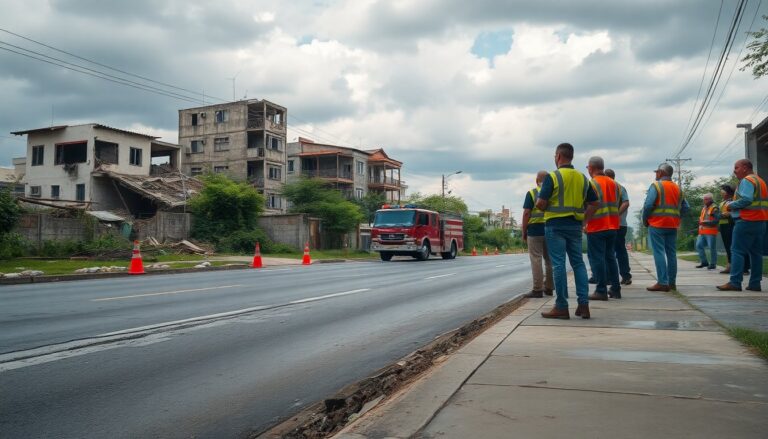
Incidents, whether they are natural disasters, accidents, or intentional acts, have a profound impact on public safety. Understanding these events is crucial for developing effective response strategies and prevention measures. This article explores the various types of incidents, their effects on communities, and the necessary steps to enhance safety.
Types of Incidents
Incidents can be broadly categorized into three main types: natural, technological, and human-caused. Each category presents unique challenges and risks to public safety.
Natural Incidents
Natural incidents include events such as earthquakes, floods, and hurricanes. These occurrences can cause significant damage, loss of life, and long-lasting effects on infrastructure.
For instance, a hurricane can destroy homes and disrupt essential services, leading to a prolonged recovery process. Communities must be prepared with early warning systems and evacuation plans to mitigate these risks.
Technological Incidents
Technological incidents involve failures or accidents related to technology, such as chemical spills, nuclear plant failures, or cybersecurity breaches.
These incidents pose serious risks to public health and safety. For example, a chemical spill can contaminate water supplies, resulting in immediate health hazards and long-term environmental damage. It is imperative for communities to invest in safety regulations and conduct regular inspections to prevent such occurrences.
Human-Caused Incidents
Human-caused incidents encompass a wide range of activities, including terrorism, violence, and accidents stemming from negligence. These incidents can lead to a breakdown of trust within communities and heightened fear among residents. A notable example is a terrorist attack, which not only causes immediate devastation but also alters community dynamics and safety protocols.
Community Resilience
Building community resilience is essential for mitigating the effects of incidents. This involves fostering a culture of preparedness and response among residents. Training programs, community drills, and public awareness campaigns empower individuals to act effectively during an incident. Additionally, collaboration with local authorities and emergency services can enhance overall safety.
Policy and Regulation
Effective policies and regulations play a pivotal role in incident management. Governments must implement robust emergency response plans that outline clear roles and responsibilities. Regular reviews and updates of these plans ensure they remain relevant and effective. Furthermore, investing in infrastructure improvements can minimize the impact of incidents on public safety. For example, upgrading stormwater management systems can reduce flooding risks during heavy rainfall.
The Role of Technology in Incident Management
Advancements in technology have revolutionized how incidents are managed and responded to. Tools such as geographic information systems (GIS) and real-time data analysis provide critical insights during an incident. These technologies facilitate quicker decision-making and more efficient resource allocation. For example, during a natural disaster, GIS can help identify the most affected areas, guiding emergency responders to prioritize their efforts.
Public Communication
Effective communication is vital during any incident. Utilizing social media and mobile alerts allows for the rapid dissemination of information to the public. Clear communication helps reduce panic and ensures that residents are informed about safety measures and evacuation routes. Establishing a reliable communication plan is essential for any community to enhance its preparedness and response capabilities.
Future Considerations
As communities evolve, so do the types of incidents they may face. Climate change, for example, is increasing the frequency of extreme weather events. Communities must adapt their safety strategies to address these changing risks. Engaging with experts and incorporating community feedback into safety plans can foster a more resilient society.
Incidents can be broadly categorized into three main types: natural, technological, and human-caused. Each category presents unique challenges and risks to public safety.0
