

**Explore Transformative Trends Shaping Modern Sports Culture** Discover the groundbreaking trends that are revolutionizing modern sports culture. From advancements in technology to shifts in fan engagement, this exploration highlights how these changes are influencing the way we experience and participate in sports today. Stay informed about the latest developments that are redefining athleticism, community interaction, and the overall sports landscape.
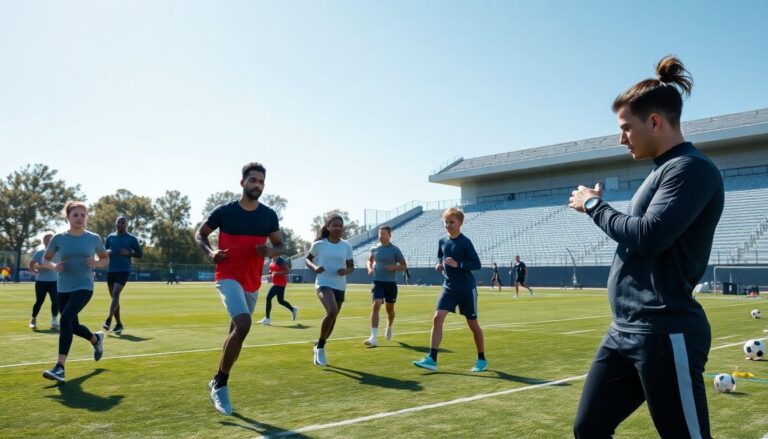
The world of sport has undergone significant changes over the past few decades, driven by factors such as technology, globalization, and shifting societal values. As we explore this complex landscape, we will uncover how these elements are reshaping the sports industry, influencing everything from athlete training methods to fan engagement.
This article will delve into key trends defining modern sports, including the role of technology, the impact of social media, and the growing importance of community within athletic culture.
Technology’s Transformative Role in Sports
One of the most notable influences on the world of sport is the rapid advancement of technology.
Innovations like wearable devices and data analytics are revolutionizing how athletes train and compete. For instance, wearable technology, such as heart rate monitors and GPS tracking devices, allows athletes to gather real-time data on their performance. This data can be analyzed to improve training regimens and prevent injuries.
Moreover, the integration of artificial intelligence in sports analytics provides teams with deeper insights into player performance and game strategy. Coaches can now leverage data to make informed decisions regarding player substitutions, training focus, and game tactics. This ability to harness detailed information has sharpened the competitive edge more than ever.
Fan Engagement Through Technology
Technology is also transforming how fans engage with their favorite sports. Social media platforms have become essential tools for teams and athletes to connect with audiences. Whether through live updates, behind-the-scenes content, or fan polls, the digital landscape fosters a sense of community and involvement among fans.
Additionally, streaming services have altered the way we consume sports. Fans no longer have to rely solely on traditional broadcasting; they can now watch games live or on-demand from anywhere in the world. This shift not only increases accessibility to sports but also broadens the fan base, allowing people from diverse locations to follow their favorite teams.
The Impact of Globalization on Sports Culture
Another significant factor reshaping the sports landscape is globalization. Sporting events like the FIFA World Cup and the Olympics have transcended national boundaries, bringing together diverse cultures and fostering a sense of global unity. This phenomenon has led to a heightened interest in international sports, as fans are increasingly exposed to different athletic traditions and styles.
Moreover, the rise of professional leagues worldwide has created opportunities for athletes from various countries to showcase their talents on an international stage. For example, the NBA has successfully attracted players from Europe, Africa, and Asia, enriching the league’s diversity and competitiveness. This infusion of talent not only enhances the quality of the games but also inspires young athletes globally.
Challenges and Critiques of Globalization
However, the globalization of sports is not without its challenges. Concerns about cultural appropriation and the commercialization of sports traditions have emerged. As leagues and teams seek to maximize profits, there is a risk of losing the essence of what makes certain sports unique. Additionally, disparities in financial resources between teams from wealthier nations and those from developing regions can lead to unequal competition.
The Resurgence of Community in Sports
In recent years, there has been a noticeable shift towards emphasizing community within the realm of sports. Local teams are gaining traction as fans seek to support organizations that represent their communities. This trend is evident in the rise of grassroots sports initiatives that prioritize inclusivity and accessibility for all individuals, regardless of their background or ability.
This article will delve into key trends defining modern sports, including the role of technology, the impact of social media, and the growing importance of community within athletic culture.0
Building Inclusive Sports Environments
This article will delve into key trends defining modern sports, including the role of technology, the impact of social media, and the growing importance of community within athletic culture.1
This article will delve into key trends defining modern sports, including the role of technology, the impact of social media, and the growing importance of community within athletic culture.2
