

**Analyzing the Impact of Recent Incidents on Societal Norms and Policy Development** Explore the ways in which contemporary events influence and reshape societal expectations and governmental policies. Engage in a comprehensive examination of the dynamic relationship between current incidents and their implications for social standards and legislative changes.
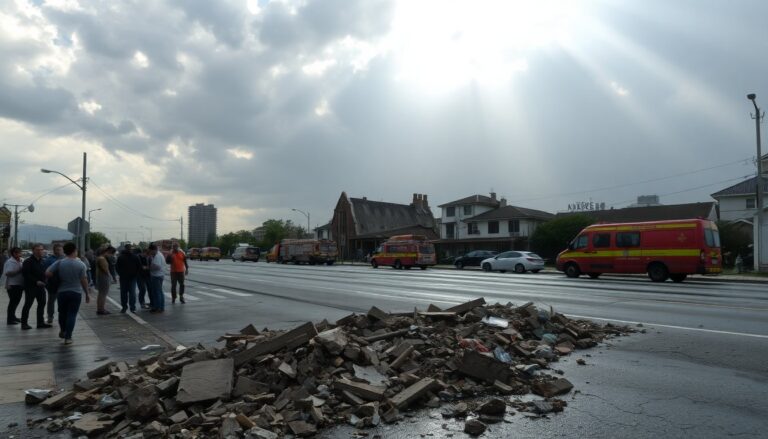
Understanding the Impact of Recent Incidents
In today’s rapidly changing world, incidents—be they accidents, natural disasters, or social upheavals—significantly influence public perception and policy. But why should we care? Understanding the implications of these events is crucial for both individuals and communities.
This article explores recent incidents that have caught our attention and the ripple effects they have created.
The Nature of Incidents and Their Immediate Impact
Incidents can vary widely in scale and nature, yet they often share common threads in their impact on society.
For instance, recent environmental disasters have not only caused immediate physical damage but also long-term psychological effects on affected communities.
Often, the aftermath of an incident fosters a heightened awareness of specific issues, sparking public discourse and frequently leading to policy changes.
A prime example is the wildfires that devastated parts of the country last year, which underscored the urgent need for improved fire management strategies and increased funding for prevention and recovery efforts.
Case Study: The Impact of Natural Disasters
Natural disasters serve as powerful reminders of how sudden events can reshape societal norms. For instance, after a devastating hurricane hit the coast, local governments were forced to reevaluate their emergency response protocols. This reassessment led to the development of more efficient evacuation plans and improved coordination with federal agencies.
In the aftermath of such incidents, affected communities often unite. Volunteerism typically sees a significant increase as individuals come together to assist their neighbors in rebuilding their lives. This collective effort fosters a stronger sense of community identity, even amid devastation. As residents share resources and support one another, the community evolves, often emerging more resilient and better prepared for future challenges.
The Impact of Social Incidents
Social incidents, including protests and acts of violence, can lead to significant changes in society. These events often act as catalysts for movements that challenge established norms and call for action. With the rise of social media, the visibility of these incidents has increased, allowing information to spread rapidly.
Take, for example, the recent protests against police violence. These demonstrations have sparked crucial conversations about systemic racism and the urgent need for police reform. What began as local outcries have drawn national and international media attention, creating increased scrutiny and pressure on lawmakers to address these pressing issues.
The Role of Media in Shaping Perceptions
The media significantly influences how the public perceives and understands events. The way an incident is framed can shape public sentiment and policy responses. For instance, if a media outlet highlights the heroic actions of first responders after a disaster, it may cultivate feelings of gratitude and support for local services. On the other hand, if the focus shifts to the shortcomings of leadership, it can incite unrest and demands for accountability.
Moreover, the rise of digital media has transformed the landscape of information dissemination. Social media platforms enable the rapid sharing of incidents, often resulting in widespread public reactions before traditional media can respond. This evolution in information spread carries significant implications for how swiftly authorities must address various situations.
Long-Term Effects and Policy Changes
Okay, but can we talk about the long-term impacts of significant incidents? 💬 These events can truly reshape laws and regulations. For instance, after major incidents, governments often feel the pressure to introduce new legislation aimed at preventing similar occurrences in the future. This might involve implementing stricter environmental regulations in the wake of natural disasters or reforming practices to reduce police violence.
The effects of these changes can be profound. They can lead to a noticeable shift in how communities function and how they engage with governing bodies. Who else thinks that the aftermath of such incidents serves as a wake-up call? It often sparks necessary conversations about issues that have been overlooked for too long.
In summary, grasping the implications of various incidents is crucial for building resilient communities. By examining both the immediate and long-term impacts of recent events, we can better equip ourselves for future challenges. This approach helps us strive toward a more equitable and sustainable society. History teaches us that every incident holds the potential for significant change. How can we leverage these lessons for a better future? 💬
