

**Electric Vehicle Revolution: Transforming Transportation** Electric vehicles (EVs) represent more than just a passing trend; they signify a transformative shift in our approach to transportation. Here’s why understanding and embracing this revolution is essential: 1. **Environmental Impact**: EVs significantly reduce carbon emissions compared to traditional gasoline vehicles. By making the switch to electric, you contribute to a cleaner, healthier planet. 2. **Cost Efficiency**: Electric vehicles offer lower operating costs. With fewer moving parts and reduced maintenance needs, EVs can save you money over time. 3. **Technological Advancements**: The electric vehicle market is at the forefront of innovation, featuring cutting-edge technology such as autonomous driving, advanced battery systems, and smart connectivity. 4. **Government Incentives**: Many regions offer tax credits and incentives for EV purchases, making it more financially viable for consumers to transition to electric. 5. **Future-Proofing Transportation**: As countries aim for carbon neutrality, investing in electric vehicles aligns with global sustainability goals and prepares you for the future of transportation. Understanding the electric vehicle revolution is not just about keeping up with trends; it’s about making informed choices that benefit both you and the environment. Embrace the change and be part of the solution!
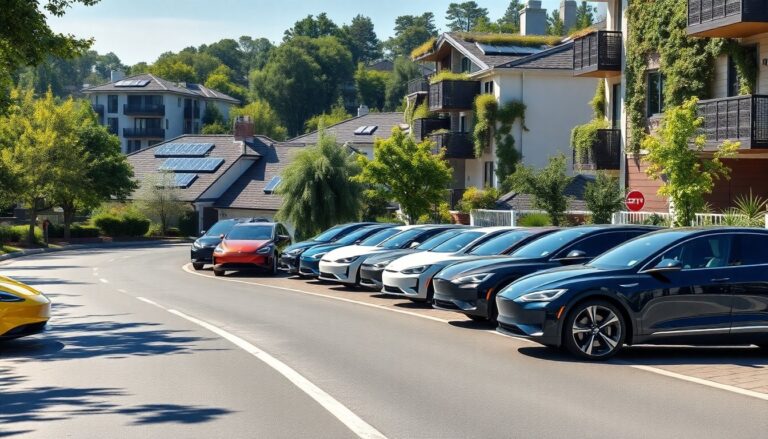
The Rise of Electric Vehicles: A Transformative Shift in the Automotive Industry
The automotive industry is undergoing a significant transformation with the increasing prevalence of electric vehicles (EVs). This shift is not merely a trend; it represents a fundamental change in how we approach transportation.
With rising environmental concerns and advances in technology, the presence of EVs on our roads is expanding rapidly.
As consumers become more aware of the implications of traditional fuel sources, they are gravitating towards electric alternatives. This transition raises important questions about economic impacts, infrastructure changes, and environmental benefits.
In this article, we will explore the multifaceted effects of electric vehicles on our daily lives, our finances, and the health of our planet.
What’s Driving the Shift Towards Electric Vehicles?
Electric vehicles (EVs) are garnering significant attention for several compelling reasons.
Their rise parallels the early days of smartphones, when skepticism surrounded their convenience and practicality. EVs are notably quieter, produce zero tailpipe emissions, and can be more cost-effective than traditional gasoline-powered vehicles. Imagine a future where refueling at gas stations is a thing of the past.
Additionally, governments across the globe are advocating for greener transportation solutions. Incentives such as tax breaks and the establishment of free charging stations are increasingly common. This movement is not only about enhancing personal convenience; it also aims to address climate change and minimize overall carbon emissions. Is this shift towards sustainability a crucial step forward?
The Infrastructure Boom: Expanding EV Charging Stations
The growth of electric vehicle (EV) infrastructure is a significant development in urban planning and transportation. A primary concern among potential EV users is the accessibility of charging stations. Recent trends suggest that finding these stations is becoming increasingly straightforward. Cities are actively enhancing their infrastructure by installing more charging points, while private companies are also contributing to this expansion. Have you noticed the recent increase in charging stations at your local shopping centers?
However, it is important to recognize that not all charging stations offer the same capabilities. Fast chargers can replenish your vehicle’s battery in under an hour, whereas standard chargers may require several hours for a full charge. Therefore, if you are planning a road trip, it is essential to strategize your charging stops effectively. Consider the inconvenience of your phone’s battery dying at 5%—you wouldn’t want to experience a similar situation with your EV.
Challenges Ahead: Range Anxiety and Costs
While electric vehicles (EVs) offer numerous benefits, they also face significant challenges. One of the primary concerns is range anxiety, the fear that a vehicle will run out of battery before reaching its destination. Although many new EV models can travel between 200 to 400 miles on a single charge, this assurance does not always alleviate the worries of potential users. The sensation of dread that accompanies an empty gas gauge is now mirrored in the anxiety surrounding battery levels.
Additionally, the initial costs of EVs remain a barrier for many consumers. Despite a decline in prices, purchasing an electric vehicle can still represent a substantial financial commitment. However, when considering savings on fuel, reduced maintenance expenses, and available government incentives, the long-term financial benefits become apparent. Industry professionals emphasize that the transition to electric vehicles is not merely a passing trend; it is rapidly evolving into a necessity for sustainable transportation.
Final Thoughts: Preparing for the Electric Revolution
As the automotive industry undergoes significant transformation, the question remains: Are you ready to embrace the electric revolution? This period marks an exciting evolution for car enthusiasts and casual observers alike. Whether you are considering purchasing an electric vehicle (EV) or are simply intrigued by the developments, there is much to discover.
We invite you to share your insights in the comments section below. What excites you about electric vehicles, and what concerns do you have? Engaging in this dialogue can help clarify the path forward. Additionally, consider sharing this article with friends who may be contemplating a transition to electric vehicles.
