

Recent dismissal of espionage charges against two individuals has sparked intense discussions regarding security vulnerabilities within the UK Parliament.
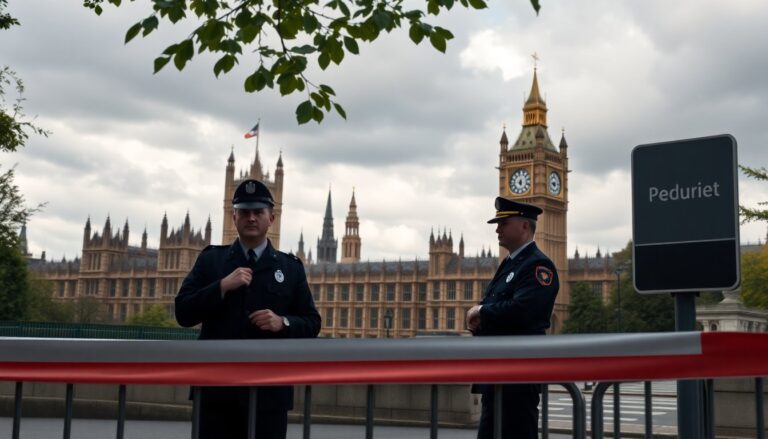
UPDATE AT 12:00 PM – The UK Parliament is under intensified scrutiny regarding its security measures after the recent decision to drop espionage charges against two suspects. This ruling has raised concerns about potential foreign influence within a key governmental institution.
The Speaker of the House of Commons, Sir Lindsay Hoyle, has voiced serious concerns, stating that this decision effectively permits foreign entities to operate without restrictions.
The two individuals, Christopher Cash, 30, from Whitechapel, and Christopher Berry, 33, from Witney, were initially charged under the Official Secrets Act.
Allegations indicated that they targeted the China Research Group, a parliamentary faction focused on issues pertaining to China. However, with the dismissal of the charges, questions emerge about the adequacy of parliamentary defenses against espionage.
Speaker’s Alarm Over Foreign Influence
Sir Lindsay Hoyle expressed his discontent in an interview with The Times, emphasizing the seriousness of the situation. He stated, “As Speaker, I take the security of this house incredibly seriously. I believe this leaves the door open to foreign actors trying to spy on the House.” His remarks reflect a growing concern regarding the implications of allowing potential spies to operate freely.
Calls for Enhanced Security Measures
In light of these developments, Sir Lindsay has urged officials to explore various avenues to strengthen security protocols within the Commons. He stressed the importance of ensuring that all members and staff can perform their duties without the threat of external interference. “This door must be closed hard. We must pursue all avenues to ensure the protection of members and people that work within the House of Commons,” he insisted.
The dismissal of the charges has not only drawn criticism from the Speaker but has also caused discontent across the political spectrum. Numerous MPs have expressed their frustration regarding the decision and its possible ramifications for national security.
Prosecutor’s Explanation for Dismissal
The Director of Public Prosecutions, Stephen Parkinson, confirmed that the decision to drop the charges resulted from an evidential failure. He noted that ongoing reviews of the case revealed that the evidence no longer met the necessary threshold for prosecution. This situation raises concerns over the quality and reliability of the evidence gathered during the investigation.
Parkinson clarified that the prosecution had initially believed there was adequate evidence to move forward with the case. However, as the evidence evolved, it became clear that a conviction was no longer possible. “It is important to reiterate that at the time the charging decision was made, it concluded, correctly in my view, that there was sufficient evidence to prosecute,” he explained in a statement.
Implications for Future Espionage Cases
This incident underscores the difficulties faced by the legal system in national security cases. Determining whether a foreign entity qualifies as an enemy under the Official Secrets Act is notably complex. Recent amendments to the National Security Act 2023 have expanded the framework for addressing espionage but have not alleviated concerns regarding the existing legal structure.
As the UK Parliament confronts these security issues, it is clear that more robust measures may be needed to protect against foreign interference. The implications of this case extend beyond the immediate parties involved, raising critical questions about the integrity of parliamentary operations and the safeguarding of national interests.
Labour Party Developments Amidst Security Concerns
In addition to the parliamentary security crisis, the Labour Party is navigating its own internal dynamics. As Bridget Phillipson and Lucy Powell prepare to contest for the deputy leadership position, their campaigns highlight a desire for unity and reform within the party. Both candidates have gained traction and secured the necessary endorsements from trade unions and constituency Labour parties, paving the way for their inclusion on the ballot.
The two individuals, Christopher Cash, 30, from Whitechapel, and Christopher Berry, 33, from Witney, were initially charged under the Official Secrets Act. Allegations indicated that they targeted the China Research Group, a parliamentary faction focused on issues pertaining to China. However, with the dismissal of the charges, questions emerge about the adequacy of parliamentary defenses against espionage.0
