

Analyze the intricacies of incidents and their extensive impacts on various stakeholders.
Understanding Incidents in Our World
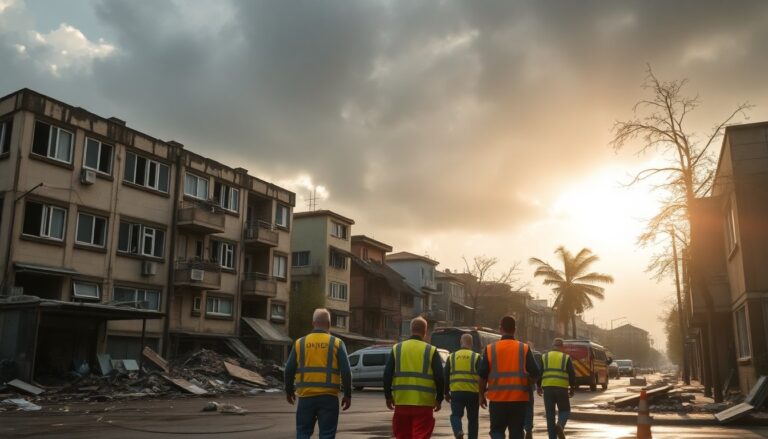
In today’s fast-paced world, incidents—including accidents, natural disasters, and social upheavals—significantly shape our societies. Grasping the nature of these incidents, their causes, and impacts is essential for effective response and prevention strategies. This article explores various types of incidents, their underlying causes, and how communities and organizations respond to these challenges.
Incidents can be categorized into several types, such as man-made disasters like industrial accidents and natural disasters like earthquakes and floods. Each type presents unique challenges and requires tailored management and recovery approaches.
The Causes of Incidents
Understanding the root causes of incidents is crucial for developing prevention strategies.
Incidents often stem from a combination of factors, including human error, environmental conditions, and systemic failures. For example, a road traffic accident may occur due to a driver’s distraction, adverse weather, or poorly maintained road infrastructure.
Human Factors
Human factors are often central to many incidents.
Human error, such as misjudgment or negligence, can lead to catastrophic consequences. In workplaces, inadequate training or lack of safety protocols can significantly increase the likelihood of accidents. For instance, a construction site incident may arise from insufficient worker training, resulting in unsafe practices that endanger lives.
Environmental Factors
Environmental conditions also significantly influence the occurrence of incidents. Natural disasters like hurricanes, floods, and wildfires can devastate communities, often worsened by climate change. Understanding these environmental triggers is vital for developing effective disaster preparedness and response plans. For instance, cities in flood-prone areas must implement robust flood management systems to mitigate the effects of heavy rainfall.
Impacts of Incidents
The impacts of incidents can be profound, affecting individuals, communities, and economies. The immediate aftermath often includes loss of life, injuries, and property damage. However, the long-term consequences can be equally devastating, leading to psychological trauma, economic downturns, and social displacement.
Economic Impacts
Economically, the ramifications of incidents can be staggering. A major industrial accident can result in significant financial losses for businesses, disrupt supply chains, and lead to job losses. Communities affected by natural disasters often face challenges in rebuilding and recovery, needing extensive repairs to infrastructure while diverting resources to aid efforts.
Social and Psychological Effects
Beyond physical and economic impacts, the social and psychological effects of incidents can linger long after the immediate crisis. Survivors may experience post-traumatic stress disorder (PTSD), anxiety, and depression. Support systems, including counseling and community support groups, are essential for aiding recovery and rebuilding trust within affected communities.
Responses to Incidents
Effective responses to incidents are critical for minimizing harm and facilitating recovery. These responses can include emergency services, government action, and community initiatives. A coordinated approach involving multiple stakeholders is often necessary to address the complexities of incidents.
Emergency Management
Emergency management plays a pivotal role in incident response. This encompasses a range of activities from preparedness and response to recovery and mitigation. Preparedness involves developing plans and conducting training exercises to ensure that first responders are ready to act in emergencies. For example, regular fire drills in schools and workplaces help individuals become familiar with evacuation procedures.
Community Resilience
Incidents can be categorized into several types, such as man-made disasters like industrial accidents and natural disasters like earthquakes and floods. Each type presents unique challenges and requires tailored management and recovery approaches.0
Incidents can be categorized into several types, such as man-made disasters like industrial accidents and natural disasters like earthquakes and floods. Each type presents unique challenges and requires tailored management and recovery approaches.1
