

Explore the intricacies of UK politics and its influence on contemporary society.
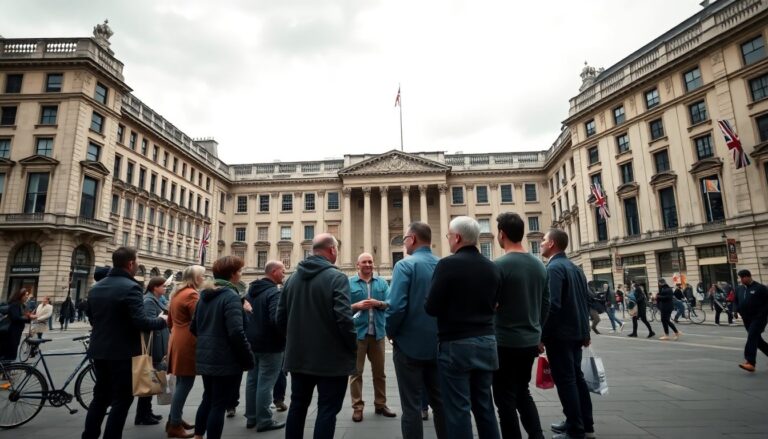
The political landscape of the UK is a complex tapestry woven from historical events, social movements, and economic changes. Understanding this intricate web reveals how deeply these elements shape the current state of governance and public sentiment. The UK is not merely a nation of traditions; it is a vibrant democracy in constant transformation.
Recently, the Brexit referendum has acted as a significant catalyst for change. It has reshaped political discourse and altered relationships both domestically and internationally. The implications of this monumental decision continue to resonate throughout various sectors of society, underscoring the need for a nuanced understanding of the UK’s political dynamics.
Key Elements of the UK Political Framework
The UK operates under a constitutional monarchy and a parliamentary democracy. In this structure, the monarch serves as the head of state while the Prime Minister functions as the head of government. This framework not only defines the political hierarchy but also influences how policies are formulated and enacted.
The Role of Parliament
The UK Parliament, composed of the House of Commons and the House of Lords, plays a crucial role in shaping legislation. The House of Commons, with its elected Members of Parliament (MPs), is responsible for proposing and debating new laws. In contrast, the House of Lords acts as a revising chamber, where appointed members scrutinize legislation. This bicameral system ensures a comprehensive examination of proposed laws, fostering a rigorous legislative process.
Political Parties and Their Impact
The political party system in the UK is largely dominated by two major players: the Conservative Party and the Labour Party. Each party embodies distinct ideologies that resonate with different segments of the population. The Conservatives are often associated with free market policies, attracting voters who prioritize economic growth and stability. Conversely, the Labour Party champions social justice and public welfare, aiming to address inequalities through government intervention.
In addition to these main parties, smaller parties like the Liberal Democrats and the Scottish National Party (SNP) have gained prominence, reflecting the expanding diversity of political opinions. This multiparty system introduces a dynamic element to UK politics, often leading to coalitions and alliances that can significantly influence policy directions.
Recent Political Challenges
As the UK navigates the aftermath of Brexit, it faces several challenges that require careful consideration. The issue of trade agreements is at the forefront, as the government seeks to establish new relationships outside the European Union. Additionally, the economic repercussions of Brexit are still unfolding, with businesses grappling with changes in regulations and market access.
Public Sentiment and Political Polarization
Public opinion has become increasingly polarized, particularly regarding issues such as immigration, the economy, and national identity. This polarization has been intensified by social media, which facilitates the rapid spread of information, often creating echo chambers where individuals encounter only viewpoints that reinforce their beliefs. Consequently, political discourse can become contentious, affecting the overall stability of governance.
The Future of UK Politics
Looking ahead, the future of UK politics remains uncertain. Factors such as climate change, public health crises, and economic recovery will undoubtedly play crucial roles in shaping the political agenda. Furthermore, ongoing debates surrounding devolution and potential further referendums in Scotland and Wales could redefine the relationship between the UK government and its constituent nations.
In conclusion, understanding the complexities of the UK’s political landscape necessitates an appreciation of its historical context, current challenges, and future possibilities. As the nation continues to evolve, so too will its politics, reflecting the diverse voices and opinions that comprise its society.
