

Analyze and resolve the complexities of critical incidents, focusing on their extensive implications and effects.
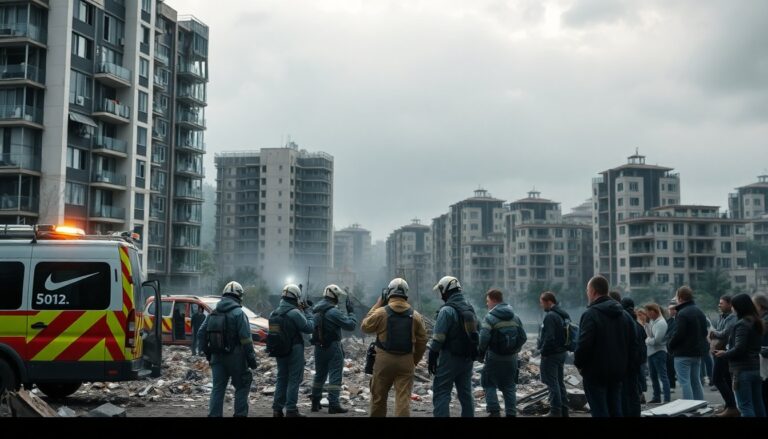
In today’s fast-paced world, the occurrence of a critical incident can significantly disrupt societal norms and operational protocols. These incidents, which can range from natural disasters to man-made crises, challenge our understanding of safety, preparedness, and response mechanisms.
This article delves into the various dimensions of critical incidents, examining their causes, the responses they elicit, and the lasting effects they have on communities and organizations.
The Nature of Critical Incidents
Critical incidents are often unexpected and can have devastating effects.
They can arise from diverse sources such as terrorist attacks, industrial accidents, or natural disasters. Each type of incident presents unique challenges for response teams and society at large. Understanding the nature of these incidents is crucial for effective management and mitigation strategies.
Types of Critical Incidents
There are several categories of critical incidents, each with distinct characteristics. For instance, a terrorist attack often involves deliberate actions aimed at instilling fear or causing harm, while a natural disaster is typically an unforeseen event that results in widespread damage and chaos. Moreover, industrial accidents such as chemical spills can have long-term environmental impacts, complicating recovery efforts.
Recognizing the type of incident is essential for crafting tailored response strategies. For example, responses to a natural disaster might focus on evacuation and shelter, while responses to a terrorist attack may require increased security measures and public reassurance.
Response and Recovery Mechanisms
The efficacy of a response to a critical incident often determines the extent of its impact on the affected community or organization. A well-coordinated response can mitigate damage, save lives, and facilitate recovery, while a poorly managed response can exacerbate the situation.
Emergency Response Strategies
Emergency response strategies typically involve multiple stakeholders, including government agencies, non-governmental organizations (NGOs), and community groups. A successful response requires clear communication, effective resource allocation, and a thorough understanding of the specific needs of those affected. Incident command systems are often employed to streamline operations and ensure that all entities work towards a common goal.
Furthermore, training and preparedness play a pivotal role in enhancing response effectiveness. Regular drills and simulations help familiarize responders with protocols and improve coordination among various agencies. For instance, fire departments, police, and emergency medical services need to work in harmony during a crisis to provide immediate assistance to those in need.
Long-Term Effects of Critical Incidents
The aftermath of a critical incident often leaves lasting scars on individuals and communities. Psychological impacts can be profound, with many survivors experiencing post-traumatic stress disorder (PTSD), anxiety, and depression. It is critical to offer mental health support to those affected to facilitate healing and recovery.
Community Resilience and Rebuilding
Communities often demonstrate remarkable resilience in the face of adversity. The process of rebuilding can foster a sense of unity and strength among residents. Local organizations and volunteer groups frequently emerge to support recovery efforts, demonstrating the power of community solidarity.
Moreover, critical incidents often prompt discussions about safety regulations and preparedness measures. For example, following a significant natural disaster, cities may implement stricter building codes or invest in infrastructure improvements to reduce vulnerability to future incidents. This proactive approach can significantly enhance the resilience of communities and organizations.
Critical incidents are often unexpected and can have devastating effects. They can arise from diverse sources such as terrorist attacks, industrial accidents, or natural disasters. Each type of incident presents unique challenges for response teams and society at large. Understanding the nature of these incidents is crucial for effective management and mitigation strategies.0
