

**Exploring the Electric Vehicle Revolution: Innovations Shaping the Future of Transportation** Are you intrigued by the electric vehicle (EV) phenomenon? Join us as we dive into the latest advancements in EV technology and their implications for the future of mobility. Discover how these innovations are transforming the automotive landscape and what they mean for sustainable transportation and driving experiences ahead!
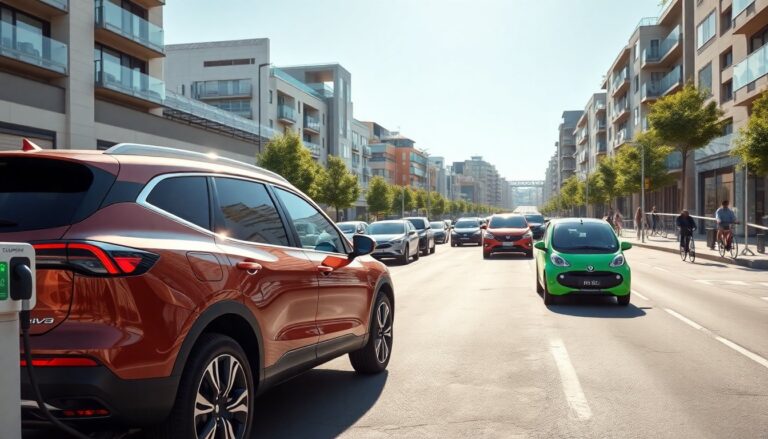
The Rise of Electric Vehicles: A Transformative Shift in the Automotive Industry
Electric vehicles (EVs) are rapidly gaining traction across the globe. Once considered a niche market, EVs are now becoming a common sight on roads everywhere. This shift reflects a significant change in consumer preferences and advancements in technology.
What factors are driving this transition? A combination of environmental awareness, government incentives, and technological innovations has made EVs more appealing. As battery technology improves, the range and affordability of electric cars increase, attracting more buyers.
For those contemplating the switch to an electric vehicle, several options are now available, catering to diverse needs and budgets.
Major manufacturers are expanding their EV offerings, making it easier for consumers to find a model that suits their lifestyle.
Looking ahead, the future of electric vehicles appears promising. Industry experts predict continued growth in sales and infrastructure development, including charging stations.
This will further enhance the practicality of owning an EV.
As this trend evolves, it is essential for consumers to stay informed about the latest developments in the electric vehicle market. Understanding the benefits and challenges associated with EVs will empower potential buyers to make informed decisions.
Current Landscape of Electric Vehicles
The electric vehicle market is experiencing significant growth. According to recent reports, global sales of electric vehicles increased by 50% last year. This expansion can be attributed to advancements in battery technology, government incentives, and heightened awareness of environmental issues. Consumers are recognizing that transitioning to electric vehicles not only benefits the planet but also reduces fuel and maintenance costs.
However, navigating the multitude of available options can be daunting. With a range of offerings from manufacturers such as Tesla, Nissan, and traditional automakers, the market is becoming increasingly competitive. Additionally, the electric vehicle ecosystem is evolving rapidly, with charging stations emerging across urban areas, innovative battery technologies being developed, and smart grid integrations enhancing charging efficiency. This transformation is poised to reshape the automotive landscape.
Innovative Technologies Shaping the Future
The evolution of technology in electric vehicles (EVs) is advancing at an unprecedented pace. A significant development is the transition from lithium-ion batteries to solid-state batteries. This shift promises to deliver longer ranges and shorter charging times. The prospect of charging an EV in minutes instead of hours is rapidly moving from concept to reality. Experts suggest that solid-state batteries could transform the industry significantly.
Additionally, the software component of EVs is crucial. The advent of connected cars means that these vehicles are becoming more than mere transportation. They are evolving into intelligent devices equipped with advanced technology. Users can access real-time data regarding vehicle performance, receive updates that enhance the driving experience, and benefit from AI-assisted features that prioritize safety. This integration of technology marks a significant step forward in the automotive sector.
The Road Ahead: Challenges and Opportunities
While there is much excitement surrounding electric vehicles (EVs), significant challenges remain. One pressing issue is the need for a robust charging infrastructure. This is particularly critical in rural areas, where access to charging stations is limited. Closing this gap is essential for ensuring widespread EV adoption. What are your thoughts? Could this hinder potential buyers from making the switch to electric?
Another major concern revolves around the environmental impact of battery production and disposal. It is imperative to develop sustainable solutions that allow the EV revolution to proceed without harming the planet. Innovative recycling technologies and sustainable sourcing methods must be prioritized. The industry acknowledges these challenges and is actively seeking solutions. However, ongoing efforts for transparency and accountability are crucial.
In conclusion, the future of electric vehicles (EVs) extends beyond the vehicles themselves. It involves their integration into our daily lives and the broader environment. As technology progresses rapidly and an increasing number of individuals transition to electric, this period represents a significant moment in the automotive evolution. What are your thoughts? Are you prepared to embrace the EV revolution? Share your opinions in the comments below.
