

**UN 80th Anniversary: Navigating Global Challenges Amidst Conflicts** As the United Nations commemorates its 80th anniversary, it stands at a critical juncture, grappling with an array of complex challenges exacerbated by ongoing global conflicts. Key issues include: 1. **Geopolitical Tensions**: Heightened rivalries among major powers threaten international cooperation, undermining the UN's role as a mediator. 2. **Humanitarian Crises**: Escalating conflicts have led to unprecedented levels of displacement and humanitarian needs, challenging the UN's capacity to respond effectively. 3. **Climate Change**: The increasing frequency of climate-related disasters complicates peacekeeping efforts and poses significant risks to global stability. 4. **Pandemic Recovery**: The ongoing impact of the COVID-19 pandemic has revealed vulnerabilities in global health systems and inequities in vaccine distribution. 5. **Disinformation and Cybersecurity**: The rise of misinformation and cyber threats presents new challenges for the UN in maintaining peace and security. 6. **Sustainable Development Goals (SDGs)**: Achieving the SDGs amidst conflicting priorities and resource constraints remains a significant challenge for the UN. In this evolving landscape, the UN must adapt and innovate to maintain its relevance and effectiveness, ensuring it can tackle the pressing global issues of our time.
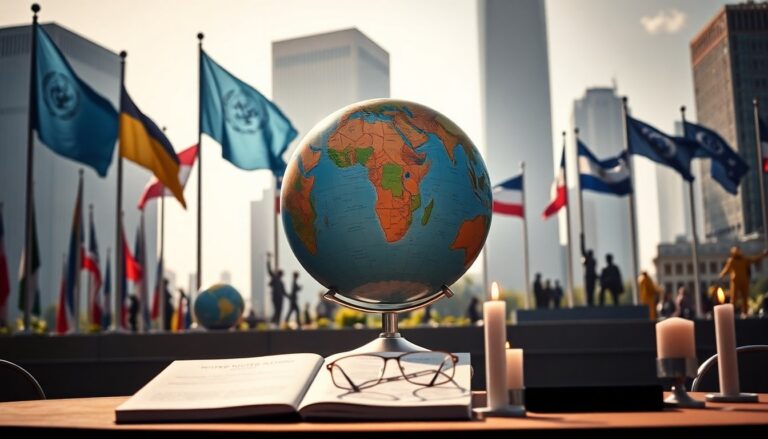
The United Nations recently marked its 80th anniversary, a milestone overshadowed by numerous global crises. Established to promote international cooperation and peace, the organization now faces significant challenges, including humanitarian disasters, geopolitical tensions, and severe human rights violations.
As the world reflects on the UN’s accomplishments, it is essential to recognize the pressing issues it confronts today, particularly in regions like Gaza.
There, the situation has escalated into what many have labeled a genocide. The UN’s role in mediating these crises has never been more crucial.
Current Global Crises Impacting the UN
In recent weeks, the ongoing conflict in Gaza has drawn international scrutiny, highlighting the UN’s struggle to effectively address humanitarian needs.
Reports indicate that thousands of civilians have been displaced, with essential services teetering on the brink of collapse. This dire situation raises critical questions regarding the UN’s effectiveness in safeguarding human rights and delivering essential aid.
The Humanitarian Crisis in Gaza
The humanitarian catastrophe in Gaza is exacerbated by continuous military actions. Families are being torn apart, with accounts of entire households being decimated. The UN’s capacity to respond is hampered by political disputes and funding shortages, complicating its mission to provide aid and support.
As the international community observes, calls for accountability are intensifying. Activists and humanitarian organizations are urging the UN to adopt a stronger stance against the violence and to engage actively in peace mediation. This global outcry reflects a desire for the UN to reclaim its authority in conflict resolution.
Global Responses and Protests
In addition to humanitarian concerns, political tensions are mounting. For instance, protests have erupted in places like Brazil, where citizens are rallying against legislation perceived as an attempt to pardon former President Jair Bolsonaro following a coup attempt. These protests signify increasing public dissatisfaction with political leaders and a demand for transparency and accountability.
International Reactions
Meanwhile, notable figures in the entertainment industry are speaking out against censorship and the suppression of free speech. The Federal Communications Commission (FCC) chair recently made headlines for threatening broadcasters over content related to controversial subjects. This situation has united artists and public figures advocating for the preservation of constitutional rights.
This rising movement underscores the interconnectedness of social issues and the UN’s role in promoting fundamental human rights worldwide. The call for free speech and the right to protest highlights a vital aspect of the UN’s mission, emphasizing the importance of dialogue in resolving conflicts.
Future Prospects for the UN
As the United Nations enters its next chapter, the need for reform and a renewed commitment to its founding principles is evident. The organization must adapt to the evolving global landscape to effectively address crises such as those seen in Gaza, Brazil, and beyond.
Critics argue that the UN needs to reassess its strategies to remain relevant and impactful. This may involve adopting a more proactive approach to conflict resolution, stronger advocacy for human rights, and improved coordination with member states for timely responses to humanitarian emergencies.
As the world reflects on the UN’s accomplishments, it is essential to recognize the pressing issues it confronts today, particularly in regions like Gaza. There, the situation has escalated into what many have labeled a genocide. The UN’s role in mediating these crises has never been more crucial.0
