

Explore the rich tapestry of history that influences and enriches the vibrant culture of the United Kingdom.
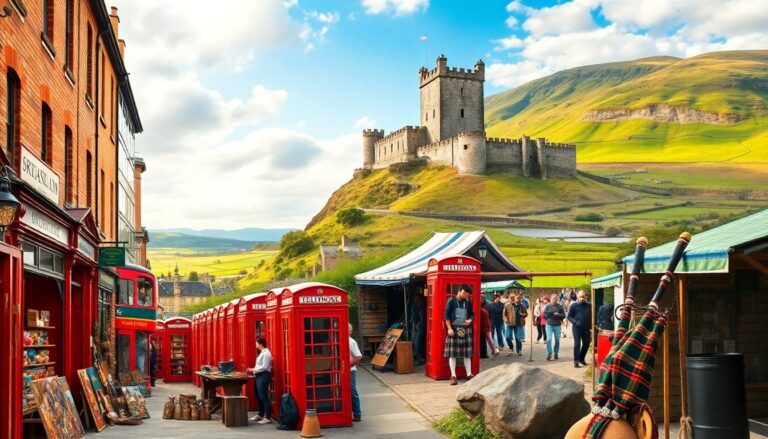
The United Kingdom is a nation rich in history and cultural diversity. From the bustling streets of London to the tranquil landscapes of the Scottish Highlands, each region presents a unique blend of traditions, languages, and artistic expressions. This article delves into the vibrant tapestry of cultures that define the UK, examining how historical events have shaped its current identity.
The Historical Context of UK Culture
The cultural landscape of the UK is profoundly influenced by its historical events. The rise and fall of empires, wars, and migrations have all contributed to its rich heritage. A significant event was the Industrial Revolution, which transformed the economy and brought diverse communities together in urban settings.
This period saw an influx of immigrants from various parts of the world, each introducing their own customs and traditions.
Colonial Influence
During the 19th and early 20th centuries, the British Empire expanded significantly, resulting in a cultural exchange affecting both the colonizers and the colonized.
The legacy of this colonial past is evident in contemporary UK society, where cultural practices, languages, and cuisines from former colonies have become part of daily life. For instance, the popularity of Indian cuisine in the UK reflects how food serves as a medium of cultural connection.
Regional Cultural Variations
The UK is not a monolith; it comprises four distinct nations: England, Scotland, Wales, and Northern Ireland, each with its own unique cultural identity. Regional variations are evident in languages, music, and festivals. In Wales, the preservation of the Welsh language underscores the region’s commitment to its cultural heritage, while Scotland’s Highland Games highlight traditional sports and music.
Language and Dialects
Language plays a crucial role in shaping cultural identity. The English language is enriched by numerous dialects and accents, reflecting local history and community values. Alongside English, the UK is home to several indigenous languages, including Scottish Gaelic and Welsh, both of which are experiencing a revival in recent years. This linguistic diversity emphasizes the importance of language as a vehicle for cultural expression.
The Arts and Entertainment Scene
The UK has made significant contributions to the global arts scene, from literature to music. It has produced literary giants like William Shakespeare and Charles Dickens, whose works continue to resonate globally. Additionally, the rise of British music has influenced various genres, from rock to pop, with iconic bands like The Beatles and Queen leading the charge.
Film and Television
In recent years, the UK has also established itself as a powerhouse in the film and television industry. Acclaimed productions such as Doctor Who and the Harry Potter franchise have captured the imagination of audiences worldwide. The British Film Industry is renowned for its quality storytelling and innovative filmmaking, playing an integral role in the UK’s cultural fabric.
In conclusion, the cultural richness of the UK is a product of its complex history, regional diversity, and contributions to the arts. It is a dynamic landscape that continues to evolve, influenced by both domestic and global factors. The interplay between tradition and modernity creates a vibrant cultural scene that invites exploration and appreciation.
