

Explore the rich layers of the UK's cultural tapestry that shape its unique identity.
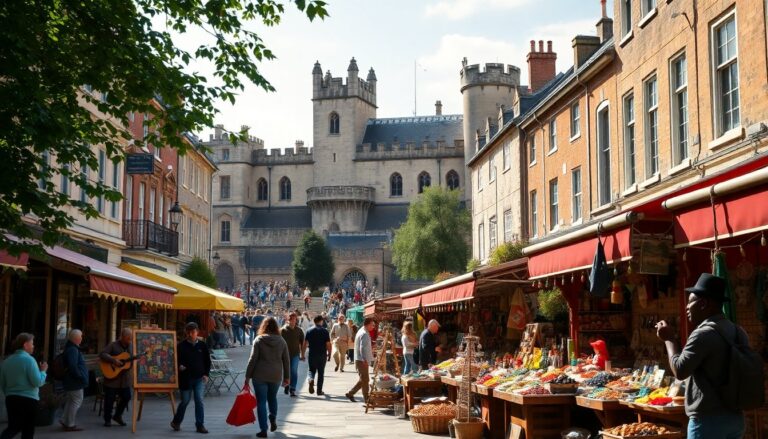
The United Kingdom presents a unique blend of history, art, and multicultural influences that shape its rich cultural landscape. From historic sites to modern artistic expressions, the UK forms a vibrant tapestry, reflecting centuries of evolution and adaptation. This article explores various facets of UK culture, showcasing how its heritage continues to influence contemporary society.
The Historical Influences on UK Culture
The UK’s culture is deeply rooted in its historical context, with significant influences from various epochs, including the Roman conquest, the Middle Ages, and the Victorian era. Each period has left a distinct mark on national identity and cultural practices.
For instance, the Anglo-Saxon period introduced foundational elements of the English language and literature, while the Norman Conquest had a lasting impact on architecture and governance.
Architectural Heritage
One of the most prominent aspects of cultural heritage is architecture, encompassing everything from medieval castles to Georgian townhouses.
Iconic structures such as the Tower of London and Westminster Abbey serve not only as major tourist attractions but also as enduring symbols of national pride and historical importance. Preserving these sites offers invaluable insight into the architectural styles and societal values of their respective eras.
Modern Cultural Expressions
Today, modern culture in the UK is marked by a dynamic blend of traditional and contemporary influences. The emergence of British pop culture, particularly in music, fashion, and film, has made a significant global impact. For example, the Beatles fundamentally changed the music landscape in the 1960s, while London fashion icons continue to set trends that resonate worldwide.
Art and Literature: A Cultural Cornerstone
The UK has long been a cradle for literary talent, producing iconic writers such as William Shakespeare and Jane Austen. Their works form a crucial part of the English literary canon and continue to be studied across the globe. In addition, contemporary authors like J.K. Rowling and Kazuo Ishiguro have introduced narratives that resonate with today’s audiences, enriching the UK’s diverse literary landscape.
Similarly, the UK’s art scene mirrors its cultural diversity. Esteemed institutions like the Tate Modern and the British Museum offer a platform for a vast array of artistic expressions. From classical masterpieces to cutting-edge installations, these venues celebrate both local and international artists, reinforcing the UK’s status as a vibrant cultural hub.
Multicultural Influences and Integration
The United Kingdom is often referred to as a melting pot of cultures, a status shaped by its extensive history of immigration and colonization. This rich diversity has fostered the growth of numerous communities, each adding a unique thread to the cultural tapestry of the nation. Prominent cities such as London, Birmingham, and Manchester exemplify this cosmopolitan spirit, where various cultures coalesce and enhance one another.
Culinary Diversity
The influence of multiculturalism is most prominently showcased in the UK’s culinary landscape. Traditional dishes like fish and chips now share the stage with an array of global flavors, including Indian curries, Chinese dim sum, and Middle Eastern mezze. This culinary fusion illustrates the UK’s willingness to embrace new influences while honoring its gastronomic heritage.
Food festivals and markets across the UK celebrate cultural diversity. They showcase not only traditional British cuisine but also dishes from various cultures. This highlights the importance of food as a unifying element in a multicultural society.
Conclusion
The cultural landscape of the UK is a rich tapestry woven from its historical roots, modern artistic expressions, and vibrant multicultural influences. As the UK continues to evolve, its culture remains a dynamic and integral part of its national identity. Understanding and appreciating this complexity is essential for recognizing the UK’s place in a global context.
