

Explore the captivating impact of technology on the evolution of the sports industry.
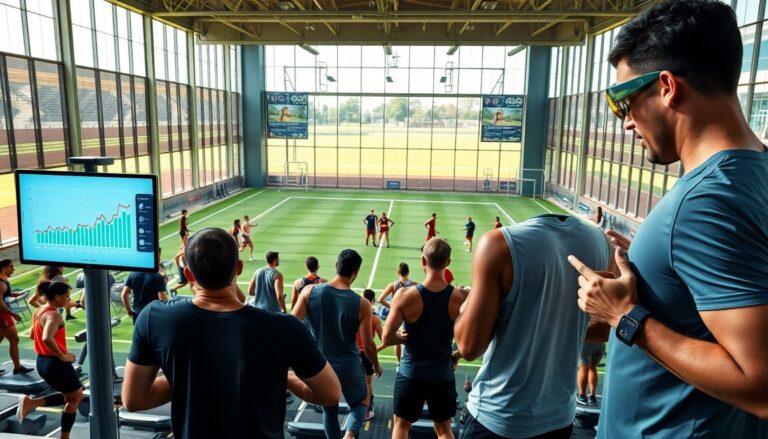
In recent years, the world of sports has undergone a substantial transformation, primarily driven by advancements in technology. From data analytics to wearable devices, technology has changed how athletes train and how fans interact with their favorite sports. This article explores how technology is reshaping the sports landscape and its implications for the future.
The Role of Data Analytics in Sports
One of the most significant changes in sports is the emergence of data analytics. Teams are increasingly using sophisticated statistical methods to evaluate player performance, game strategies, and even athletes’ physical conditions. This data-driven approach empowers coaches and managers to make informed decisions, optimizing training regimens and in-game strategies.
Understanding Performance Analysis in Sports
Performance analysis plays a vital role in today’s sports landscape. Coaches leverage video analysis software to dissect gameplay, providing insights into both individual and team performance. This approach enables athletes to pinpoint specific areas for improvement, enhancing their skills and decision-making capabilities.
Additionally, the integration of biometric data from wearable technology is revolutionizing player health monitoring. By tracking vital metrics, coaches can ensure that athletes maintain optimal physical condition, paving the way for sustained performance.
Injury Prevention
Injuries can significantly impact an athlete’s career. The integration of technology is essential in preventing these injuries. Wearable devices that monitor metrics such as heart rate, movement, and exertion levels offer critical insights. By carefully analyzing this data, trainers can pinpoint potential risks and adjust training loads accordingly. This proactive strategy not only enhances athlete safety but also extends their careers.
Fan Engagement Through Technology
Technology is transforming not only athletic performance but also fan interaction with sports. The rise of social media, mobile applications, and virtual reality has fostered a more immersive experience for fans. They are no longer mere spectators; they actively participate in the sports narrative.
Social Media and Live Interaction
Platforms such as Twitter, Instagram, and Facebook enable fans to connect with their favorite athletes and teams in real time. This real-time engagement cultivates a sense of community among fans, allowing them to share experiences and opinions instantly. Moreover, teams utilize these platforms for marketing and brand building, fostering a closer relationship with their audience.
Virtual Reality and Augmented Reality Experiences
Technologies like virtual reality (VR) and augmented reality (AR) are transforming how fans engage with sports. VR immerses fans in games from the comfort of their homes, simulating the stadium experience. Meanwhile, AR enhances viewing by overlaying statistics and player information during live games. These innovations offer a more engaging and informative experience, encouraging fans to return for more.
The Future of Sports Technology
What does the future hold for sports technology? Innovations like artificial intelligence (AI) and machine learning are transforming the landscape. These technologies can analyze extensive data sets to forecast game outcomes, fine-tune training regimens, and enhance fan engagement through personalized content. The merging of technology and sports is setting the stage for a future where every aspect of the game is significantly improved.
Consider this: the relationship between technology and sports is evolving rapidly. We see how these advancements are influencing athlete performance and reshaping fan interaction with their favorite teams. As we move forward, it is clear that this integration will deepen, resulting in improved performance, enhanced safety measures, and a more interconnected fan experience. Adapting to these changes will be crucial for athletes, teams, and fans as they embrace this new era.
