

**Uncovering the Hidden Truths Behind Major Incidents Impacting Society** Dedicated to analyzing and revealing the underlying factors of significant events that influence our communities and daily lives. Passionate about investigative research and committed to providing insightful information that fosters understanding and awareness.
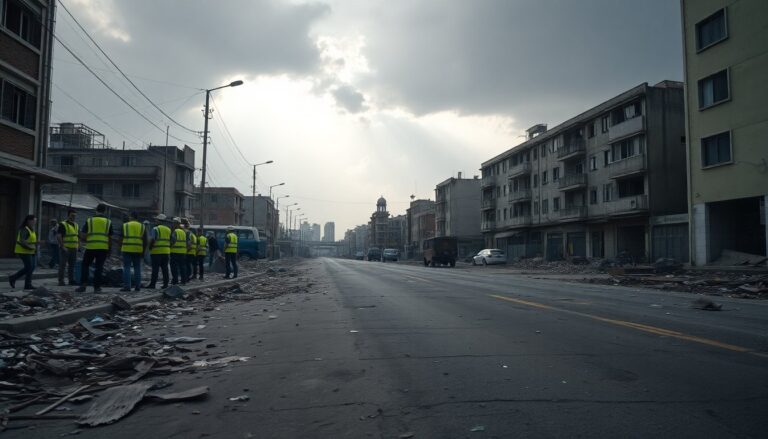
Incidents often emerge as unexpected events that profoundly impact society, individuals, and communities. Whether they involve natural disasters, industrial accidents, or social upheavals, the consequences can be extensive. This article explores the implications of significant incidents, examining their influence on our lives and societal dynamics.
Understanding Incidents and Their Classifications
To comprehend the implications of incidents, it is essential to recognize their classifications. Incidents can be broadly categorized into three types: natural incidents, human-made incidents, and technological incidents. Each category presents unique challenges and consequences.
Natural Incidents
Natural incidents, including earthquakes, hurricanes, and floods, arise from environmental factors. These events can result in devastating outcomes, such as loss of life, property damage, and long-term environmental change. For example, the Hurricane Katrina incident in 2005 not only caused immediate destruction but also had lasting effects on the socioeconomic landscape of New Orleans.
Human-Made Incidents
Human-made incidents encompass various events, including industrial accidents like oil spills, transportation disasters, or acts of terrorism. These incidents frequently arise from negligence, poor planning, or malicious intent. The Bhopal gas tragedy in 1984 serves as a stark reminder of how human error can lead to catastrophic outcomes, impacting thousands of lives and the environment.
The Immediate and Long-Term Effects of Incidents
Incidents have immediate repercussions that often lead to a cascade of long-term effects reshaping communities and individual lives. The psychological impact of incidents can be profound, leaving survivors and witnesses with lasting trauma. Additionally, economic consequences can hinder recovery efforts, leading to increased poverty rates.
Psychological Impact
The psychological impact of incidents can manifest in various ways. Survivors may experience post-traumatic stress disorder (PTSD), anxiety, and depression. For instance, after the September 11 attacks, many individuals reported heightened anxiety levels and a pervasive sense of insecurity. Understanding these psychological implications is vital for providing adequate support and resources to those affected.
Economic Implications
The economic implications of incidents can also be significant. The costs associated with recovery, rebuilding infrastructure, and providing assistance to affected individuals can strain local and national economies. For example, the financial fallout from the Deepwater Horizon oil spill in 2010 not only impacted the fishing and tourism industries but also had ripple effects on the broader economy of the Gulf Coast region.
Lessons Learned from Past Incidents
Each incident offers an opportunity to extract valuable lessons that can help mitigate the impact of future occurrences. By analyzing past incidents, communities can develop improved response strategies, enhance public awareness, and upgrade infrastructure. The importance of preparedness cannot be overstated; proactive measures can save lives and reduce property damage.
Preparedness and Resilience
Fostering a culture of preparedness can significantly enhance a community’s resilience to incidents. This includes educating the public on emergency response procedures, conducting regular drills, and investing in infrastructure designed to withstand disasters. The Great East Japan Earthquake in 2011 underscored the importance of preparedness, as areas with robust emergency plans fared better than those without.
Policy Changes and Regulations
Incidents often act as catalysts for policy changes and new regulations. Following significant events, governments may enact stricter safety standards, enhance environmental protections, or improve emergency response protocols. The regulatory reforms introduced after the Fukushima nuclear disaster in 2011 exemplify how incidents can drive meaningful change.
To comprehend the implications of incidents, it is essential to recognize their classifications. Incidents can be broadly categorized into three types: natural incidents, human-made incidents, and technological incidents. Each category presents unique challenges and consequences.0
