

**Analysis of Recent Statements on the Ukraine-Russia Conflict and Future Escalation Risks** In this report, we delve into the recent statements made regarding the ongoing Ukraine-Russia conflict, examining their implications and the potential for future escalations. Our analysis focuses on key developments, strategic interests, and the geopolitical landscape influencing the situation. Key Highlights: - Overview of Recent Political Statements - Implications for International Relations - Assessment of Military and Economic Factors - Predictions for Future Developments and Escalation Scenarios Stay informed about the evolving dynamics of the Ukraine-Russia conflict and understand the factors that could drive future tensions.
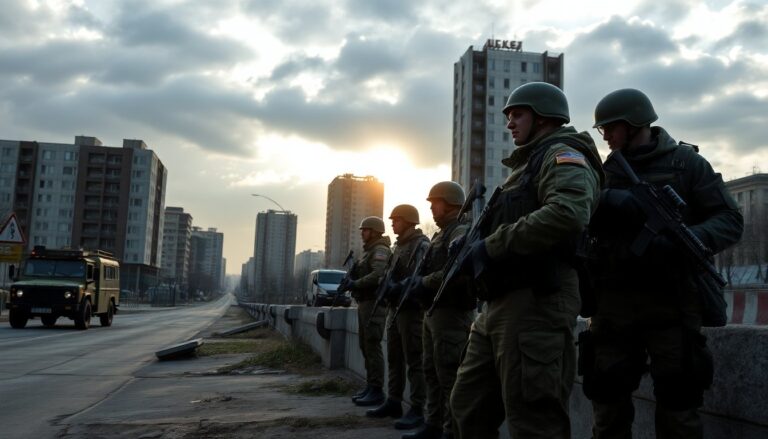
Escalating Tensions in Ukraine-Russia Conflict
The ongoing conflict between Ukraine and Russia remains a focal point in international news, with rising tensions influencing global political dynamics. Recently, Ukrainian President Volodymyr Zelensky issued a stark warning, stating that the current situation may only be the beginning of broader confrontations.
This warning aligns with a notable shift in rhetoric from U.S. President Donald Trump, who has referred to the Russian military as a paper tiger. This characterization suggests a significant change in how Russia’s military capabilities are perceived on the global stage.
Shifting Perspectives on Russian Military Power
Recently, President Trump surprised many by expressing a critical view of the Russian military. He described their forces as lacking strength and effectiveness. This marks a significant departure from previous narratives that often cast Russia as a formidable military power.
By calling the Russian army a paper tiger, Trump suggests that its perceived threats may not reflect its actual military capabilities.
Impact of Trump’s Comments
Trump’s comments have raised eyebrows, especially given his past approach to U.S.-Russia relations. This shift may signal a broader reassessment of the geopolitical landscape. U.S. officials are increasingly questioning the capabilities of the Russian military. Such a change could have major implications for future military strategies and alliances, particularly concerning Ukraine’s ongoing struggles.
Zelensky’s Warning on Future Conflicts
In light of recent developments, President Zelensky has emphasized the fragile state of Ukraine’s situation. His assertion that “Ukraine is only the first” serves as a stark warning. He suggests that without decisive action from the international community, other nations could soon experience similar aggressions from Russia. This viewpoint raises concerns about a potential ripple effect, where Ukraine’s conflict could ignite broader regional instability.
The Importance of Ongoing International Support
Ukrainian President Zelensky is urging the international community to remain vigilant and committed to providing ongoing support for Ukraine. He calls for a decisive response from Western allies to counter any further Russian aggression. Zelensky emphasizes that the experiences gained from Ukraine’s conflict hold valuable lessons, which could be crucial in preventing future threats in Eastern Europe and beyond.
Exploring the Wider Consequences
The exchange between Trump’s statements and Zelensky’s warnings illustrates a nuanced geopolitical situation. While Trump’s remarks may indicate a perceived weakening of Russian military capabilities, Zelensky’s insights highlight the persistent risks that exist. As tensions continue to rise, the international community must tread carefully to maintain regional stability.
Zelensky’s remarks highlight a pivotal moment in global diplomacy. His focus on the risk of escalating conflicts encourages nations to reevaluate their diplomatic strategies and military alliances. With high stakes involved, the urgency for a united response to Russian ambitions has never been greater.
Ultimately, the evolving narrative of the Ukraine-Russia conflict, underscored by Trump’s comments and Zelensky’s warnings, calls for an in-depth analysis of military perceptions and diplomatic approaches. As the international community observes closely, it becomes apparent that Ukraine’s struggle transcends local concerns, representing a crucial chapter in the broader narrative of global relations.
