

Explore the Vibrant Cultural Landscape and Historical Richness of the UK
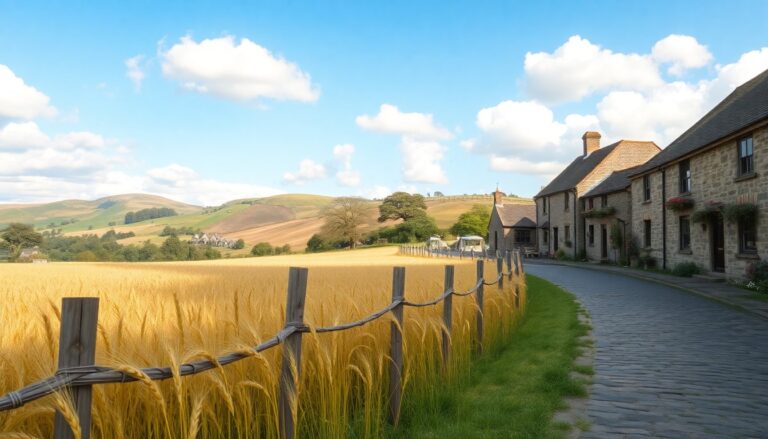
The United Kingdom (UK) is a nation rich in history and culture, presenting a vibrant tapestry of traditions, languages, and architectural wonders. From the lush hills of the English countryside to the bustling streets of London, the UK’s landscape mirrors the diversity of its people.
This article explores the various elements that contribute to the UK’s cultural identity, examining its historical significance and the influences that shape modern British society.
The historical foundation of the UK
The UK’s history is marked by numerous events that have shaped both the nation and the world.
The Roman conquest in 43 AD introduced significant changes, including urbanization and infrastructure development. The remnants of Roman architecture can still be seen today in places like Bath and Hadrian’s Wall, testifying to the grandeur of this era.
Another pivotal moment was the Norman Conquest in 1066, which ushered in substantial cultural and administrative changes.
Iconic symbols of this period, such as the Dome of the Rock and the Tower of London, reflect the amalgamation of Norman and Anglo-Saxon cultures. This blend of influences significantly contributes to the UK’s rich historical narrative, making it a compelling subject of study.
The impact of the Industrial Revolution
The Industrial Revolution in the 18th and 19th centuries marked another transformative period for the UK. It signified a shift from agrarian economies to industrialized cities, resulting in unprecedented social and economic changes. This era was characterized by the rise of factories, urban migration, and technological advancements. Cities such as Manchester and Birmingham emerged as hubs of innovation, impacting not only the UK but the entire globe.
Furthermore, the impact of the Industrial Revolution reached beyond economics; it altered the social fabric of British society. The emergence of the working class and labor movements underscored the need for reforms and better living conditions, shaping modern British politics and culture.
Cultural diversity in contemporary UK
Today, the UK stands as a testament to cultural diversity, with a population that includes a rich mix of ethnicities, languages, and traditions. This diversity is celebrated in various forms, from festivals and cuisines to art and music. Cities like London, Birmingham, and Manchester are renowned for their multicultural environments, where different communities coexist and contribute to a shared cultural identity.
One of the most significant aspects of this cultural mosaic is the celebration of local traditions. Festivals such as Notting Hill Carnival and Diwali reflect the vibrant traditions of different ethnic groups, promoting inclusivity and understanding among diverse communities. These events not only entertain but also educate participants and visitors about the rich histories and customs that shape the UK.
The role of arts and literature
The UK’s contributions to arts and literature are profound and far-reaching. Renowned figures such as William Shakespeare, Charles Dickens, and Virginia Woolf have left an indelible mark on global literature. Their works continue to be studied and celebrated, showcasing the UK’s literary heritage.
Moreover, the UK is home to a thriving arts scene, with institutions like the British Museum and the National Gallery preserving and showcasing the nation’s artistic treasures. The fusion of traditional and contemporary art forms, seen in movements like Britpop and contemporary art exhibitions, reflects the dynamic nature of British culture.
The United Kingdom is a nation defined by its rich cultural heritage and historical significance. From its ancient roots to its modern multicultural landscape, the UK offers a wealth of experiences and knowledge. Understanding this diverse tapestry enriches one’s appreciation of the nation and provides insights into the complexities of its people and their shared history.
