

**Exploring Modern Trends Transforming the Sports Industry** In recent years, the sports industry has experienced a dramatic transformation driven by various modern trends. Here are some key developments reshaping the landscape: 1. **Technological Advancements**: The integration of technology in sports is revolutionizing how games are played, analyzed, and consumed. Innovations such as wearable fitness trackers, augmented reality, and advanced analytics are enhancing athlete performance and fan engagement. 2. **Social Media Influence**: Social media platforms are playing a crucial role in how sports organizations connect with their audiences. Engaging content, live updates, and behind-the-scenes access are fostering a deeper relationship between fans and their favorite teams and athletes. 3. **Sustainability Initiatives**: As environmental concerns rise, the sports industry is adopting sustainable practices. From eco-friendly stadium designs to green event management, organizations are prioritizing sustainability to meet the growing expectations of environmentally conscious fans. 4. **Diversity and Inclusion**: The push for diversity and inclusion within teams and organizations is gaining momentum. Embracing different perspectives not only enhances team dynamics but also resonates with a broader audience, fostering loyalty and support. 5. **E-Sports Growth**: The rise of e-sports is capturing the attention of a younger demographic, creating new revenue streams and engagement opportunities for traditional sports organizations. This trend is redefining competition and entertainment in the sports arena. By understanding these modern trends, stakeholders in the sports industry can strategically position themselves to thrive in an ever-evolving landscape.
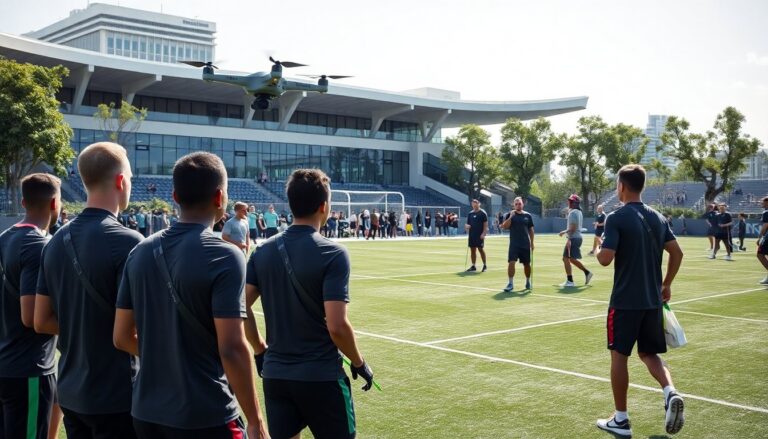
The world of sports has undergone a significant transformation over recent decades. With technological innovations, evolving societal values, and a growing emphasis on inclusivity, the sports landscape is more dynamic than ever. This article explores the trends shaping the future of sports and their implications for athletes, fans, and the industry as a whole.
Technological advancements in sports
One of the most influential factors in the evolution of sports is the rise of technology. From wearable devices that monitor athletes’ performance to advanced analytics that inform coaching strategies, technology enhances athletic performance. These innovations help athletes optimize their training and improve fan engagement through interactive experiences.
Data analytics and performance monitoring
Data analytics has become integral to modern sports. Teams utilize big data to assess player performance, devise strategies, and minimize injuries. Tools like video analysis and GPS tracking allow coaches to analyze gameplay in real-time, offering insights previously unattainable.
Consequently, athletes receive personalized training regimens tailored to their unique strengths and weaknesses.
Virtual and augmented reality in sports
Another exciting trend is the integration of virtual reality (VR) and augmented reality (AR) in sports training and fan experiences. VR technology enables athletes to immerse themselves in realistic simulations that replicate game scenarios, enhancing their decision-making skills without the physical strain of traditional practice. Meanwhile, AR applications transform how fans engage with games, providing live statistics, player information, and interactive content during matches.
The rise of inclusivity and diversity in sports
Beyond technology, there is a growing movement towards inclusivity and diversity in sports. As society evolves, the expectation for sports organizations to reflect broader social values has intensified. This shift is evident in the increasing visibility of female athletes, LGBTQ+ representation, and adaptive sports for individuals with disabilities.
Empowering female athletes
In recent years, visibility and support for female athletes have surged. Major sporting events now prioritize gender equality, offering equal pay and opportunities for women. Furthermore, the media increasingly showcases female sports, inspiring a new generation of athletes and helping to dismantle long-standing stereotypes within the sports realm.
Supporting LGBTQ+ inclusion
In addition to gender, sexual orientation and gender identity have become focal points in the push for inclusivity. Many sports leagues have adopted policies to support LGBTQ+ athletes, fostering environments where individuals can compete without fear of discrimination. This progress enriches the sports community and promotes a sense of belonging.
Environmental sustainability in sports
Another emerging trend is the emphasis on environmental sustainability. As climate change becomes an increasingly urgent issue, sports organizations are taking steps to reduce their environmental footprint. From eco-friendly stadiums to initiatives encouraging sustainable practices among fans, the sports industry acknowledges its role in promoting a healthier planet.
Green stadiums and facilities
Many new sports facilities are designed with sustainability in mind. These green stadiums utilize renewable energy sources, implement waste reduction programs, and encourage public transport usage. By prioritizing sustainability, sports organizations contribute to a healthier environment and appeal to a growing demographic of eco-conscious fans.
Community engagement and education
Finally, sports organizations leverage their platforms to educate fans about sustainability. Initiatives such as community clean-up events, educational programs on recycling, and partnerships with local environmental groups foster a sense of responsibility among fans. By encouraging participation, the sports community contributes to broader efforts aimed at combating climate change.
One of the most influential factors in the evolution of sports is the rise of technology. From wearable devices that monitor athletes’ performance to advanced analytics that inform coaching strategies, technology enhances athletic performance. These innovations help athletes optimize their training and improve fan engagement through interactive experiences.0
