

**Title: Analyzing the Impact of Trump's New Tariffs on America's Economic Landscape** **Introduction:** Explore the potential effects of President Trump's newly implemented tariffs on the United States economy. This analysis delves into the implications for various sectors, consumer prices, and international trade relations. **Key Points:** 1. **Economic Repercussions:** - Assess how tariffs may influence domestic industries and job markets. - Examine the risk of inflation due to increased costs on imported goods. 2. **Sector-Specific Impact:** - Identify industries most affected by the tariffs, such as steel, aluminum, and agriculture. - Discuss the potential for growth in local manufacturing versus the challenges faced by exporters. 3. **Consumer Behavior:** - Analyze how changes in pricing may alter consumer purchasing decisions. - Address the potential shift toward domestic products and the implications for consumer choice. 4. **International Trade Relations:** - Evaluate how tariffs could affect trade agreements and relationships with key global partners. - Discuss the possible retaliatory measures from other countries and their economic consequences. 5. **Long-Term Economic Outlook:** - Consider the potential long-term effects on economic growth and stability. - Explore expert opinions and forecasts on the sustainability of these tariffs. **Conclusion:** Stay informed about the evolving economic landscape as a result of Trump's new tariffs. Understanding these changes is crucial for businesses, consumers, and policymakers alike to navigate the challenges and opportunities that lie ahead. **Keywords:** Trump tariffs, economic impact, domestic industries, inflation, international trade, consumer behavior, economic growth.
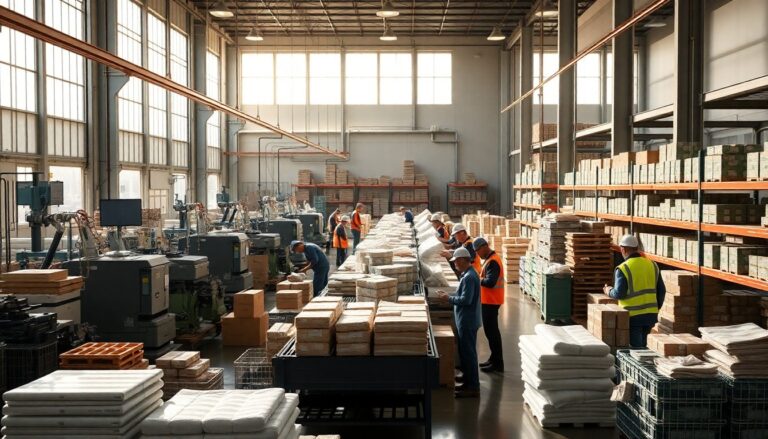
In a significant initiative to reshape the American manufacturing landscape, President Donald Trump has announced a new series of import tariffs scheduled to take effect on October 1, 2025. This plan includes an unprecedented 100% tariff on pharmaceutical products, alongside substantial tax increases on a range of consumer goods.
The president’s approach underscores a firm conviction that these actions will enhance domestic production and help mitigate the nation’s budget deficit.
Donald Trump’s recent social media posts underscore his dedication to implementing tariffs that build upon earlier trade frameworks.
Emphasizing the protection of American jobs and industries, Trump has proposed tariffs of 50% on kitchen cabinets, 30% on upholstered furniture, and 25% on heavy trucks. These tariffs are designed to prevent foreign manufacturers from inundating the U.S. market with their products.
Trump asserts that this strategy is essential for national security and maintaining economic stability.
The implications of pharmaceutical tariffs
One notable aspect of Trump’s tariff plan is the 100% tax on branded and patented pharmaceuticals. This policy primarily targets foreign drug manufacturers but allows exemptions for those that establish production facilities in the United States. However, the criteria for existing manufacturers remain unclear. In a recent year, the United States imported approximately $233 billion in pharmaceutical goods, which suggests that consumers could face significant price increases for various medications if these tariffs are implemented.
Potential backlash on healthcare costs
The rising healthcare expenses associated with Medicare and Medicaid may be further impacted by the newly imposed tariffs. This situation could provoke significant reactions from voters, particularly if essential medication costs suddenly increase. Such changes would likely lead to closer examination of the Trump administration’s policies. While the president argues that these tariffs are essential for encouraging pharmaceutical companies to invest in American jobs, the impending reality of escalating costs cannot be overlooked.
Impact on the furniture and construction industries
The introduction of tariffs imposing a 50% increase on kitchen cabinets and bathroom vanities could further complicate matters for homebuilders already facing high prices due to a housing shortage. As potential homeowners confront rising costs from the housing market alongside these new tariffs, the aspiration of homeownership may become increasingly unattainable.
Tariffs on heavy trucks and their impact on domestic manufacturing
The 25% tariff on heavy trucks is designed to protect domestic manufacturers such as Peterbilt and Mack Trucks from foreign competition. This measure has been championed by former President Trump, who contends that such tariffs are crucial for safeguarding American jobs and encouraging investments in local factories. However, critics express concerns that these tariffs might result in increased prices for consumers and businesses, as manufacturers are likely to pass on the additional costs.
The president’s firm position on tariffs has ignited a debate regarding their actual effectiveness. He maintains that inflation is manageable; however, recent statistics indicate a 2.9% increase in the consumer price index over the past year, up from 2.3% in April. This data raises concerns about the economic stability he claims, with emerging job losses in manufacturing and construction suggesting that the tariffs have not yet delivered the anticipated benefits.
The evidence
President Trump continues to promote a tariff-driven economic strategy, but the implications of these policies remain unclear. The goal is to stimulate a manufacturing revival in the United States. However, consumers and businesses may face increased costs and potential economic instability. The effectiveness of these tariffs in generating domestic jobs and manufacturing opportunities is still under examination. The nation is closely monitoring the outcomes of this ambitious economic initiative.
