

**Analyzing the Environmental Impact of AI Data Centers: Unveiling the Truth Behind Sustainability Claims**
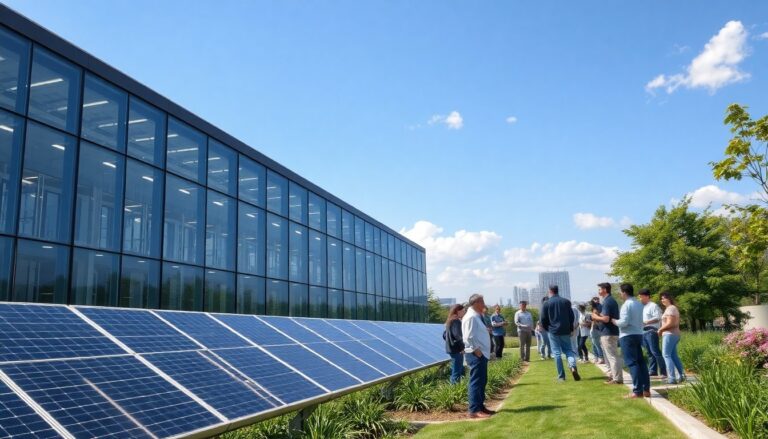
As the world leans increasingly toward digital solutions, the rise of data centers that support artificial intelligence (AI) technologies has ignited a significant debate regarding their environmental impact. A public forum held in Edinburgh recently focused on a proposed data center, revealing concerns about the sustainability claims made by such facilities.
Residents are encouraged to participate in the next meeting to contribute to this essential discussion.
Data centers, which form the backbone of our digital infrastructure, consume vast amounts of energy. While proponents highlight their initiatives to utilize renewable energy, a closer examination often shows a different reality.
Although intentions may be genuine, the execution frequently falls short of true environmental responsibility.
Understanding the environmental costs of data centers
The primary concern regarding data centers lies in their energy consumption. Various studies indicate that these facilities account for a significant percentage of global electricity usage, a trend expected to escalate as demand for cloud computing and AI applications rises.
The notion that a facility can claim to be eco-friendly while continuously increasing its energy requirements can be misleading.
Many data centers assert that they employ energy-efficient designs and practices. However, the overall energy consumption remains alarmingly high. The average data center consumes approximately 200 times more energy than a standard office building, prompting skepticism about their sustainability claims. It is crucial to scrutinize these assertions carefully.
The role of renewable energy in data centers
Although some data centers are making strides toward using renewable energy sources, this transition does not automatically ensure environmental friendliness. A significant challenge is that even if a data center claims to be powered by solar or wind energy, it may still draw from the grid, which often consists of a mix of energy sources. Consequently, the overall environmental impact can still be negative, especially if fossil fuels remain a substantial part of the energy mix.
Moreover, the commitment to sustainability can sometimes be superficial. Companies may prioritize green marketing strategies over meaningful operational changes. This can create a facade of environmental responsibility while perpetuating unsustainable practices.
Local implications of proposed data centers
The proposed data center in Edinburgh raises further concerns that extend beyond energy consumption. Local communities often experience the negative consequences associated with these facilities, including increased traffic, noise pollution, and potential strain on local resources. During the public meeting, residents voiced concerns regarding the impact of such developments on their neighborhoods.
There is also growing apprehension about the long-term sustainability of these projects. What occurs when initial enthusiasm fades and the promised benefits fail to materialize? Communities may find themselves burdened with facilities that do not deliver the anticipated economic advantages while environmental costs continue to escalate.
The importance of community engagement
It is vital for community members to remain informed and engaged in discussions about proposed data centers. Attending public meetings offers a platform to voice concerns and ensure thorough evaluation of potential impacts on the environment and local community. The next meeting will provide an opportunity for individuals to ask questions, express opinions, and demand transparency regarding the sustainability claims made by data centers.
The conversation surrounding data centers and their environmental implications is complex. While the promise of AI and its capabilities is appealing, it is essential to hold these facilities accountable for their energy consumption and environmental impact. Only through rigorous scrutiny and active community participation can we ensure that technology’s future aligns with our environmental objectives.
