

Explore the rich cultural diversity of the UK, where traditional heritage seamlessly intertwines with modern influences.
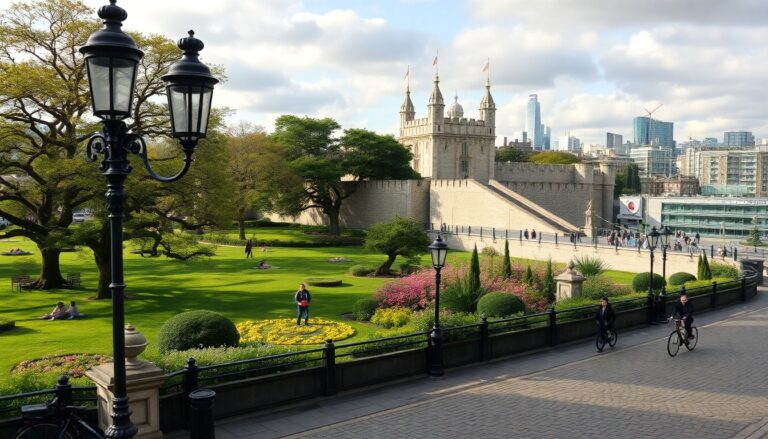
The United Kingdom is recognized for its extensive cultural heritage, reflecting centuries of history, tradition, and modern influences. From the bustling streets of London to the tranquil landscapes of Scotland, the UK presents a rich variety of cultural experiences. This article examines the diverse aspects of UK culture, highlighting how historical events have shaped contemporary society and how various communities contribute to this vibrant tapestry.
The historical influences on UK culture
Understanding the current cultural landscape of the UK requires an examination of its historical roots. The Roman conquest, which began in 43 AD, established many foundational aspects of British life, including architecture, language, and governance.
Structures such as Hadrian’s Wall remain as testaments to this era, drawing tourists and showcasing its lasting legacy.
Following the Romans, the Norman invasion in 1066 significantly altered England’s social structure and landscape. The construction of castles and cathedrals introduced a new architectural style, while the feudal system transformed land ownership and governance.
These historical events have left an enduring impact on British culture, influencing everything from literature to cuisine.
Regional variations in cultural practices
The cultural diversity of the UK is shaped not only by historical events but also by regional differences. Each part of the UK—England, Scotland, Wales, and Northern Ireland—boasts unique traditions and practices. For example, Scotland is renowned for its Highland games, featuring traditional sports like caber tossing and tug-of-war. Meanwhile, Wales is celebrated for its rich musical heritage and the beautiful Welsh language.
Furthermore, the English countryside is dotted with charming villages that commemorate local festivals, such as May Day celebrations and harvest festivals, reflecting the agricultural history of the region. These regional practices not only preserve local traditions but also foster a sense of community among residents.
The impact of globalization on UK culture
In recent years, the influence of globalization has become increasingly apparent in the UK’s cultural landscape. The influx of immigrants from various backgrounds has enriched the country’s cultural offerings. Cities like London are melting pots of cultures, featuring a wide range of international cuisines, festivals, and art forms.
For instance, the Notting Hill Carnival, one of the largest street festivals in Europe, celebrates Caribbean culture and heritage, attracting millions of visitors each year. This event exemplifies the UK’s embrace of multiculturalism, allowing various communities to showcase their traditions and promote understanding among different ethnic groups.
The role of technology in shaping modern culture
Technology has played a pivotal role in shaping contemporary UK culture. The rise of social media has transformed how people interact, share, and promote cultural events. Platforms like Instagram and Facebook have become essential tools for artists and performers to reach broader audiences, enabling them to showcase their work and connect with fans.
Moreover, the music industry in the UK has been profoundly impacted by technological advancements. From the emergence of streaming services to the rise of independent artists, technology has democratized the music landscape, allowing a wider array of voices to be heard. British artists such as Adele and Ed Sheeran have utilized these platforms to achieve global recognition, illustrating the significant influence of technology on contemporary culture.
The future of UK culture
The UK continues to evolve, with its cultural landscape remaining a fascinating blend of tradition and modernity. Historical influences, regional variations, globalization, and technological advancements all contribute to a dynamic cultural experience. Preserving the unique aspects of UK culture while embracing changes brought by an interconnected world is crucial. The future of UK culture is poised to be as vibrant and diverse as its past, ensuring it remains a rich tapestry of traditions and modern influences.
