

**Iran's Diplomatic Relations Experience Turbulence Amid Revived UN Sanctions** In light of the recent revival of United Nations sanctions, Iran's diplomatic relations are encountering significant challenges. The situation has necessitated the recall of ambassadors, highlighting the escalating tensions and complexities within international diplomacy. As these developments unfold, the implications for Iran's foreign relations and regional stability remain critical areas for ongoing analysis and discussion.
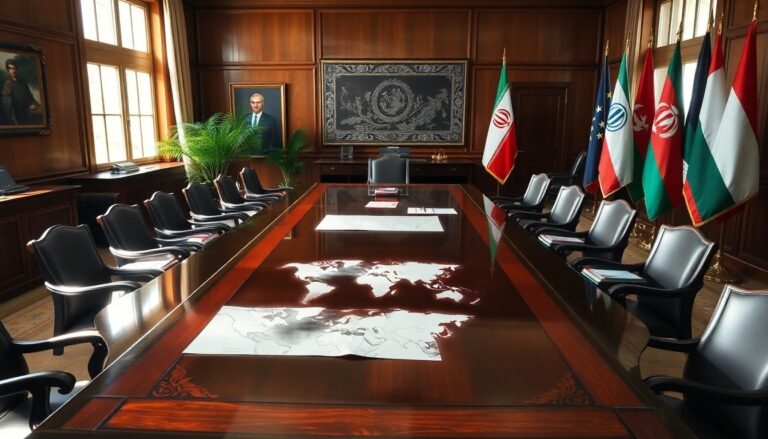
Iran has summoned its ambassadors from the United Kingdom, France, and Germany for urgent consultations. This action follows the E3 nations’ decision to activate a mechanism that reinstates United Nations sanctions on Iran. It marks the first such reinstatement in a decade.
Reports from state media, including Tasnim, indicate that Iran views this diplomatic maneuver as an irresponsible action by these European powers.
The developments occurred after Russia and China were unable to prevent the reinstatement of sanctions at the UN Security Council.
Their attempts to delay the decision were unsuccessful, as only four countries supported their draft resolution, allowing sanctions to proceed.
Timeline of sanctions and Iran’s nuclear program
A month prior, the E3 countries initiated the countdown to what is known as the snapback of UN sanctions.
They accused Iran of lacking transparency regarding its nuclear program, particularly in response to countermeasures Iran undertook after military actions by Israel and the United States during a significant conflict in June. Iranian officials reported that over 1,000 people lost their lives during this 12-day confrontation.
Economic implications of the sanctions
Set to take effect at midnight GMT on Sunday, these sanctions will impose a global prohibition on various forms of cooperation with Iran, particularly in the fields of nuclear, military, banking, and shipping. Consequently, Iran’s economy is already under pressure, with its national currency, the rial, falling to record lows, trading at over 1.1 million per US dollar in Tehran’s open market.
In another development, the International Atomic Energy Agency (IAEA) announced it had resumed some inspection activities at Iranian sites. However, it did not specify whether these inspections included locations affected by airstrikes from the US and Israel, where nuclear materials may be concealed.
Diplomatic tensions and future negotiations
Iran’s nuclear chief, Mohammad Eslami, criticized the IAEA for not condemning the airstrikes on Iranian nuclear sites, highlighting the strain in relations between Iran and Western powers. Meanwhile, Iranian President Masoud Pezeshkian expressed doubts about achieving a diplomatic resolution, suggesting that the US and Israel aim to leverage sanctions to destabilize Iran’s theocratic regime.
US stance and international response
Despite statements from US envoy Steve Witkoff asserting that the United States does not intend to harm Iran and is open to dialogue, he emphasized that the snapback of sanctions is a necessary response to the situation. The sanctions aim to exert economic pressure on Iran, although it remains uncertain whether all nations will comply with these measures.
Russia’s deputy ambassador, Dmitry Polyansky, dismissed the legitimacy of the sanctions, labeling them “null and void” due to Moscow’s close ties with Tehran. The US and E3 nations have already imposed unilateral sanctions on Iran and are attempting to persuade other countries to stop purchasing Iranian oil. Nevertheless, Chinese companies have continued to engage with Iranian oil markets, resulting in further sanctions against Chinese entities by the US.
The historical context of sanctions
The current sanctions are a reactivation of previous measures suspended under the landmark 2015 nuclear agreement negotiated by former President Barack Obama. This agreement aimed to provide sanctions relief in exchange for stringent limitations on Iran’s nuclear activities. However, former President Donald Trump’s withdrawal from the agreement initiated a maximum pressure campaign against Iran.
In a defiant address at the UN, Israeli Prime Minister Benjamin Netanyahu called for the immediate enforcement of the snapback sanctions and hinted at potential military action against Iran’s nuclear infrastructure. Iranian officials, including President Pezeshkian, clarified that Iran does not intend to withdraw from the Nuclear Non-Proliferation Treaty in retaliation, warning that certain powers seek opportunities to escalate tensions in the region.
The developments occurred after Russia and China were unable to prevent the reinstatement of sanctions at the UN Security Council. Their attempts to delay the decision were unsuccessful, as only four countries supported their draft resolution, allowing sanctions to proceed.0
The developments occurred after Russia and China were unable to prevent the reinstatement of sanctions at the UN Security Council. Their attempts to delay the decision were unsuccessful, as only four countries supported their draft resolution, allowing sanctions to proceed.1
