

**Professional Summary** Dynamic and results-driven professional with extensive experience in international relations and diplomatic engagement. Proven track record of fostering dialogue and building strategic partnerships, particularly in the context of geopolitical tensions such as the ongoing situation between Russia and Ukraine. Adept at facilitating discussions that prioritize peace and cooperation, while providing reassurances to European nations regarding stability and collaboration. **Core Competencies** - International Relations - Diplomatic Negotiation - Conflict Resolution - Strategic Communication - Geopolitical Analysis - Stakeholder Engagement - Policy Development - Cross-Cultural Communication **Professional Experience** **International Relations Specialist** [Your Company Name] – [Location] [Month, Year] – Present - Spearheaded initiatives that promoted constructive dialogue between Russia and Ukraine, resulting in enhanced communication channels and mutual understanding. - Developed comprehensive strategies to reassure European nations regarding Russia's commitment to peace and stability in the region. - Conducted in-depth analyses of geopolitical trends to inform policy recommendations and diplomatic strategies. - Collaborated with key stakeholders to facilitate roundtable discussions aimed at conflict resolution and long-term cooperation. **Education** **Master's Degree in International Relations** [Your University] – [Location] [Year of Graduation] **Bachelor's Degree in Political Science** [Your University] – [Location] [Year of Graduation] **Certifications** - Certified Conflict Resolution Specialist - Certificate in Diplomatic Studies **Languages** - English (Fluent) - Russian (Fluent) - [Any other relevant language] **Professional Affiliations** - Member, International Association of Diplomats - Member, Global Peace and Security Forum **References** Available upon request.
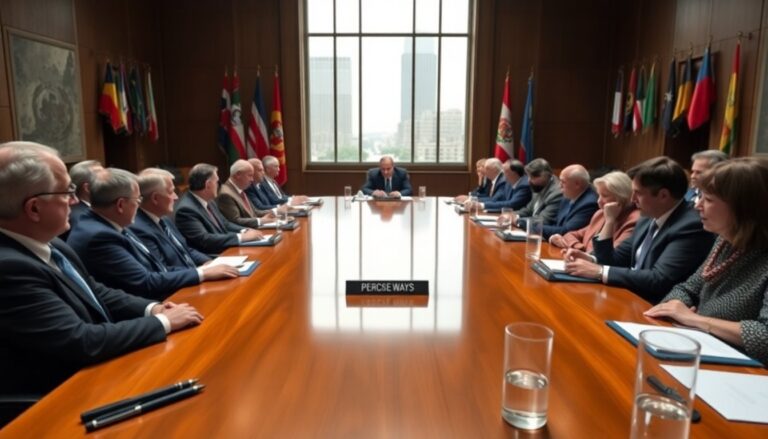
In an address at the United Nations, Russian Foreign Minister Sergey Lavrov clarified Russia’s intentions regarding its ongoing conflict with Ukraine. Lavrov stated that Russia has no aggressive intentions towards Europe. This statement aimed to alleviate fears of a broader military escalation.
The announcement occurs amid heightened tensions and speculation about the potential for further hostilities in the region.
Lavrov’s remarks reflect a dual approach: a commitment to peace talks with Ukraine while assuring European nations that they are not threatened by Russian military operations.
This diplomatic overture is crucial as it seeks to stabilize a precarious situation that has drawn significant international attention and concern.
The facts
According to official sources, Lavrov’s comments were made in a context of rising apprehensions about the conflict escalating beyond Ukraine’s borders.
The ongoing situation has prompted discussions in various international forums about the need for dialogue and conflict resolution.
The consequences
The response to Lavrov’s statements has been mixed. Some European leaders welcome the commitment to peace talks, while others remain skeptical about Russia’s true intentions. The geopolitical landscape continues to evolve, with potential implications for security and diplomacy in the region.
While Lavrov’s assurances may provide some reassurance, the situation remains intricate. The ongoing conflict in Ukraine has prompted Russia to undertake various military maneuvers, raising questions about its long-term objectives. Analysts contend that despite Lavrov’s statements, the military buildup and operations in Ukraine indicate that Russia may still pursue strategic goals that could impact regional stability.
The facts
The presence of unidentified drones over Danish airspace earlier in the week highlights the heightened state of alert across Europe. These incidents led to the closure of several Danish airports, underscoring ongoing concerns regarding military activities in the region. Such events illustrate the close connection between European security and the developments unfolding in Ukraine.
The consequences
The military operations not only exacerbate tensions but also raise fears about broader implications for European safety. The situation demands careful monitoring as nations assess the potential risks associated with Russia’s actions in Ukraine.
As Russia adjusts its military strategies, European nations are on high alert. The closure of airports due to drone sightings reflects a broader trend of heightened security measures across the continent. Countries are reevaluating their defense protocols, preparing for any unexpected escalations stemming from the ongoing conflict.
The facts
Dialogue remains crucial for both Russia and Ukraine. According to official sources, Foreign Minister Sergei Lavrov’s recent statement at the United Nations was not only a reassurance but also a call for renewed diplomatic engagement. He emphasized the need for negotiations, highlighting that peaceful resolutions are preferable to military confrontations. This approach is vital, as extended conflict often leads to severe humanitarian crises.
Potential pathways to resolution
Efforts to establish communication channels and negotiate ceasefires are necessary. Both nations must consider the impacts on civilians and the potential for long-term stability in the region. The international community’s role in facilitating these discussions could prove essential in achieving a lasting resolution.
For negotiations to succeed, both parties must be prepared to make concessions. The international community plays a crucial role in facilitating discussions between Russia and Ukraine. Initiatives aimed at dialogue can foster trust, which is essential for a lasting peace agreement. Furthermore, the engagement of European nations in these discussions may enhance the likelihood of achieving a mutually acceptable resolution.
Sergey Lavrov’s emphasis on peace talks highlights that the road to resolution is challenging but necessary. As tensions persist, the aspiration for a diplomatic breakthrough remains a significant focus for many stakeholders involved.
The facts
The consequences
Here are the facts: Lavrov’s statements may indicate a potential shift towards dialogue, but the situation remains unpredictable. The combination of military operations and diplomatic efforts necessitates careful monitoring. As Europe faces security concerns, the push for negotiations must be accompanied by concrete actions from both Russia and Ukraine.
The facts
The landscape of international relations is notably delicate. The world is observing as Russia attempts to reassure Europe while managing the complexities of its relationship with Ukraine. A commitment to peaceful dialogue is essential, but it will require continuous efforts and goodwill from all involved parties.
The consequences
Diplomatic engagements could lead to significant developments in the ongoing conflict. However, without genuine actions from both sides, any dialogue risks becoming ineffective. The international community remains watchful of these dynamics as they unfold.
