

**Exploring the Evolution of Sports and Their Cultural Significance** Delve into the captivating journey of sports through history, examining their transformative role in society and culture. Understand how sports have shaped communities, influenced social dynamics, and contributed to cultural identity. Explore the intersection of athleticism and cultural heritage, highlighting key milestones and the ongoing impact of sports on modern life.
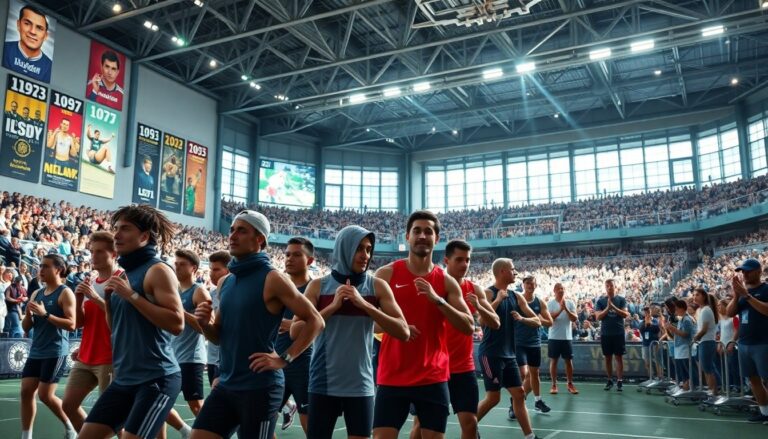
The world of sports has undergone significant transformation, reflecting societal, technological, and cultural changes. From ancient competitions to modern high-tech arenas, sports illustrate not only the physical prowess of athletes but also the context in which they operate. This article examines the various changes that have shaped the sporting landscape, focusing on technology’s impact, the rise of professionalism, and the growing emphasis on inclusivity.
The impact of technology on sports
Technology has played a crucial role in sports evolution, enhancing performance and viewer experience. Wearable technology, including fitness trackers and smartwatches, has revolutionized training methods. Athletes can now monitor their heart rate, stamina, and other vital statistics in real time, allowing for more personalized and effective training regimens.
Broadcasting advancements
Moreover, high-definition broadcasting has transformed how fans engage with their favorite sports. The ability to watch games in 4K resolution, combined with multi-angle viewing options and instant replays, creates a more immersive experience. Fans are no longer limited to their homes; they can experience the thrill of live events through virtual reality (VR) platforms, feeling as if they are part of the action.
The rise of professionalism in sports
As sports evolved, so did the concept of professionalism. Once dominated by amateur competitions, many sports have shifted towards a professional model where athletes are compensated for their skills. This change has led to the formation of professional leagues and the commercialization of sports, making them integral to the global economy.
The growth of professional sports has resulted in increased media coverage and sponsorship. Major events like the Olympics and the World Cup attract millions of viewers and generate significant revenue, underscoring the importance of sports in contemporary society. Athletes are now viewed as celebrities, often leveraging their platforms to promote brands and engage with fans.
Impact on grassroots sports
However, the rise of professionalism has not come without challenges. While elite athletes enjoy financial rewards and fame, grassroots sports often struggle for funding and attention. Communities are essential for nurturing young talent, making it vital to address disparities between professional and amateur levels. Programs that promote local sports can help bridge this gap, ensuring that everyone has access to athletic opportunities.
Promoting inclusivity in sports
In recent years, there has been a growing emphasis on inclusivity within sports. The movement towards embracing diversity has led to increased participation from underrepresented groups, including women and individuals with disabilities. Initiatives aimed at promoting gender equality in sports have gained momentum, with various organizations advocating for equal pay and opportunities for female athletes.
Adaptive sports and their significance
Additionally, the rise of adaptive sports has enabled athletes with disabilities to compete at high levels. Programs like the Paralympics showcase the talents of these athletes and foster a culture of acceptance and celebration of diversity in sports. The visibility of adaptive sports encourages societal change, cultivating a more inclusive environment for all athletes.
The evolution of sports in the modern era reflects broader societal changes, driven by advancements in technology, the rise of professionalism, and a commitment to inclusivity. As the sporting landscape continues to evolve, it is essential to maintain a balance between elite competition and grassroots participation, ensuring that sports remain accessible and enjoyable for all.
