

**Understanding the Impact of Incidents on Communities and the Significance of Effective Response Strategies** Gain insights into how various incidents influence community dynamics and explore the critical role that strategic responses play in mitigating effects and fostering resilience.
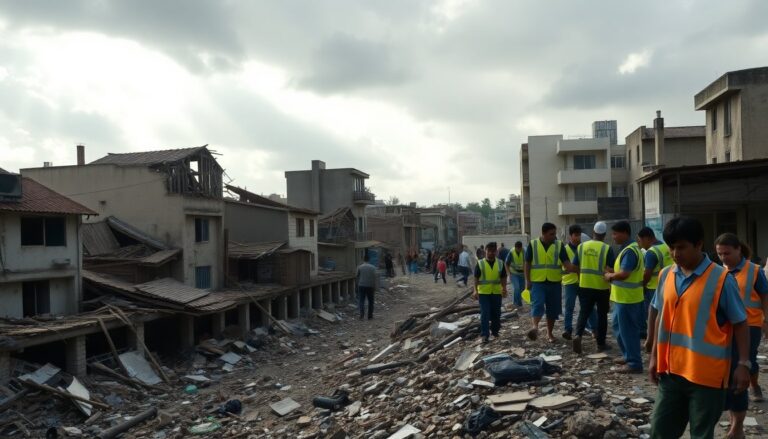
Incidents, whether natural disasters, accidents, or violent events, significantly impact communities. Understanding these effects is crucial for developing effective response strategies and fostering resilience. This article explores the types of incidents, their implications for communities, and steps to mitigate their effects.
Types of incidents and their consequences
Incidents can be categorized into several types, each with unique consequences. Natural disasters, such as hurricanes, earthquakes, and floods, can devastate communities, leading to loss of life, property damage, and long-term economic challenges.
Human-made incidents, including industrial accidents and transportation disasters, also pose significant risks.
Natural disasters
Natural disasters are often unpredictable and can strike with little warning. For example, a hurricane can cause severe flooding and infrastructure damage, affecting thousands of residents.
The aftermath often requires extensive recovery efforts. Communities may struggle to secure funding for rebuilding. Furthermore, the emotional toll on residents can be profound, as they grapple with loss and displacement.
Human-made incidents
Conversely, human-made incidents, such as industrial accidents, can lead to catastrophic outcomes. A chemical spill can contaminate air and water sources, endangering public health and safety. Communities affected by such incidents often experience long-term consequences, including health problems and economic downturns.
The emotional and social implications of incidents
Beyond physical destruction, incidents can have significant emotional and social implications for affected communities. The trauma experienced can lead to post-traumatic stress disorder (PTSD) and other mental health issues. Communities may struggle with feelings of helplessness and vulnerability, eroding trust among residents.
Community resilience
Building community resilience is essential for helping residents cope with the aftermath of incidents. Resilience refers to a community’s ability to recover from adversity and adapt to challenges. This can be achieved through effective communication, resource allocation, and community engagement. Initiatives promoting preparedness, such as emergency response training and disaster drills, play a vital role in enhancing resilience.
The role of support networks
Support networks, including local organizations and government agencies, are crucial in the aftermath of incidents. These networks can provide immediate assistance, such as food and shelter, while facilitating long-term recovery efforts. By fostering collaboration among various stakeholders, communities can rebuild more effectively and ensure that support reaches those in need. Psychosocial support services are equally important in helping residents address emotional challenges.
Strategies for incident preparedness and response
Preparedness is key to minimizing the impact of incidents on communities. Developing robust response strategies can save lives and reduce property damage. Communities should invest in emergency management plans that outline clear procedures for dealing with various types of incidents.
Training and education
Training and education are fundamental components of preparedness. Residents should be informed about the risks associated with different types of incidents and learn how to respond effectively. This includes understanding evacuation routes, assembling emergency kits, and practicing communication strategies with family members. Schools and local organizations can play a pivotal role in disseminating this information.
Investment in infrastructure
Investing in infrastructure is another critical strategy for enhancing community resilience. Upgrading roads, bridges, and public transportation systems ensures that residents can evacuate quickly and safely during a crisis. Additionally, enforcing building codes ensures that new constructions can withstand potential incidents, whether natural disasters or human-made events.
Incidents can be categorized into several types, each with unique consequences. Natural disasters, such as hurricanes, earthquakes, and floods, can devastate communities, leading to loss of life, property damage, and long-term economic challenges. Human-made incidents, including industrial accidents and transportation disasters, also pose significant risks.0
