

**The Wounded Knee Massacre: A Pivotal Moment in American History** The Wounded Knee Massacre stands as a significant event in American history, symbolizing the unresolved tensions between Native American tribes and the United States government. This tragic incident, which occurred on December 29, 1890, resulted in the deaths of hundreds of Lakota Sioux, highlighting the profound struggles for sovereignty and recognition faced by Indigenous peoples. Understanding the historical context and repercussions of the Wounded Knee Massacre is essential for comprehending the ongoing challenges and dialogues surrounding Native American rights and identity in contemporary society.
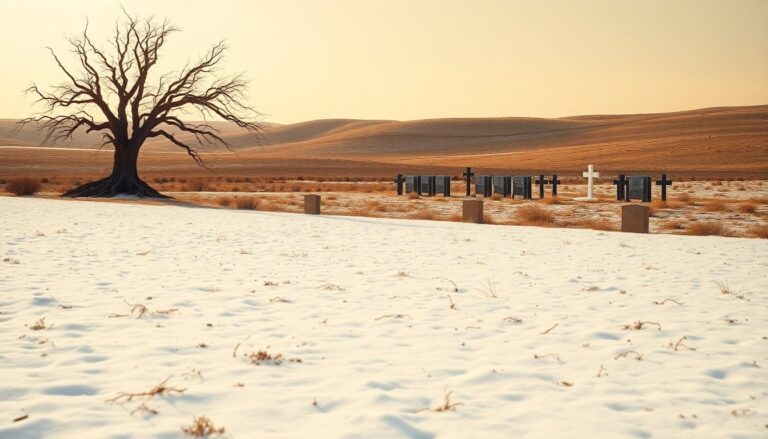
The Battle of Wounded Knee, commonly known as the Wounded Knee Massacre, took place on December 29, 1890, in South Dakota. This tragic incident resulted in the deaths of more than 300 members of the Lakota Sioux community, including women and children.
The massacre represents a significant and sorrowful chapter in the complex history between Native Americans and the United States government.
Government recognition and controversy
The Pentagon’s recent decision to uphold the medals awarded to U.S. soldiers involved in the Wounded Knee incident has sparked significant debate.
The National Congress of American Indians has voiced strong opposition, arguing that recognizing such actions equates to celebrating war crimes. Larry Wright Jr., the executive director of the Congress, stated that this decision undermines critical processes of truth-telling, reconciliation, and healing that remain urgently needed in both Indian Country and the broader United States.
Historical context of the massacre
The events at Wounded Knee mark the conclusion of the Indian Wars, a series of conflicts that resulted in the forced displacement of Native Americans from their ancestral territories to reservations. Secretary of Defense Pete Hegseth, during the administration of President Donald Trump, defended the decision to maintain the soldiers’ medals, asserting that this issue should not be subject to debate. Hegseth criticized previous administrations for placing political correctness above an accurate portrayal of historical events.
Legislative responses and historical acknowledgment
Following the massacre at Wounded Knee, Congress initiated efforts to recognize its historical significance. In 1990, lawmakers passed a resolution expressing deep regret for the conflict. This resolution acknowledged the suffering inflicted on the Sioux people, particularly the descendants of those directly impacted. Such formal recognition emphasizes the importance of addressing past injustices as a crucial step toward healing.
The role of military honors
The ongoing debate regarding military honors awarded for actions at Wounded Knee illustrates the complexities of American history. Native American communities continue to seek recognition and justice. Critics of the Pentagon’s decision to honor these medals contend that doing so perpetuates a narrative that neglects the devastating effects of such events on Indigenous peoples. They argue it is vital to confront the harsh realities of the past instead of overlooking them.
Contemporary implications and future considerations
The Pentagon’s decision has sparked further dialogue surrounding diversity, equity, and inclusion within military institutions. Under Hegseth’s leadership, the Pentagon has shifted its stance on acknowledging events and figures from diverse backgrounds. Notably, the contributions of the Navajo Code Talkers during World War II were overlooked in official narratives earlier this year.
As the United States confronts its historical legacy, the Wounded Knee massacre stands as a stark reminder of the repercussions of colonial expansion. It highlights the ongoing struggles for justice and recognition faced by Indigenous peoples. The decision to maintain military honors awarded for actions during this tragedy prompts critical discussions about accountability and the narratives the nation chooses to honor.
The legacy of the wounded knee massacre remains significant in current debates surrounding military honors and the acknowledgment of historical injustices. As society progresses, it is essential to engage in conversations about these topics. This dialogue ensures that the lessons from the past are not overlooked and that the experiences of those affected are acknowledged and respected.
