

Explore the Fascinating History and Culture of England: From Iconic Landmarks to Vibrant Traditions
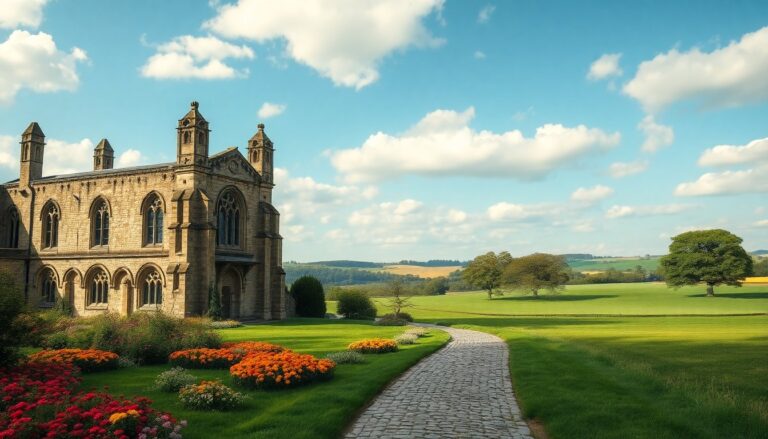
England, a land rich in history and culture, presents a fascinating mix of ancient traditions and modern innovations. With its historic landmarks and a vibrant arts scene, England has significantly influenced global culture. To truly grasp England’s identity, one must explore its past and the milestones that have shaped the nation.
The historical landscape of England
The history of England features pivotal events that have not only transformed the nation but also impacted the world. The Roman conquest in AD 43 brought advanced engineering and architecture, leaving behind impressive structures like Hadrian’s Wall.
This era was followed by the Anglo-Saxon period, which established the foundations of the English language and legal systems that are still in use today.
The medieval period and its impact
The medieval period marked a significant era of transformation.
The Norman Conquest in 1066 is often viewed as a pivotal moment, ushering in feudalism along with an impressive cultural and architectural renaissance. This period saw the rise of stunning castles and cathedrals that still capture the imagination today. Additionally, the Magna Carta, signed in 1215, emerged from these developments, laying the groundwork for limited government and influencing democratic movements around the globe.
England’s cultural heritage
England’s influence extends far beyond its historical milestones. The nation’s rich cultural contributions have shaped art, literature, and music on a global scale. Iconic literary figures such as William Shakespeare, Charles Dickens, and Virginia Woolf have profoundly impacted the literary landscape. Their works delve into the intricacies of human experience and reflect the evolution of societal norms, leaving a legacy that continues to resonate with audiences today.
The evolution of the arts in England
The arts in England have experienced significant growth through various movements. From the Romanticism of the 19th century to the modernism of the 20th, each era has left its mark. The Industrial Revolution played a crucial role in shaping artistic expression, fueling a wave of creativity. Today, England is home to a dynamic arts scene, with renowned institutions like the British Museum and the Tate Modern highlighting a rich array of works from different periods.
Culinary traditions and regional specialties
England’s culinary landscape reflects its rich history and diverse influences. Traditional dishes such as fish and chips, roast dinners, and full English breakfasts remain staples. Yet, the infusion of global flavors has transformed the food scene, with tastes from India, Italy, and beyond becoming increasingly popular. This trend highlights the importance of local produce, seen in the growth of farmers’ markets and a renewed focus on sustainable eating.
The role of pubs in English culture
No exploration of English culture would be complete without the iconic pub. These establishments are more than just places to enjoy a drink; they serve as community hubs where people come together to socialize and share stories. The tradition of the “local” pub nurtures a sense of belonging and continuity amid the evolving landscape of modern England.
Exploring the evolution of England’s history and culture
England’s history and culture form a rich tapestry that showcases a blend of influences developed over centuries. This nation is not just defined by its past but is a vibrant mosaic that continues to evolve.
From significant historical milestones to unique cultural contributions, England has played a pivotal role in shaping global narratives. Its story is one of resilience and creativity, captivating people worldwide.
