

**Empowering Program for Disabled and Autistic Women: Combating Domestic Violence** Join our transformative initiative dedicated to supporting disabled and autistic women in the fight against domestic violence. Our program offers essential resources, advocacy, and community engagement aimed at fostering safety, empowerment, and resilience. Together, we can create a supportive environment where every woman feels valued and protected.
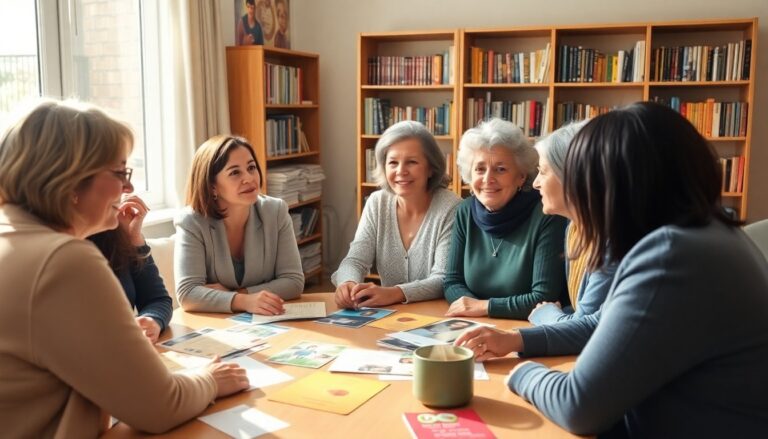
In a significant move towards supporting vulnerable populations, a new course has been introduced in Scotland specifically targeting women with disabilities and autism who experience domestic abuse. This trauma-informed program aims to provide vital resources and understanding to empower these women, allowing them to navigate their circumstances with greater confidence.
Launched by a dedicated charity, this initiative recognizes the unique challenges faced by disabled and autistic women in abusive situations. By offering specialized training, the program seeks to create a safe space where these women can share their experiences and learn practical strategies for self-advocacy.
The need for specialized support
Domestic abuse is a pervasive issue affecting individuals across various demographics, but those with disabilities often face additional barriers. Research indicates that disabled and autistic women are at a higher risk of experiencing violence, highlighting a critical gap in available support services.
This new course aims to bridge that gap by addressing the specific needs and experiences of these women.
Understanding trauma-informed care
The concept of trauma-informed care is central to this program. It emphasizes recognizing the impact of trauma on an individual’s life and behavior. By incorporating this approach, facilitators can create a nurturing environment that fosters healing and resilience. This method aids in recovery and equips participants with tools to manage their situations more effectively.
Participants will engage in interactive workshops designed to enhance their understanding of domestic abuse patterns and the resources available to them. These sessions will cover topics such as recognizing unhealthy relationships, establishing personal boundaries, and accessing local support services. By empowering women with knowledge, the program aims to reduce feelings of isolation and helplessness.
Building a community of support
One of the key components of the course is the emphasis on community building among participants. Women often feel isolated in their experiences, and this program aims to foster connections that can lead to lasting friendships and support networks. Through group discussions and shared experiences, participants can learn from one another and develop a sense of belonging.
Practical tools for empowerment
The course will also provide practical tools that participants can apply in their daily lives. Topics such as financial independence, legal rights, and mental health resources will be addressed to ensure that women leave the program feeling equipped to take action. Knowledge about self-advocacy will be a major focus, enabling women to articulate their needs and seek help when necessary.
Furthermore, the program will include sessions on navigating the healthcare system, understanding disability rights, and accessing social services. This comprehensive approach ensures that participants are aware of their rights and know how to effectively utilize available resources.
Long-term impact and future goals
The ultimate goal of this innovative course is to create lasting change in the lives of disabled and autistic women affected by domestic abuse. By equipping participants with the necessary skills and knowledge, the hope is to promote greater independence and self-determination. This initiative is not just about addressing immediate concerns; it seeks to empower women for a brighter future.
As the program rolls out across Scotland, there is optimism regarding its potential to make a significant impact. The charity behind the initiative is committed to ongoing evaluation, ensuring that the course remains relevant and effective. Feedback from participants will be essential in shaping future iterations of the program, allowing for continuous improvement and adaptation to meet the evolving needs of this vulnerable population.
Launched by a dedicated charity, this initiative recognizes the unique challenges faced by disabled and autistic women in abusive situations. By offering specialized training, the program seeks to create a safe space where these women can share their experiences and learn practical strategies for self-advocacy.0
