

Understanding the Impact of Incidents on Community Safety and Public Response
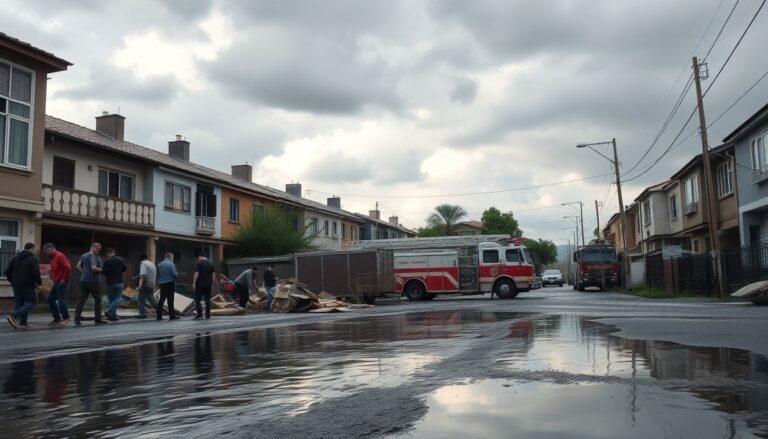
Incidents, including major accidents, natural disasters, or acts of violence, significantly impact communities. They can shift public perception, prompt policy changes, and increase residents’ feelings of vulnerability. Understanding these dynamics is essential for community leaders and citizens alike.
This article examines the nature of incidents, their effects on community safety, and the responses they elicit from various stakeholders.
Real-world examples will illustrate these points and offer insights into fostering resilience after such events.
The nature of incidents and their immediate effects
Incidents can be categorized into several types: accidents, natural disasters, and criminal activities. Each type generates different responses and has distinct implications for community safety.
For example, a natural disaster like a hurricane can cause widespread physical damage and displace residents, while violent crime can instill fear and anxiety in a community.
Accidents and their consequences
Accidents, such as traffic collisions or workplace incidents, often result in immediate physical harm and can strain local emergency services.
The aftermath may involve investigations, legal actions, and community meetings aimed at addressing safety concerns. Residents may begin to question the effectiveness of existing safety measures, altering their perception of safety.
Natural disasters and community response
Natural disasters present unique challenges due to their unpredictability and potential to affect large populations. Responses typically involve local government agencies, non-profit organizations, and community volunteers. For instance, after a significant flood, emergency services may implement evacuation plans, while community organizations set up shelters for those displaced.
The experience of a natural disaster can lead to long-term changes in community dynamics. Residents may become more involved in local planning and preparedness efforts, resulting in stronger ties and a collective push for enhanced safety measures.
The role of communication in incident management
Effective communication is vital in managing incidents and ensuring community safety. During and after an incident, timely and accurate information helps mitigate fear and confusion. Community leaders must prioritize transparent communication strategies to inform residents about risks, safety protocols, and recovery efforts.
Utilizing technology for better communication
With the rise of digital technology, many communities now use social media platforms and mobile applications to disseminate information quickly. For example, emergency alerts can be sent via text messages or social media updates, keeping residents informed in real-time. This approach enhances communication and allows for a more coordinated response among various organizations.
Fostering trust through engagement
Building trust between community leaders and residents is essential for effective incident management. When residents feel their concerns are acknowledged, they are more likely to cooperate during emergencies. Community forums and regular safety meetings can provide platforms for feedback, fostering a sense of shared responsibility for community safety.
Long-term implications and community resilience
Incidents can have lasting effects on communities, influencing everything from policy changes to social dynamics. After significant incidents, local governments may implement new regulations or invest in infrastructure improvements to prevent future occurrences. These changes can lead to enhanced safety protocols and better resource allocation.
This article examines the nature of incidents, their effects on community safety, and the responses they elicit from various stakeholders. Real-world examples will illustrate these points and offer insights into fostering resilience after such events.0
This article examines the nature of incidents, their effects on community safety, and the responses they elicit from various stakeholders. Real-world examples will illustrate these points and offer insights into fostering resilience after such events.1
