

Explore the Profound Impact of Sports on Culture and Community Engagement.
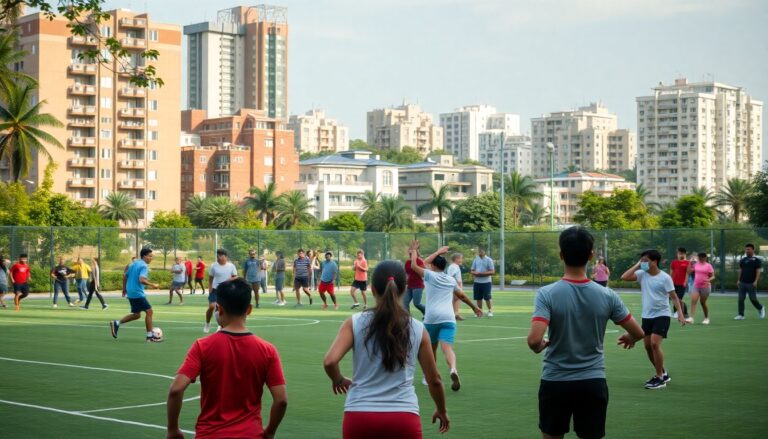
Sports have long been a crucial element of human culture, providing a platform for competition, entertainment, and community involvement. In recent years, the role of sports has evolved into a potent catalyst for social change and personal growth. This article explores the diverse impact of sports on society, emphasizing their capacity to foster community, facilitate cultural exchange, and promote health and well-being.
The role of sports in community building
One of the most significant contributions of sports to society is their ability to create communities. Local sports teams often serve as a gathering point for residents, uniting individuals from various backgrounds. Community engagement through sports not only strengthens social ties but also nurtures local pride.
Sports initiatives frequently lead to collaborations among schools, local governments, and businesses, forming an ecosystem that supports athletes and enthusiasts alike.
Grassroots movements and their impact
Grassroots sports movements have gained traction, particularly in underserved areas. These initiatives prioritize youth engagement, offering children opportunities to participate in sports that may otherwise be inaccessible.
By promoting participation at an early age, such programs cultivate a sense of belonging and teamwork, helping to develop future leaders and active citizens. Additionally, they often tackle pressing social issues like inequality, providing a forum for dialogue and action.
Sports as a catalyst for cultural exchange
Sports also play an essential role in advancing cultural exchange and understanding among diverse populations. Major sporting events, such as the Olympics and the FIFA World Cup, transcend national borders, allowing countries to display their culture while appreciating others. These events provide a platform for athletes to showcase their skills and cultural heritage, fostering respect and admiration globally.
The global impact of international competitions
International competitions often highlight narratives of unity and resilience. For instance, during the 2016 Olympics in Rio de Janeiro, athletes from various nations came together to celebrate their differences and achievements. Such occasions challenge cultural stereotypes and promote dialogue between nations, ultimately fostering peace and understanding. Moreover, they generate opportunities for local economies through tourism and international collaborations.
The health benefits of sports participation
The health advantages associated with sports participation are well-documented, positively affecting both physical and mental well-being. Regular involvement in sports can lead to improved cardiovascular health, increased muscle strength, and enhanced flexibility. More importantly, physical activity has been linked to better mental health outcomes, including reduced rates of anxiety and depression. As society increasingly recognizes the importance of well-being, the role of sports in promoting a healthy lifestyle is paramount.
Incorporating sports into daily life
Integrating sports into daily routines can be challenging for many, yet the importance of finding ways to engage in physical activity remains critical. Community centers, schools, and workplaces can play a vital role in encouraging participation by offering various sports programs. Initiatives like after-school sports clubs or corporate wellness programs not only promote physical health but also strengthen team cohesion and morale. As more individuals adopt an active lifestyle, the overall health of society improves.
The impact of sports on society transcends mere entertainment. Through community building, cultural exchange, and health promotion, sports serve as a powerful vehicle for social progress. Recognizing and leveraging the potential of sports is essential for creating a more inclusive and healthier world.
