

Embark on an enriching exploration of England's rich history and dynamic culture.
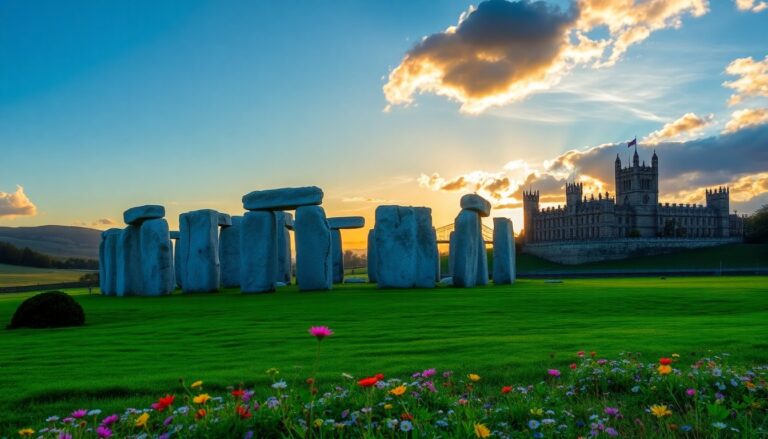
England, with its rich history and culture, has long fascinated travelers and historians. From the ancient Stonehenge to the lively streets of London, the country offers a wealth of historical significance and cultural depth. Its majestic castles, rolling countryside, and bustling urban centers provide myriad experiences that reflect its storied past.
This article examines the essence of England, focusing on its historical landmarks, cultural traditions, and the impact of its history on modern society.
The historical landmarks of England
When discussing England, its iconic historical landmarks cannot be overlooked. These sites attract millions of visitors annually and serve as a testament to the country’s rich heritage.
One notable landmark is the Tower of London, a UNESCO World Heritage Site. Originally built as a royal palace, it has served various purposes, including a fortress and prison, throughout the centuries.
The Tower of London
The Tower of London symbolizes England’s power and is steeped in intrigue and history.
It houses the Crown Jewels, including the stunning Imperial State Crown. Visitors can explore the White Tower, dating back to the 11th century, and learn about historical figures imprisoned within its walls, such as Anne Boleyn.
Another significant site is Stonehenge, a prehistoric monument that continues to intrigue archaeologists and historians. This massive stone circle, believed to have been constructed between 3000 BC and 2000 BC, showcases remarkable engineering and remains the subject of speculation regarding its purpose. Some theories propose it was used for astronomical observations, while others emphasize its significance in ancient rituals.
Cultural traditions and their significance
Beyond its landmarks, England is rich in cultural traditions that reflect its diverse heritage. From the solemnity of Remembrance Day to the vibrant celebrations of the Notting Hill Carnival, these traditions provide insights into English life. One enduring custom is the ritual of afternoon tea, which dates back to the early 19th century, typically involving a selection of teas accompanied by sandwiches, scones, and pastries.
Afternoon tea
The practice of afternoon tea was popularized by Anna, the Duchess of Bedford, who introduced it to stave off hunger between lunch and dinner. Today, this cherished tradition features elaborate tea settings and a sophisticated atmosphere. Many hotels and tearooms across the country offer afternoon tea experiences, allowing visitors to indulge in this quintessentially English custom.
Another significant cultural event is the annual Notting Hill Carnival, which celebrates the Caribbean culture thriving in London. This vibrant festival, held every August, features a colorful parade, live music, and numerous food stalls showcasing Caribbean cuisine. It exemplifies England’s multicultural society and the rich tapestry of influences that shape its cultural landscape.
The influence of history on modern England
The historical events that have shaped England are evident in its modern society. From the monarchy to the legal system, the country has evolved over centuries. The British monarchy, a cornerstone of English identity for over a thousand years, continues to play a significant role in national life. The pomp and pageantry surrounding royal events attract global attention, reinforcing the monarchy’s position as a symbol of continuity amidst change.
Furthermore, England’s colonial past has influenced its cultural diversity. The mingling of different cultures has created a unique societal fabric, which is evident in its cuisine, music, and art. Cities like London serve as vibrant melting pots, where one can experience a multitude of cultural expressions from around the world.
This article examines the essence of England, focusing on its historical landmarks, cultural traditions, and the impact of its history on modern society.0
