

Explore the Rich Cultural Heritage and Historical Depth of the United Kingdom.
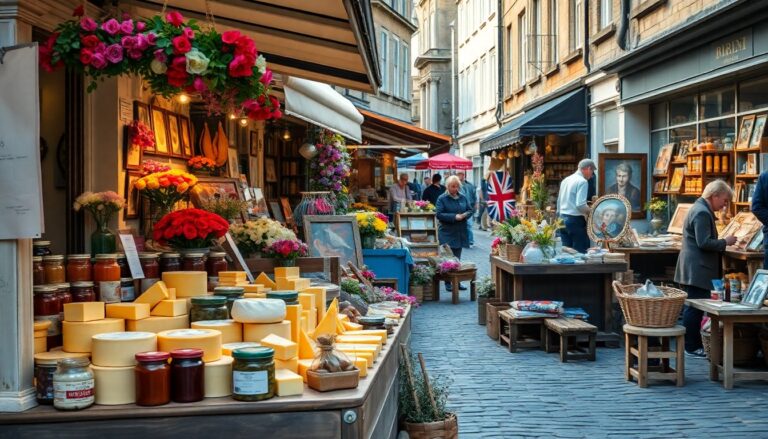
The United Kingdom stands as a vibrant tapestry of cultures, traditions, and histories, reflecting a complex past and a lively present. This rich blend showcases a multitude of influences, making the UK a significant hub for art, music, literature, and culinary experiences.
This article delves into the various aspects of British culture, highlighting their evolution and relevance in today’s society.
The historical roots of UK culture
Understanding the cultural landscape of the UK begins with its historical roots. Centuries of invasions, colonization, and migration have shaped the nation.
From the Roman Empire to the Norman Conquest, each period has left a lasting imprint on the identity of the UK. At its height, the British Empire spanned multiple continents, facilitating interactions among diverse cultures.
Global influences shape British culture
The United Kingdom, once a colonial power, has embraced a variety of global influences that enrich its cultural landscape. This diversity is particularly evident in the culinary sector, where dishes such as curry and Thai food have become integral to modern British cuisine. These influences extend beyond food, permeating music, art, and language as well. For example, British music showcases significant contributions from genres worldwide, including jazz, reggae, and hip-hop.
The arts as a reflection of society
The arts in the UK serve as a powerful reflection of society. From the timeless works of Shakespeare in the 16th century to the provocative pieces by contemporary artists like Damien Hirst and Tracey Emin, artistic expression in Britain has continually adapted to its changing social landscape. The British art scene is especially known for its ability to challenge societal norms and provoke critical thought.
Literature and its legacy
UK literature boasts a rich legacy, with influential authors such as Jane Austen, Charles Dickens, and Virginia Woolf shaping the fabric of English literature. Their works often address the social issues of their time, offering profound insight into Britain’s cultural psyche. Contemporary authors now carry this tradition forward, delving into themes of identity, race, and gender within their narratives.
Culinary diversity and its significance
The culinary diversity in the UK reflects its vibrant multicultural society. Traditional British fare has evolved, now incorporating flavors and techniques from various cuisines worldwide. The emergence of gastropubs and food festivals underscores this evolution, bringing together chefs and food enthusiasts to celebrate an array of culinary traditions.
Traditional versus modern cuisine
While classic dishes like fish and chips and shepherd’s pie continue to hold their place, there is an increasing appreciation for international flavors. The rise of food trucks and street food markets offers a new avenue for experiencing global cuisine in local neighborhoods. This fusion enriches the culinary landscape and fosters cultural exchange within communities.
Festivals as cultural expressions
Festivals are vital to the cultural fabric of the UK. Events such as the Edinburgh Festival Fringe, Notting Hill Carnival, and Glastonbury Festival highlight the country’s rich diversity in arts and cultures. These gatherings attract participants from various backgrounds, celebrating cultural heritage while fostering social cohesion and community spirit.
The cultural influences that shape the UK are extensive and multifaceted, reflecting its history and the dynamic interplay between tradition and modernity. As the UK continues to change, its cultural landscape will also evolve, providing fresh insights and experiences for residents and visitors alike. Appreciating this intricate tapestry is essential to understanding the unique identity that characterizes modern Britain.
