

**Gaza Peace Plan Analysis: Examining the Divergent Perspectives of Netanyahu and Trump** Explore the intricate dynamics surrounding the Gaza peace plan, highlighting the differing viewpoints of Israeli Prime Minister Benjamin Netanyahu and former U.S. President Donald Trump. This analysis delves into their respective stances, the geopolitical implications, and the potential impact on the Israeli-Palestinian conflict. **Key Highlights:** - In-depth examination of the Gaza peace plan's objectives and challenges. - Comparative analysis of Netanyahu's and Trump's strategies and proposals. - Insight into the historical context and current political climate influencing their views. - Implications for regional stability and international relations. Stay informed on this critical issue impacting global peace efforts and the future of the Middle East.
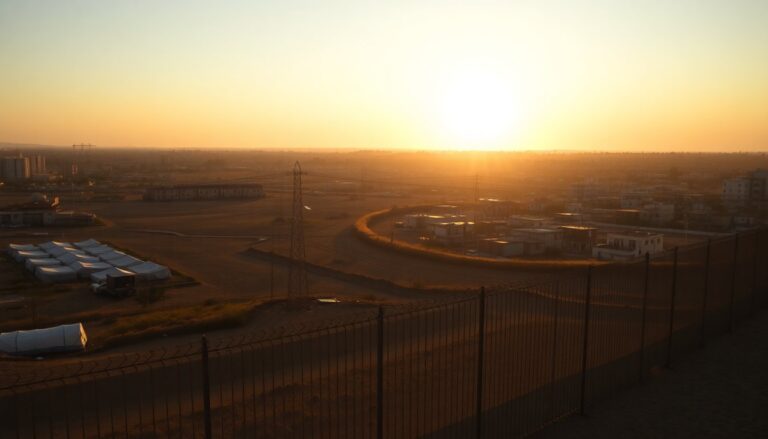
The ongoing conflict in Gaza has prompted a new peace initiative presented by U.S. President Donald Trump. He claims this initiative is nearing completion following discussions with Israeli Prime Minister Benjamin Netanyahu. However, the specifics of the plan indicate a considerable divergence in perspectives, especially regarding the governance of Gaza and the role of Palestinian leadership.
Trump’s ambitious peace proposal
In a recent press briefing, President Trump described the day as significant, suggesting that the proposed peace plan encompasses more than just Gaza. He highlighted that this initiative adopts a comprehensive approach aimed at achieving lasting peace in the Middle East.
According to Trump, the plan comprises twenty key points intended to address the complexities of the Israeli-Palestinian conflict.
Trump’s vision for Gaza cooperation
Former President Donald Trump has articulated a vision for addressing the security challenges in Gaza.
He emphasized the vital role that Arab nations would play in disarming Hamas. Trump expressed optimism regarding potential cooperation from these countries, suggesting they are already in discussions with Hamas to facilitate this effort.
His assertions are based on the belief that a collaborative international approach could dismantle militant infrastructures within Gaza. This includes targeting tunnels and weapon production sites associated with Hamas.
International oversight and governance
A key element of the proposed plan involves creating a new leadership structure for Gaza. This governance model suggests a non-partisan, technocratic body would oversee daily administration after the resolution of the conflict. An international oversight committee, referred to as the board of peace, would be tasked with implementing the peace plan and ensuring compliance from all parties involved.
Former President Trump expressed his willingness to lead this committee, emphasizing the importance of involving credible figures like former UK Prime Minister Tony Blair. The absence of Hamas from this governance model indicates a significant shift in power dynamics, suggesting that the group would relinquish its influence over Gaza’s future.
Netanyahu’s vision for peace contrasts with Trump’s
During a joint appearance with former President Donald Trump, Israeli Prime Minister Benjamin Netanyahu outlined his stance on the peace plan, which significantly diverges from Trump’s vision. Netanyahu emphasized that Israel would retain security responsibilities in Gaza, reflecting a commitment to a robust security perimeter that he intends to sustain for the foreseeable future. He indicated that governance in Gaza should be managed by an administration fostering peaceful relations with Israel, but not aligned with Hamas.
This viewpoint starkly contrasts with Trump’s proposal for a transitional Palestinian leadership selected through an international process. Netanyahu’s firm stance on Israel’s continued security oversight raises critical questions about the viability of Trump’s plan, particularly concerning Palestinian autonomy and self-determination.
The implications of Hamas’s role
The prospect of peace, as articulated by former President Donald Trump, depends on Hamas’s acceptance of the proposed terms. Analysts have indicated that this plan may be perceived as an ultimatum, compelling Hamas to disarm and relinquish power. Such a viewpoint raises significant concerns regarding how Palestinians will respond, with many viewing it as an imposition rather than a legitimate opportunity for peace.
Marwan Bishara, a political analyst, highlighted the potential consequences of this proposal. He suggested it might prompt Hamas to reevaluate its position amid ongoing violence. However, he warned that portraying the situation as one dominated by terrorist factions in Gaza could alienate numerous Palestinians who are seeking stability and peace.
Future outlook and skepticism
While former President Donald Trump expresses optimism about a potential resolution, skepticism persists among Palestinians and international observers. Many are concerned that demands for demilitarization and the removal of Hamas may not resonate with those residing in Gaza. According to Tareq Abu Azzoum, there is a strong desire for a cessation of hostilities; however, uncertainty surrounds whether the proposed plan offers adequate protections against future conflicts.
Additionally, the possibility of Hamas rejecting the proposal raises concerns about intensified Israeli military action. Trump’s assurances of U.S. support for Israel’s security measures complicate the situation, suggesting that the peace plan may inadvertently lead to further escalation instead of resolution.
The differing perspectives of Trump and Netanyahu highlight the complexities surrounding the peace process. Both leaders face the challenge of balancing their unique governance and security strategies in Gaza. Additionally, they must consider the Palestinian people’s aspirations for autonomy and lasting peace.
