

**Proposed Townhouse Development in Edinburgh Faces Flooding Concerns** The proposed plans for a new townhouse in Edinburgh are currently facing rejection due to significant flooding concerns. Local authorities have raised alarms regarding the potential impact of the development on the area's drainage systems and flood risk management. This situation highlights the ongoing challenges in urban planning and environmental sustainability, as developers must navigate regulatory hurdles to ensure safety and compliance. Stakeholders are encouraged to engage in dialogue to explore alternative solutions that can address both housing needs and environmental protection in the community.
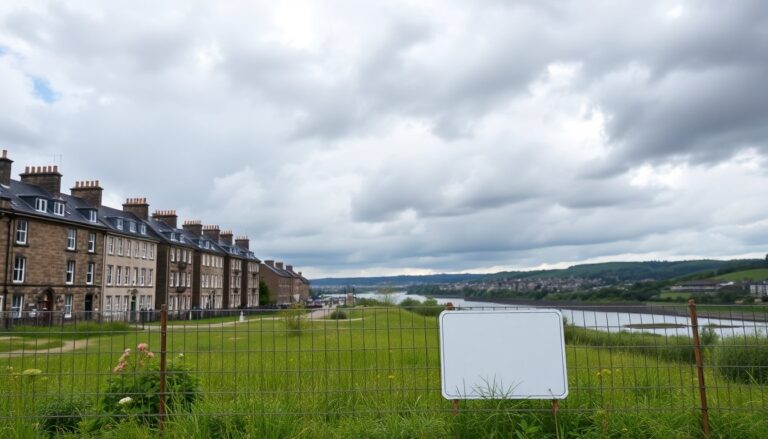
The city of Edinburgh has recently encountered a setback as plans for a new residential building have been halted. A proposed three-storey block intended to house 11 townhouse flats was rejected due to concerns about potential flooding in the area.
This decision underscores the ongoing challenges urban developers face when addressing environmental issues in their projects.
City officials and environmental agencies have become increasingly vigilant regarding flooding risks, particularly in the context of shifting climate patterns. The proposed development aimed to enhance housing availability in Edinburgh but raised significant alarms for local authorities.
Reasons for the refusal
The rejection was based on a thorough evaluation of the site’s geographical and climatic factors. The area has a history of water management issues, rendering it vulnerable to flooding during heavy rainfalls. Flood risk assessments indicated that constructing the housing block would significantly worsen these conditions.
Environmental assessments play a crucial role
Environmental assessments are a vital component of the planning process. In this case, the Environmental Impact Assessment (EIA) identified considerable risks associated with the proposed development. Experts highlighted that the addition of new residential units could increase surface runoff, which, combined with existing drainage challenges, might overwhelm local waterways.
Moreover, the assessments indicated that the construction could pose risks not only to future residents but also to neighboring properties. As urban areas grow denser, maintaining ecological balance becomes increasingly important.
Civic response and future implications
The community has responded positively to the decision, emphasizing the necessity for sustainable development practices. Local advocates contend that while the demand for housing is pressing, it should not compromise safety and environmental integrity. Many residents have voiced concerns about the city’s capacity to manage water runoff effectively, especially with the rising frequency of extreme weather events.
Looking ahead: balancing growth and safety
As the city considers future housing projects, it must find a way to balance the urgent need for new homes with the realities of climate change. Developers are now encouraged to adopt sustainable building practices and conduct comprehensive environmental evaluations prior to submitting proposals.
This incident serves as a reminder of the complex relationship between development and environmental stewardship. Stakeholders—including city planners, developers, and community members—must collaborate to ensure that future projects address both housing needs and the risks posed by flooding.
The rejection of the townhouse project in Edinburgh illustrates the critical importance of incorporating environmental considerations into urban planning. As the city looks forward, it must prioritize safety and sustainability to foster a resilient urban environment.
