

Explore the multifaceted layers of the United Kingdom's vibrant cultural heritage.
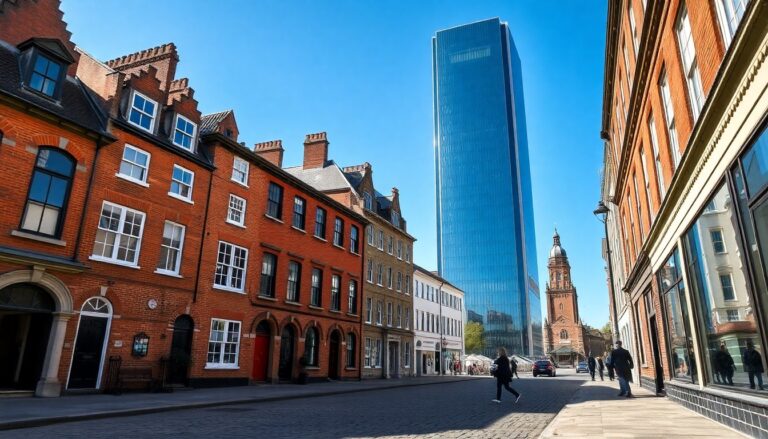
The United Kingdom (UK) is a nation rich in history, culture, and tradition. Comprising four countries—England, Scotland, Wales, and Northern Ireland—the UK has played a pivotal role in shaping the global cultural, political, and economic landscape. A nuanced understanding of its historical context reveals its ongoing significance on the world stage.
Key events have marked the history of the UK, including the Magna Carta of 1215, which established foundational principles for modern democracy. The industrial revolution in the 18th century further propelled economic growth and technological innovation, establishing the UK as a leader across various sectors.
Today, it remains a vibrant hub for culture, education, and innovation.
Historical landmarks and their significance
No discussion of the UK is complete without acknowledging its historical landmarks. The Tower of London, a UNESCO World Heritage Site, stands as a testament to the nation’s complex past.
Originally constructed in 1066, it has served multiple purposes, including a royal palace, prison, and treasury. Visitors can admire the Crown Jewels and explore the rich narratives surrounding the notable figures who inhabited its grounds.
The role of castles in UK history
Castles scattered across the British landscape narrate stories of battles, royalty, and defense. Edinburgh Castle, perched atop volcanic rock in Scotland, has been a formidable stronghold for centuries. Its imposing presence symbolizes Scotland’s historical resistance against English rule and evokes a sense of national pride. Each castle carries its own tale, reflecting the local history and heritage.
Cultural traditions and influences
The UK is celebrated for its rich cultural traditions. The British monarchy remains a central figure, attracting visitors from around the globe. Events like Trooping the Colour and royal weddings are marked with great pomp, showcasing long-standing customs that instill a sense of national identity and continuity, linking past and present.
Moreover, the UK has made substantial contributions to literature, music, and the arts. Iconic figures such as William Shakespeare and The Beatles have left an indelible mark on global culture. Literary festivals and music events, such as the Glastonbury Festival, celebrate this creative spirit, drawing artists and audiences from across the world.
Modern influences and global presence
In the contemporary landscape, the UK continues to wield significant influence. The British educational system is highly esteemed, with institutions like Oxford and Cambridge at the forefront of innovation and research. This educational strength solidifies the UK’s position as a global leader in technology and science.
Furthermore, the UK plays a crucial role in international politics, being a permanent member of the United Nations Security Council and an integral participant in organizations such as NATO and the Commonwealth. Its active engagement in global issues, including climate change and international security, underscores its dedication to fostering global cooperation.
The future of the UK
As the UK faces the complexities of a post-Brexit reality, discussions about its future abound. The decision to exit the European Union has sparked debates concerning trade, immigration, and national identity. However, the UK’s resilience and capacity for adaptation are evident. Its ability to innovate and embrace change will shape its future trajectory.
The United Kingdom exemplifies the interplay of history, culture, and modernity. Its rich heritage, punctuated by significant events and cultural milestones, continues to impact not only its citizens but also the wider world. Exploring the UK provides a glimpse into a nation that has evolved while remaining deeply connected to its past.
