

Asia Cup Triumph: India Celebrates Victory Amidst Political Tensions with Pakistan India's recent victory in the Asia Cup has been a remarkable achievement for the national cricket team, showcasing their skill and determination on the international stage. However, this celebration is overshadowed by ongoing political tensions with Pakistan, highlighting the complex relationship between the two nations. The triumph, while a source of national pride, also serves as a reminder of the challenges...
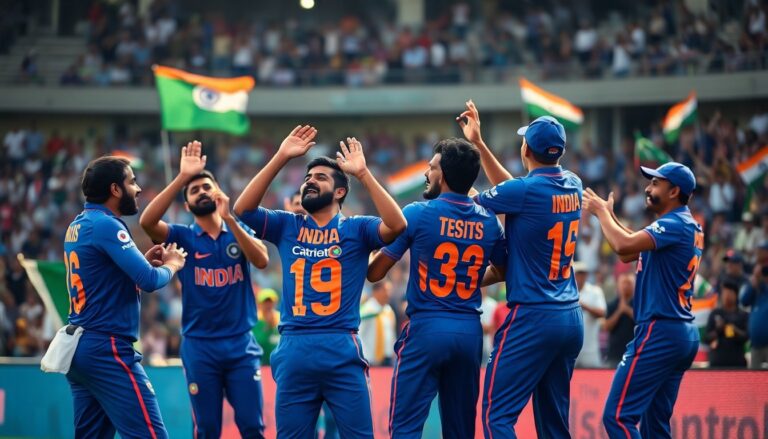
The Asia Cup final in Dubai highlighted not only cricketing skills but also the persistent tensions between India and Pakistan. Following their victory, the Indian team, under captain Suryakumar Yadav, chose to engage in mock celebrations instead of collecting the trophy.
This unusual decision reflects the growing political influences affecting sporting events between the two nations.
India’s refusal to interact with officials from the Pakistan Cricket Board, especially Mohsin Naqvi, the board’s president and Pakistan’s interior minister, underscores the diplomatic rifts that have plagued their relationship for years.
The outcome of this tournament serves as a reminder of the intricate ties between sports and politics in the region.
Context of India-Pakistan relations
Historically, India-Pakistan relations have been marred by violence and mistrust, especially following the devastating terrorist attacks in Mumbai in 2008.
Efforts to improve these relations have faced numerous setbacks, further strained by incidents like the recent attack in Pahalgam, which resulted in the deaths of 26 civilians. Prime Minister Narendra Modi publicly blamed Pakistan for this incident, a claim that the Pakistani government has denied—intensifying an already volatile situation.
Impact on sports
The effect of politics on sports was evident during the Asia Cup, which proceeded amid geopolitical tensions. The Indian cricket board, influenced by Modi’s ruling BJP party, instructed players to avoid any physical interaction with their Pakistani opponents. This directive contributed to an atmosphere of hostility that overshadowed the competition.
During the tournament, the two teams faced each other three times, with India winning each match. However, these matches were not free from controversy; players from both sides faced penalties for crossing into political territory. For instance, after a match, Suryakumar Yadav dedicated the victory to the Indian armed forces, resulting in a 30% deduction from his match fee due to ICC regulations against political statements.
Pantomime celebrations and controversy
In a striking display, the Indian team staged an imaginary celebration with a trophy they refused to formally accept after their win. This act underscored the absurdity of the situation and served as a symbolic gesture of their stance against engaging with Pakistani officials. The Indian board’s secretary, Devajit Saikia, articulated their position, stating, “We will not collect the Asia Cup trophy from the ACC chairman, who represents Pakistan. However, we expect the trophy and medals to be returned to India soon.”
Future encounters and implications
The upcoming women’s World Cup match between India and Pakistan in Colombo will further test these fragile relations. As both teams prepare for this encounter, the anticipation is mixed with the understanding that the political climate will inevitably overshadow the contest. The relationship between sports and politics remains fraught, and this match could again illustrate the complexities involved.
As cricket continues to be a platform for national pride, the enduring tensions between India and Pakistan pose challenges for players and fans alike. The mock trophy celebration at the Asia Cup final may have been an attempt to preserve some joy in victory, yet it also highlights the reality that sports cannot easily detach from the grip of geopolitics.
The Asia Cup victory is a source of pride for India, reflecting the ongoing struggles between the two nations. As both countries navigate their intertwined histories and the implications of current events, the world will be watching closely, hoping for a future where sports can unite rather than divide.
