

Explore the vibrant cultural heritage and historical significance of the United Kingdom. Discover its diverse traditions, iconic landmarks, and influential figures that have shaped its identity over the centuries.
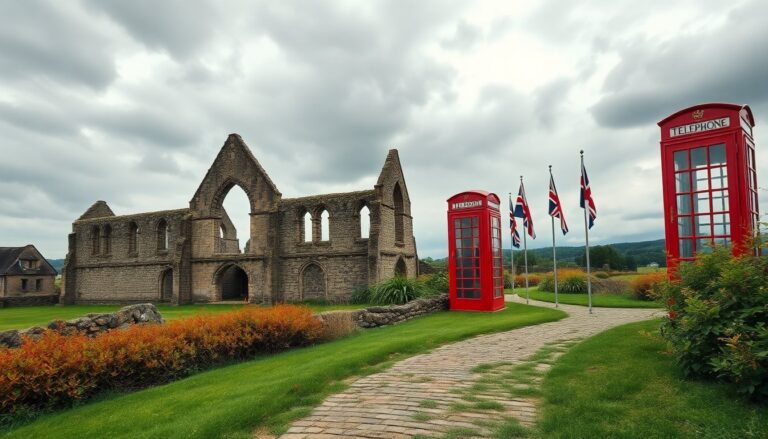
The United Kingdom, often referred to as the UK, consists of England, Scotland, Wales, and Northern Ireland. This nation is recognized for its diverse culture and rich historical background that have shaped its identity over centuries. From ancient Celtic civilizations to a modern multicultural society, the UK has been a melting pot of influences that contribute to its unique character.
Understanding these elements is crucial for appreciating their profound impact on the world stage.
A historical overview of the United Kingdom
The history of the United Kingdom is a complex narrative filled with triumphs, conflicts, and transformations. The early settlers of the British Isles were the Celts, who established tribal kingdoms.
The arrival of the Romans in AD 43 marked a significant change. The Romans introduced advanced infrastructure, including roads and cities, laying the groundwork for future development.
The medieval era and the rise of monarchies
Following the Roman withdrawal in the 5th century, the UK saw the rise of the Anglo-Saxon kingdoms.
This period was marked by a series of invasions, notably from the Vikings, which shaped the political landscape. The Norman Conquest in 1066 under William the Conqueror was pivotal, leading to a centralized monarchy. The feudal system emerged, influencing society and governance.
As the medieval era progressed, the UK experienced significant events such as the Magna Carta in 1215. This document laid the foundation for modern democracy by limiting the king’s power and establishing legal rights for subjects. It is hailed as a cornerstone of individual rights and governance, influencing legal systems worldwide.
The cultural evolution of the United Kingdom
The cultural landscape of the United Kingdom is as varied as its history. The influence of literature, music, and the arts has been profound, with figures like William Shakespeare, who redefined English literature through his plays and sonnets. The Elizabethan era marked a golden age of arts, with contributions from playwrights and poets that continue to resonate today.
Modern influences and multiculturalism
In the 20th century, the UK underwent significant changes due to industrialization and globalization. The Industrial Revolution transformed the economy and society, leading to urbanization and the rise of the working class. This period also saw the expansion of the British Empire, bringing diverse cultures into contact, resulting in a unique blend of traditions, languages, and customs.
Today, the UK is celebrated for its multiculturalism, with influences from around the globe enriching its cultural fabric. Cities like London, Birmingham, and Manchester showcase a variety of ethnic communities, contributing to a vibrant cultural scene that includes food, festivals, and artistic expressions from different backgrounds. This modern identity reflects a society that embraces diversity and inclusion.
The UK’s significance on the world stage
Reflecting on the historical and cultural evolution of the United Kingdom reveals its influence extends far beyond its borders. From pioneering advancements in democracy and human rights to shaping global cultural trends, the UK continues to play a crucial role in world affairs. Its rich tapestry of history and culture not only defines its identity but also provides a foundation for future generations.
The United Kingdom is more than a geographical entity; it is a mosaic of experiences, traditions, and innovations that contribute to a global narrative. As the world becomes increasingly interconnected, understanding the UK’s journey offers valuable insights into the complexities of cultural dynamics and historical legacies that shape our present and future.
