

Birdwatching Enthusiast: Enjoying Nature Without Attracting Pests Discover the joy of birdwatching while ensuring a pest-free experience. Learn effective strategies to attract beautiful birds to your garden or local spot without the concern of drawing in unwanted rodents. Key Insights: Bird-Friendly Practices: Implement techniques that encourage bird visitation, such as using native plants and bird feeders designed to minimize seed spillage. Pest Prevention Tips: Explore methods to deter...
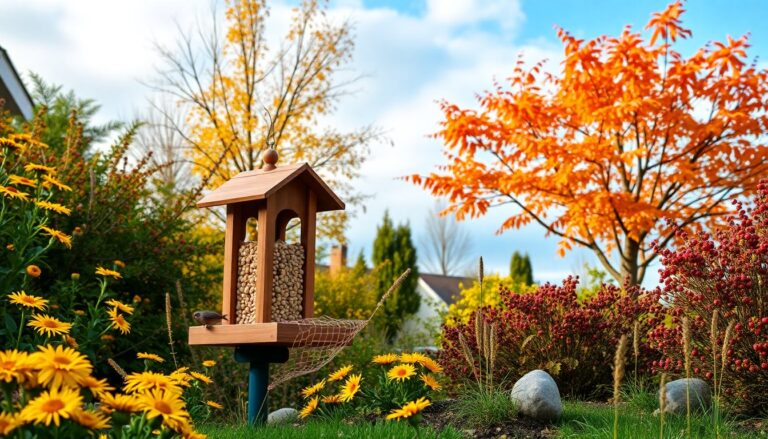
As the days shorten and the air cools, autumn unveils a vibrant display of colors and seasonal transformations. This time of year often motivates individuals to maintain their bird feeders, offering nourishment to local wildlife. However, the potential for attracting rats can discourage many from continuing this fulfilling activity.
Fortunately, employing effective strategies allows you to cultivate a sanctuary for garden birds without inviting unwanted guests.
According to bird feeding expert Lucy Taylor of Vine House Farm Bird Foods, it is entirely possible to sustain a bird-friendly garden while minimizing the risk of rodent infestations.
With a few simple adjustments, you can ensure that your feathered friends enjoy their meals without interference from pesky rats.
Understanding the rat problem
Rats, commonly known as brown rats or common rats, are unwelcome visitors for most gardeners. Their introduction to the UK in the early 18th century, likely via ships from Asia, has facilitated their widespread presence.
Not only do they threaten the health of plants and structures, but they are also known carriers of diseases and can reproduce rapidly, leading to larger populations.
Identifying potential attractants
One primary reason rats may invade your garden is the use of poor quality bird food. Many inexpensive seed mixes contain fillers such as wheat and pulses, which birds typically ignore. These fillers often fall to the ground, creating a buffet for hungry rodents. Lucy emphasizes that investing in high-quality bird food, such as sunflower hearts, can significantly reduce waste and decrease the chances of attracting rats.
Practical steps to deter rats
To effectively feed birds while keeping rats at bay, consider the following strategies:
1. Choose the right bird food
High-quality seed mixes are more appealing to birds and less likely to be discarded. This means that less food will end up on the ground, where rats can easily access it. By avoiding cheap fillers, you not only enhance the dining experience for your garden birds but also minimize the leftover scraps that could attract rodents.
2. Enhance feeder placement
While rats are capable climbers, the design of your bird feeders can play a significant role in deterring them. For instance, using smooth metal poles for hanging feeders can prevent rats from climbing up. Additionally, attaching a plastic baffle beneath your feeders can act as a barrier. Although these devices are often marketed for keeping grey squirrels away, they work equally well against rats.
3. Mind your feeding schedule
For ground-feeding birds, such as blackbirds and robins, providing a tray or dish can be beneficial. However, leaving these feeders out overnight can be an open invitation to rats. To combat this, Lucy suggests storing ground feeders in a secure location, such as a garage, during the night. This simple measure can significantly reduce the risk of attracting unwanted visitors.
Creating a bird-friendly environment
By implementing these straightforward tips, you can enjoy the beauty of garden birds while maintaining a rodent-free space. Providing high-quality food, using effective feeder designs, and establishing a routine for storing feeders can make a world of difference.
As the season progresses and the nights grow colder, keeping your garden welcoming for birds can be a rewarding endeavor. With careful attention to the types of food you provide and how you manage your feeders, you can create a sanctuary that supports local wildlife without the worry of attracting rats.
