

Explore the rich history and dynamic culture of England.
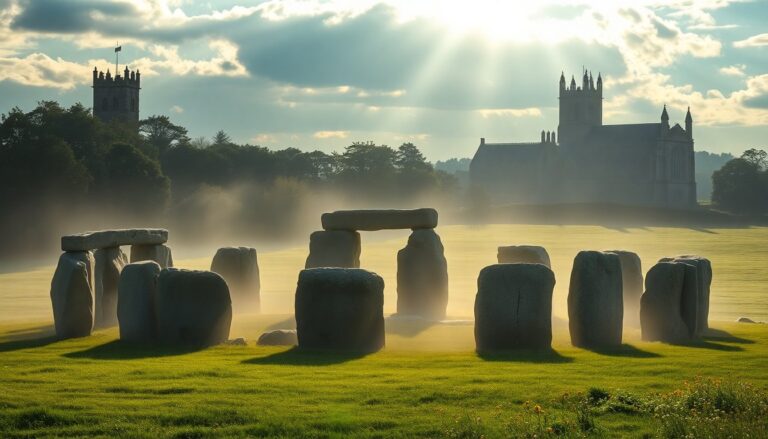
England, a country steeped in rich history and vibrant culture, offers a tapestry of experiences for visitors and locals alike. From its ancient stone circles to its bustling modern cities, England’s past and present coexist in harmony. This article explores the historical significance, cultural landmarks, and traditions that define this remarkable nation.
The historical significance of England
England’s history stretches back thousands of years, marked by significant events that have shaped its identity. The Roman occupation from AD 43 to AD 410 laid the foundation for many towns and cities, with remnants of Roman architecture still visible today.
The most notable among them is the Roman Baths in Bath, a testament to engineering prowess and cultural exchange.
The Norman Conquest
In 1066, the Norman Conquest drastically altered the political landscape of England. William the Conqueror’s victory at the Battle of Hastings led to the establishment of a new ruling class and the construction of iconic structures such as the Tower of London.
This fortress served as a royal palace, prison, treasury, and the site of many significant events in English history, including the crowning of monarchs.
Cultural landmarks of England
England is home to numerous cultural landmarks that reflect its diverse heritage. From historic castles to contemporary art galleries, these sites provide insight into the nation’s evolution. The British Museum in London houses a vast collection of art and antiquities, showcasing the global influences that have shaped British culture.
Shakespeare’s legacy
The influence of William Shakespeare, one of England’s most celebrated playwrights, is evident throughout the country. His birthplace, Stratford-upon-Avon, attracts visitors eager to explore the Bard’s life and works. The Globe Theatre in London, a reconstruction of the original venue where Shakespeare’s plays were performed, continues to captivate audiences with its dynamic productions.
The tapestry of English traditions
England’s traditions are a vibrant mix of ancient customs and modern practices. One notable tradition is the annual celebration of Guy Fawkes Night, which commemorates the foiling of the Gunpowder Plot in 1605. This event is marked by bonfires and fireworks, symbolizing the victory of Parliament over tyranny.
Festivals and celebrations
Throughout the year, England hosts various festivals that reflect its cultural diversity. The Notting Hill Carnival, held annually in London, celebrates Caribbean culture with a vibrant parade and street festival. Similarly, the Edinburgh Festival Fringe, although primarily associated with Scotland, attracts performers and audiences from all over the UK, showcasing the collaborative spirit of British arts.
Another important aspect of English culture is its culinary heritage. Traditional dishes such as fish and chips and Sunday roast are quintessentially English, while the rise of contemporary cuisine has led to a fusion of flavors from around the world. The Great British Bake Off has further popularized baking, inspiring home chefs to experiment with traditional recipes.
The modern face of England
Today, England is a dynamic country that embraces its history while looking towards the future. Cities like London, Manchester, and Birmingham are bustling metropolises that blend tradition with innovation. The tech industry is rapidly growing, particularly in regions like East London, known as Silicon Roundabout, which is home to numerous startups and tech firms.
England’s rich history, cultural landmarks, and vibrant traditions create a unique tapestry that continues to evolve. Whether exploring ancient ruins, enjoying modern festivals, or indulging in its culinary delights, England offers an array of experiences that reflect its storied past and dynamic present.
