

Explore the rich layers of history and culture that shape the United Kingdom.
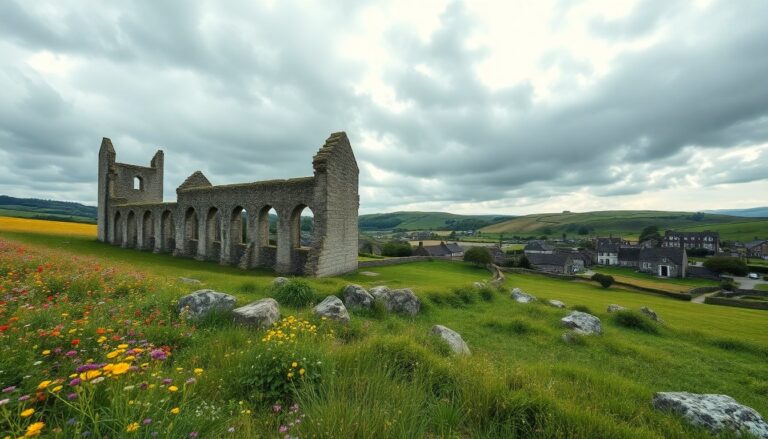
The United Kingdom boasts a multifaceted history and a dynamic cultural landscape. Comprising four countries—England, Scotland, Wales, and Northern Ireland—the UK serves as a melting pot of traditions, languages, and influences that have shaped its identity through the ages. This article explores the rich cultural tapestry of the UK, focusing on how historical events, societal changes, and artistic expressions contribute to its distinctive character.
The historical backdrop of the UK
The history of the UK is characterized by its monarchies, colonialism, and key moments that have influenced its global standing. Significant events, from the Roman invasion to the Industrial Revolution, place the UK at the forefront of historical transformations.
These moments have not only impacted its political landscape but also left lasting impressions on its culture.
The impact of the monarchy
The British monarchy significantly influences the cultural identity of the UK. Historical figures such as Queen Elizabeth I and King Henry VIII served not only as political leaders but also as cultural patrons.
They supported the arts and drove societal changes. The ongoing presence of the royal family remains central to traditions like the Trooping the Colour and the annual State Opening of Parliament. These events highlight the UK’s rich heritage.
The language and its evolution
The evolution of the English language presents an intriguing facet of UK culture. Initially shaped by Old English, the language has integrated elements from Latin, French, and Norse throughout its history, influenced by invasions and conquests. Today, English serves as a global lingua franca, yet its foundations are deeply rooted in the history of the UK.
Diversity in dialects and accents
The dialects and accents found throughout the UK highlight its rich cultural diversity. From the distinct Geordie spoken in Newcastle to the unique Cockney of London, each region showcases its own linguistic characteristics and expressions. This variety not only enhances the cultural landscape of the UK but also fosters a sense of pride among local communities.
The arts: A reflection of society
Art and literature have long been integral to the UK’s cultural identity. The timeless works of celebrated authors such as William Shakespeare and Jane Austen continue to resonate worldwide, delving into universal themes of love, power, and social class. Likewise, the UK’s dynamic art scene, ranging from British Romanticism to contemporary installations, mirrors an ongoing conversation between historical influences and modern expressions.
The UK’s global influence in music
The UK has established itself as a significant force in the music industry, giving rise to influential genres such as rock, punk, and grime. Iconic bands like The Beatles and The Rolling Stones have created a lasting impact, shaping the music landscape across the globe. Contemporary artists continue to push boundaries, merging traditional sounds with modern influences, which highlights the UK’s vibrant and evolving musical scene.
Additionally, the UK’s renowned annual music festivals, including Glastonbury and Reading, draw thousands of attendees each year. These events celebrate the rich diversity of the nation’s musical heritage and offer a platform for both established and emerging talents.
Challenges and the future of UK culture
The United Kingdom, known for its rich cultural heritage, is currently navigating significant challenges in preserving its identity in an era of globalization. The growing influx of immigrants has introduced a variety of new cultures and languages, contributing to a more multicultural society. While this diversity enriches the cultural landscape, it also presents complex questions regarding the preservation of traditional practices and languages.
The future of UK culture will largely depend on how these challenges are addressed. Initiatives focused on promoting cultural education and encouraging community engagement are essential. Such efforts will play a vital role in ensuring that the diverse and vibrant tapestry of the UK’s culture continues to thrive in the years to come.
The cultural landscape of the United Kingdom reflects a rich tapestry woven from history, language, art, and social changes. This dynamic environment continues to develop, highlighting the importance of celebrating and preserving the diverse influences that have shaped the nation’s identity. Understanding this heritage is crucial for future generations, allowing them to appreciate and learn from the UK’s multifaceted past.
