

Explore the rich tapestry of the UK's cultural heritage, highlighting the interplay between historical legacies and contemporary influences.
Understanding the cultural landscape of the United Kingdom
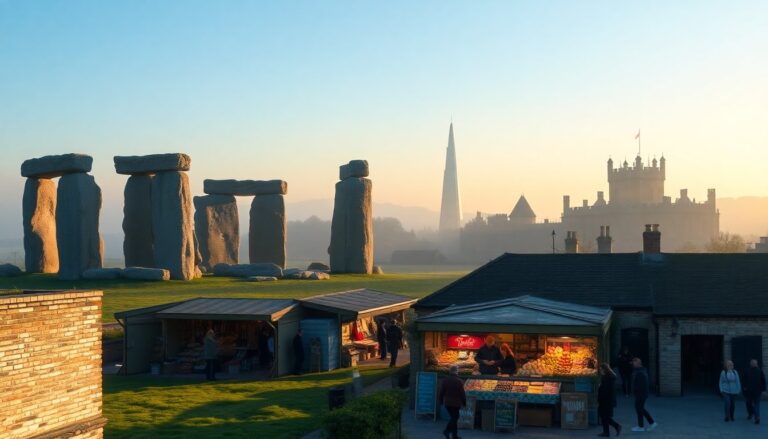
The United Kingdom is a tapestry woven from threads of history, tradition, and modernity. Its rich cultural heritage reflects the society’s evolution over centuries. From the ancient ruins of Stonehenge to the lively streets of London, each region presents a unique story that shapes the national identity.
This article examines the key elements that define the UK’s cultural landscape, focusing on both historical roots and contemporary significance.
Historical influences shaping the UK
The history of the UK is marked by a variety of significant influences, largely due to its geographical location and colonial legacy.
The Roman occupation had a lasting effect on the nation’s infrastructure, governance, and cultural development. Additionally, the Norman Conquest of 1066 introduced major shifts in language and architecture. This period also saw the establishment of the feudal system, which transformed social structures and laid the foundation for modern governance.
The impact of the Industrial Revolution
The Industrial Revolution of the 18th and 19th centuries significantly transformed the United Kingdom. This era reshaped the economy and sparked profound social changes. Urbanization fueled the growth of cities like Manchester and Birmingham, which emerged as vibrant cultural centers. This period also saw the rise of various social movements, notably the Chartist Movement, which championed workers’ rights and demanded democratic reforms.
Modern cultural identity
Today, the cultural identity of the UK is a rich tapestry, blending elements from music, literature, and cuisine. The British music scene has introduced globally acclaimed artists and diverse genres, ranging from The Beatles to contemporary grime musicians. This musical evolution mirrors the significant social changes and multicultural influences that have shaped the nation.
Literature as a reflection of society
British literature represents a fundamental aspect of the UK’s cultural heritage. Authors such as William Shakespeare and Jane Austen provide valuable insights into the societal norms of their respective eras. Modern literature thrives today, with writers like Zadie Smith and Salman Rushdie addressing themes of identity, immigration, and cultural diversity. Their works act as a mirror reflecting the evolving British identity, highlighting the complexities and richness of contemporary society.
The significance of festivals and traditions
Festivals and traditions are integral to the cultural fabric of the UK. Events such as the Notting Hill Carnival highlight London’s vibrant multiculturalism. Meanwhile, traditional observances like Guy Fawkes Night and Christmas reflect the country’s rich historical narratives. These celebrations not only preserve cultural practices but also strengthen community bonds, uniting individuals from diverse backgrounds.
The importance of culinary traditions
The culinary landscape of the UK has evolved significantly due to global migration and innovation. Traditional dishes like fish and chips now coexist with a variety of international cuisines. This variety reflects the multicultural fabric of British society. The rise of food festivals and markets highlights the importance of culinary heritage today, showcasing both local produce and global flavors.
The cultural heritage of the UK is a dynamic interplay of historical influences and modern expressions. Understanding this rich tapestry enhances appreciation for the complexities of British identity. As the UK adapts and changes, its cultural heritage remains a vital aspect of its national narrative, paving the way for future generations to explore and celebrate.
