

Investigate the Significant Influence of Incidents on Community Dynamics and Engagement.
Incidents, whether they are natural disasters, accidents, or social events, significantly impact communities. Understanding these impacts is essential for developing effective responses and resilience strategies. This article explores various types of incidents and their profound effects on local populations, emphasizing the importance of community resilience and preparedness.
The nature of incidents
Incidents can be broadly categorized into three types: natural disasters, human-made accidents, and social incidents. Each category presents unique challenges and elicits different responses from affected communities.
Natural disasters
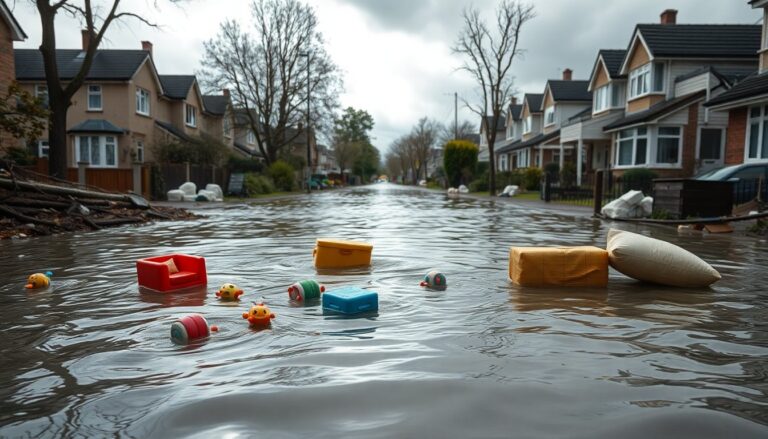
Natural disasters, such as earthquakes, floods, and hurricanes, often strike without warning, leaving communities in shock.
The immediate consequences can be devastating, resulting in loss of life and property. Resilience in these situations is crucial. Communities that have prepared through training and resource allocation tend to respond more effectively. For instance, the Hurricane Katrina response underscored the need for effective evacuation plans and community awareness programs.
Recovery from such events can span years, with long-term effects including economic downturns and psychological challenges for residents. Initiatives like community rebuilding programs and mental health support are vital for restoring a sense of normalcy and security.
Human-made accidents
Human-made accidents, such as industrial spills or transportation incidents, can have severe consequences as well. These events often lead to environmental damage and health risks for local populations. A notable example is the 1986 Chernobyl disaster, which resulted in immediate casualties and long-term health issues for thousands of residents.
Community responses
In the wake of such incidents, communities frequently come together to support one another. Local organizations play a pivotal role in providing immediate relief and facilitating long-term recovery efforts. The establishment of community action groups enhances communication and resource distribution, ensuring that affected individuals receive necessary support.
Moreover, community engagement in recovery efforts fosters unity and purpose. Initiatives like local clean-up days and fundraising events not only assist in physical recovery but also strengthen social bonds among residents.
Social incidents
Social incidents, including protests and civil unrest, can dramatically shape community dynamics. These events often arise from underlying social issues, such as inequality or systemic injustice. The George Floyd protests in 2020 exemplify how social incidents can mobilize communities towards advocating for change.
In the aftermath of such events, communities may experience both division and solidarity. Some individuals may feel empowered to engage in activism, while others may experience fear or distrust. Community dialogue becomes essential in addressing grievances and fostering understanding among diverse groups. Initiatives that encourage open discussions can help bridge gaps and promote healing.
Fostering resilience and preparedness
Regardless of the type of incident, fostering resilience is crucial for communities. This involves not only preparing for potential disasters but also building strong social networks. Resilience planning includes training for emergency responders, establishing communication channels, and conducting drills to ensure community members know how to react in a crisis.
Incidents can be broadly categorized into three types: natural disasters, human-made accidents, and social incidents. Each category presents unique challenges and elicits different responses from affected communities.0
Incidents can be broadly categorized into three types: natural disasters, human-made accidents, and social incidents. Each category presents unique challenges and elicits different responses from affected communities.1
