

Explore the Rich Tapestry of History and Culture in the United Kingdom.
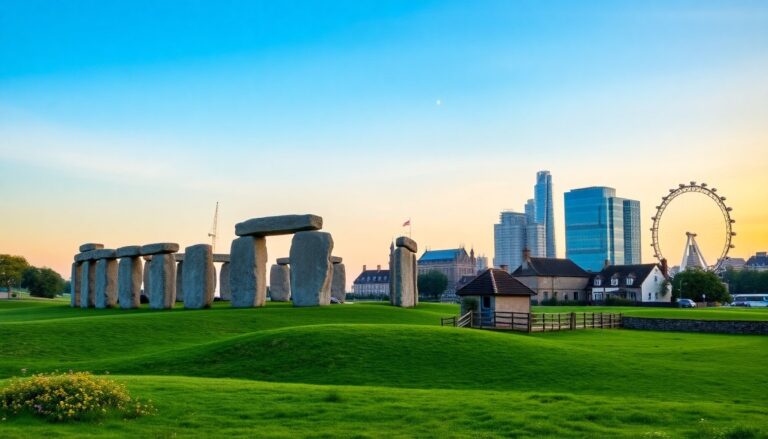
Exploring the rich heritage of the United Kingdom
The United Kingdom, commonly known as the UK, boasts a history filled with cultural richness and diversity. It includes England, Scotland, Wales, and Northern Ireland, forming a vibrant tapestry of traditions, languages, and customs that have developed over centuries.
From the ancient structure of Stonehenge to the bustling streets of London, the UK presents an array of experiences that highlight both its historical significance and contemporary vitality.
This article delves into the UK’s multifaceted heritage, emphasizing its historical impact, cultural diversity, and contributions to global society.
By exploring these facets, we can better appreciate what makes the UK a distinctive and influential nation.
The historical tapestry of the United Kingdom
The history of the United Kingdom is a complex narrative shaped by pivotal events that define its identity.
The Roman conquest in 43 AD brought new infrastructure, governance, and cultural exchanges, laying the groundwork for future development. After the fall of the Roman Empire, the UK faced invasions from the Anglo-Saxons, Vikings, and Normans. Each of these groups left a significant impact on the social and political landscape.
During the Middle Ages, powerful monarchies like the Plantagenets and Tudors emerged, greatly influencing the nation’s governance and culture. The Magna Carta, signed in 1215, marked a crucial turning point by establishing the principle of limited government. This document has had lasting effects on democratic practices around the globe. Additionally, the English Civil War in the 17th century paved the way for the constitutional monarchy, a legacy that remains integral to the UK’s political system today.
The industrial revolution and its impact
The Industrial Revolution marked a pivotal change in the late 18th century, transforming the United Kingdom from an agrarian society into an industrial powerhouse. This transformation not only stimulated economic growth but also prompted significant urban migration, as individuals moved to cities in search of employment. Such demographic shifts catalyzed social movements advocating for workers’ rights, ultimately leading to the establishment of modern labor laws.
This era also witnessed the expansion of the British Empire, which, at its zenith, controlled extensive territories worldwide. The cultural exchanges during this period facilitated the introduction of new ideas, foods, and traditions, many of which continue to shape British society. The legacy of colonialism remains a complex issue, fostering ongoing discussions regarding its implications for both the UK and its former colonies.
Cultural diversity in modern society
The United Kingdom stands out for its cultural diversity. In recent decades, immigration has introduced a multitude of traditions, languages, and cuisines. Cities such as London, Birmingham, and Manchester exemplify this multiculturalism, featuring festivals, art, and music from around the globe.
The UK’s cultural landscape is enriched by influences from Afro-Caribbean, South Asian, and Middle Eastern communities, among others. Events like the Notting Hill Carnival and the Edinburgh Festival Fringe celebrate this diversity, attracting millions of visitors annually. These festivals not only showcase the contributions of various ethnic groups but also promote a sense of unity and celebration within the broader framework of British identity.
Artistic contributions
The arts have been a fundamental element of British culture for centuries. The UK boasts a rich history of influential writers, musicians, and artists. From the timeless works of William Shakespeare to the iconic sounds of bands like The Beatles and The Rolling Stones, British artistry has significantly shaped global culture.
Today, contemporary British artists are redefining creative boundaries and challenging societal norms across various mediums. Institutions such as the Tate Modern and the Royal Shakespeare Company demonstrate the UK’s dedication to fostering talent and preserving its artistic legacy.
The United Kingdom: a nation of resilience and innovation
The United Kingdom is defined by its resilience and innovative spirit. With a rich historical background and a vibrant cultural tapestry, it continually adapts to changing circumstances. As the world faces new challenges, the UK’s ability to draw on its diverse heritage will play a crucial role in shaping its future.
Understanding the United Kingdom’s heritage and culture is vital for appreciating its current position on the global stage. From significant historical milestones to contemporary cultural expressions, the UK exemplifies how history and diversity contribute to a nation’s unique identity.
