

Hamas Expresses Willingness to Negotiate, Indicating Potential for Peace in Gaza
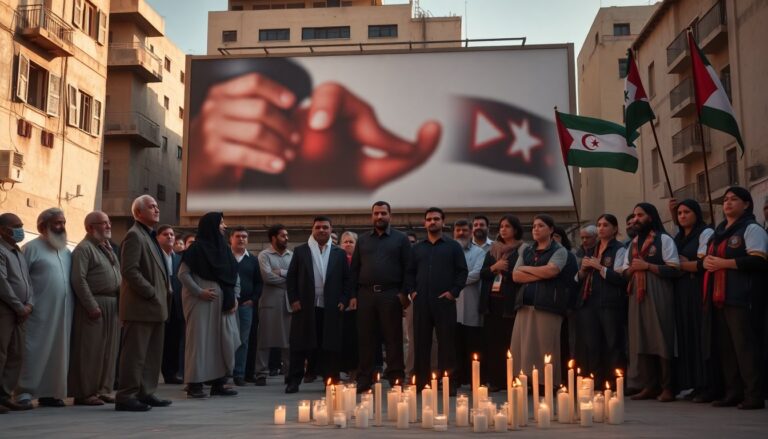
In a significant development in the ongoing conflict in Gaza, Hamas has announced its intention to release all Israeli hostages and the remains of deceased individuals. This move aligns with Donald Trump’s proposed peace plan for the region, following a stern warning from the U.S.
President about severe consequences for Hamas if they did not comply with his peace initiative.
Earlier this week, Trump met with Israeli Prime Minister Benjamin Netanyahu at the White House. They discussed strategies for establishing a lasting peace in Gaza.
The pressure from the United States appears to be a significant factor influencing Hamas’s recent decision.
Details of the agreement
In their statement, Hamas indicated a willingness to adhere to the terms outlined in Trump’s peace plan, which includes the release of all Israeli captives.
The group also expressed readiness to transfer control of Gaza’s administration to an independent coalition of Palestinian professionals. This coalition would operate on the basis of national unity and support from the Arab and Islamic communities.
Trump’s response and expectations
Following Hamas’s announcement, Trump expressed optimism about the group’s intentions on his social media platform. He stated, “Based on the statement just issued by Hamas, I believe they are ready for a lasting peace.” He further urged Israel to cease its military actions in Gaza to facilitate the release of hostages.
Despite this apparent progress, Hamas rejected Trump’s suggestion to establish a ‘Board of Peace’ to oversee the governance of Gaza. This board would include notable figures such as former British Prime Minister Tony Blair. Hamas leader Mousa Abu Marzouk made it clear that they would not accept anyone outside the Palestinian community to lead their affairs, citing Blair’s controversial role in the Iraq conflict.
Challenges and further negotiations
Hamas also expressed its commitment to further discussions regarding the broader aspects of Trump’s 20-point peace proposal. They emphasized the need for a comprehensive Palestinian national framework that would allow them to responsibly engage in the peace process. This highlights the group’s desire to maintain a degree of autonomy despite external pressures.
Hostage situation and ongoing tensions
It is estimated that 20 Israeli hostages remain in Hamas’s custody, along with the remains of 28 individuals that have not yet been returned to their families since the attacks on October 7. Hamas’s recent statement came shortly after Trump reiterated his demand for the group to accept his peace proposal, setting a deadline for compliance.
Trump’s previous comments on the situation have been firm, characterizing Hamas as a persistent threat in the region that has caused immense suffering. He condemned the attacks on October 7 as brutal acts that affected innocent lives across various demographics.
Future implications
The White House has released a detailed plan aimed at enhancing humanitarian aid to Gaza, alongside economic initiatives designed to promote development within the territory. However, Hamas remains resistant to disarmament, insisting on the necessity of retaining defensive capabilities amid ongoing regional tensions.
There are indications that Hamas is open to the idea of handing over offensive weapons to international bodies like Egypt and the United Nations for safekeeping. This signals a potential compromise in the disarmament dialogue. They have also reiterated their demand for a timeline regarding Israel’s withdrawal from Gaza, further complicating discussions.
Earlier this week, Trump met with Israeli Prime Minister Benjamin Netanyahu at the White House. They discussed strategies for establishing a lasting peace in Gaza. The pressure from the United States appears to be a significant factor influencing Hamas’s recent decision.0
