

Breast Cancer Screening: Essential for Women Over 50 for Early Detection Breast cancer screening is crucial for women aged 50 and above, as it plays a key role in the early detection of potential health issues. Regular screenings can significantly increase the chances of successful treatment and improve overall outcomes. Prioritizing breast health through timely screenings is an important step in ensuring women's health and well-being.
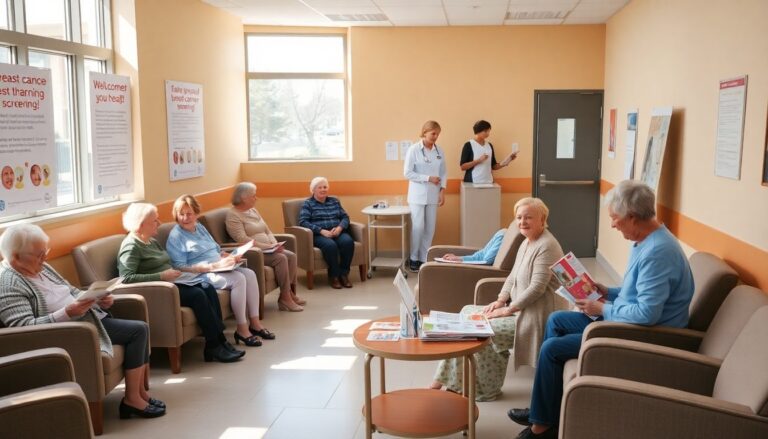
In the UK, women aged 50 and older are strongly encouraged to participate in regular breast cancer screenings. This initiative aims to detect breast cancer early, often before any noticeable symptoms arise. According to Cancer Research UK, breast cancer is the most commonly diagnosed cancer in the country, with approximately 56,900 new cases identified each year.
Understanding the significance of these screenings can be life-changing. Early detection has been proven to improve outcomes, allowing for more effective treatments and higher survival rates. Each year, breast cancer accounts for around 11,200 deaths, making it the fourth leading cause of cancer-related fatalities in the UK.
The screening process and its implications
The National Health Service (NHS) emphasizes that regular breast screenings can detect cancers that are not palpable or visible through self-examinations. Women in the specified age group are invited to receive a screening every three years until they reach the age of 71.
This proactive approach is crucial in the fight against breast cancer.
How to ensure you receive your screening
If women do not receive an invitation for breast screening by the time they turn 53, it is important to contact their local breast screening service. The screenings utilize mammograms, which are X-ray images specifically designed to identify tiny cancers that may not be physically noticeable.
Understanding eligibility and inclusivity in screening
It is important to recognize that while breast cancer is primarily associated with women, it can also affect men, with approximately 390 new male cases diagnosed annually. For individuals identifying as trans men, trans women, or non-binary, screening invitations depend on the registered sex with their general practitioner (GP). Those registered as female will automatically receive invitations, while those registered as male will not.
What to do if you notice symptoms
While screenings are critical, individuals should not rely solely on them for breast health. The NHS advises anyone experiencing potential breast cancer symptoms to seek guidance from their GP, even if they have recently had a clear screening result. Symptoms can include:
- A lump in the breast or armpit
- Changes in the size or shape of the breast
- Unusual discharge from the nipple
- Changes in the skin texture or appearance of the breast
For men, symptoms can be similar, including lumps or changes in their breast tissue. Staying vigilant and conducting regular self-examinations is crucial for both genders.
The importance of self-examination
The NHS highlights the significance of regular self-checks. Familiarizing oneself with the normal appearance and feel of their breasts makes it easier to detect any changes that may occur. It’s advisable to perform self-exams on a monthly basis to stay aware of personal health.
Breast cancer screening is a vital health measure for women over 50 in the UK. By understanding the process, recognizing symptoms, and actively participating in regular screenings, individuals can take significant steps toward ensuring their health and well-being. Early detection truly can save lives, and everyone should be proactive about their breast health.
