

Understanding the Impact of Incidents on Public Perception and Behavior Incidents have the potential to significantly influence public perception and behavior. Whether through media coverage, social media discourse, or community responses, the effects of such events can shape opinions, drive social change, and alter individual actions. Engaging with these dynamics is crucial for effectively managing public relations and fostering positive community engagement.
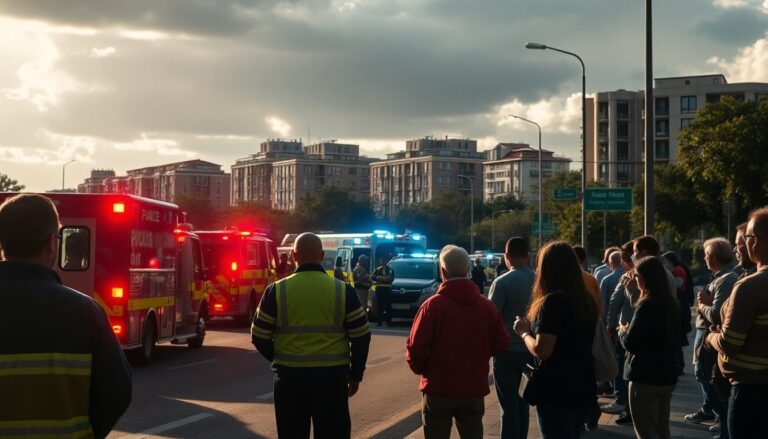
Incidents, whether they are accidents, crimes, or natural disasters, significantly impact public perception and behavior. They can alter how communities perceive safety, trust in authorities, and even influence political landscapes. Understanding these dynamics is crucial for those involved in public relations, crisis management, or social research.
The facts
The media plays a pivotal role in shaping public perception of incidents. News outlets often serve as the primary source of information during such events. The manner in which these events are reported can significantly influence public opinion.
For instance, sensationalized reporting can lead to heightened fear and anxiety among the populace.
Media framing and its effects
Media framing refers to how information is presented to the audience. Different frames can evoke varying emotions and responses. Reporting an incident as a failure of public safety systems can incite public outrage and demands for reform.
Conversely, framing it as an isolated event may alleviate public fear and enhance a sense of security.
Public reaction and behavioral changes
Incidents can prompt immediate behavioral changes among the public. After a significant event, individuals often reassess their daily activities and routines. For example, following a high-profile crime, people may avoid certain areas or modify their travel patterns due to perceived risks. This behavioral shift can have long-lasting effects, influencing urban development and law enforcement practices.
Fear and community response
Fear is a natural response to incidents. However, the intensity of that fear can vary based on the nature of the incident and the media coverage it receives. In some instances, communities may unite in support of one another, fostering increased solidarity and collective action. Conversely, excessive fear can lead to panic and irrational behavior, such as stigmatizing specific groups or individuals.
Long-term implications of incidents
Beyond immediate reactions, incidents can shape long-term perceptions and policies. A major incident may prompt legislative changes or public policy adjustments aimed at preventing similar occurrences in the future. This can include stricter regulations, increased funding for safety measures, or community outreach programs designed to educate the public.
Policy changes and public trust
The response of authorities to an incident can significantly affect public trust. Transparent communication and effective action can enhance trust, while perceived negligence can undermine it. This trust is essential when communities confront future incidents, influencing public cooperation and compliance with safety measures.
The interplay between incidents and public perception is complex and multifaceted. Media representation, community reactions, and long-term implications all contribute to shaping how incidents are understood and responded to. For professionals in crisis management, grasping these dynamics is essential for developing effective communication strategies and fostering resilient communities.
